Human Resources Overview
flowchart TD
    CEO[Chief Executive Officer  CEO]

    subgraph D1[Design Department]
        direction LR
        DH[Head of Design]
        DH --> UXD[UX/UI Designer]
        DH --> GD[Graphic Designer]
        DH --> VD[Videographer / Photographer]
    end

    subgraph D2[Business Department]
        direction LR
        BH[Head of Operations  or COO]
        BH --> MKT[Marketing Manager]
        BH --> ST[Strategy & Operations]
        BH --> FIN[Finance & Legal]

        MKT --> M1[Marketing Specialist]
        ST --> PO[Product Owner]
        ST --> SM[Scrum Master]
        FIN --> ACC[Accountant]
        FIN --> LGL[Legal Counsel]
    end

    subgraph D3[Technology Department]
        direction LR
        CTO[Chief Technology Officer  CTO]
        CTO --> TL[Tech Lead]
        TL --> FE[Frontend Engineers]
        TL --> BE[Backend Engineers]
        TL --> QAE[QA Engineers]
        TL --> DE[DevOps Engineer]
    end

    CEO --> DH
    CEO --> BH
    CEO --> CTO
image.webp)
Recruitment and Hiring
The HR department is responsible for attracting and hiring talented individuals for various roles in the agency, such as web designers, developers, content writers, and project managers. This process involves creating job descriptions, advertising vacancies, screening resumes, conducting interviews, and selecting candidates.
Onboarding and Orientation
Once new employees are hired, HR oversees their onboarding process. This includes introducing them to the agency's culture, policies, and procedures, providing necessary training and resources, and ensuring a smooth transition into their roles.
Performance Management
HR plays a crucial role in managing employee performance. This process involves setting performance goals and expectations, conducting regular performance evaluations, providing feedback and coaching, and recognizing and rewarding high-performing employees. HR may also develop performance improvement plans or handle disciplinary actions when necessary. Establishing clear performance expectations, setting goals, and regularly assessing and providing feedback on employee performance. Performance management may also include performance appraisals, performance improvement plans, and recognition programs.
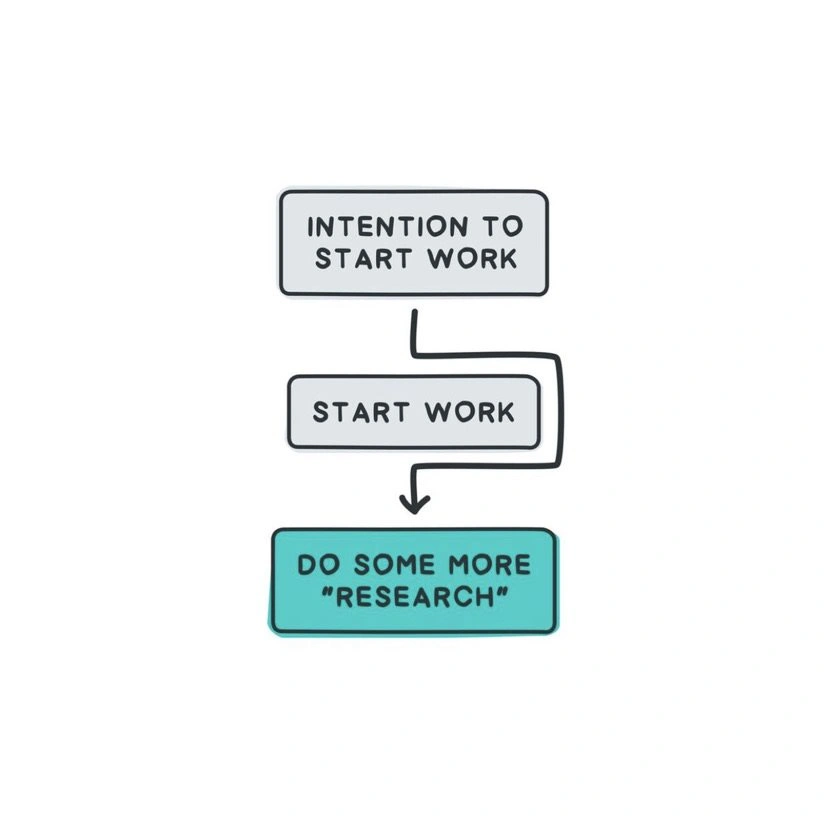
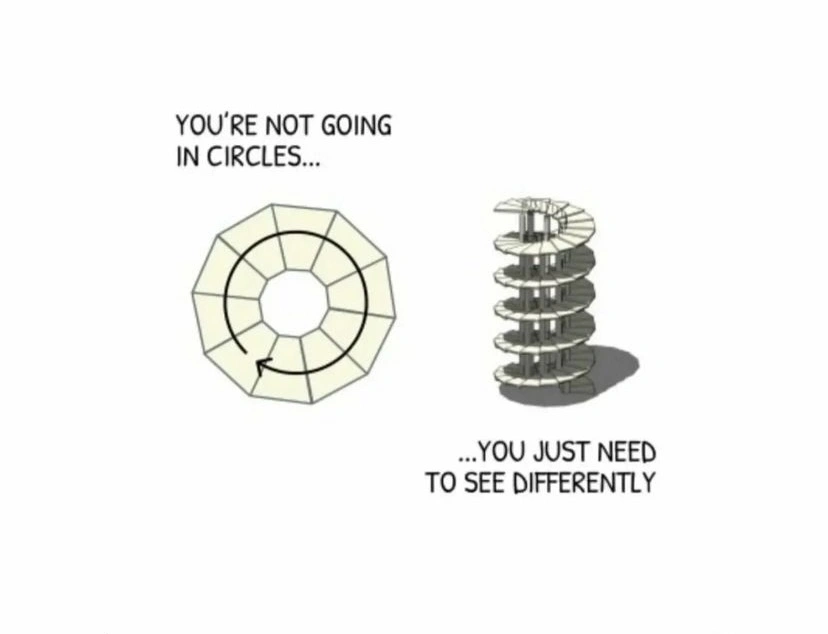
Analysis Paralysis
Training and Development
Web agencies often emphasize continuous learning and development to stay updated with the latest industry trends and technologies. HR facilitates training programs, workshops, and conferences to enhance employees' skills and knowledge. They may also encourage employees to pursue certifications or external training opportunities.
Compensation and Benefits
HR manages the agency's compensation and benefits programs. This includes determining salaries and bonuses, administering employee benefits such as health insurance, retirement plans, and leave policies, and ensuring compliance with labor laws and regulations. Designing and implementing fair and competitive compensation structures, including salary, bonuses, incentives, and benefits packages. This involves ensuring that employees are appropriately rewarded for their contributions and that compensation aligns with market standards.
Employee Relations
HR serves as a mediator between employees and management, addressing concerns, conflicts, and grievances. They promote a positive work environment, foster employee engagement and satisfaction, and organize team-building activities or events.
Policy Development and Compliance
HR develops and implements HR policies and procedures that align with legal requirements and best practices. They ensure compliance with employment laws, data protection regulations, and diversity and inclusion initiatives. HR may also handle employee contracts, confidentiality agreements, and other legal documentation.
Employee Offboarding
When employees leave the agency, HR manages the offboarding process. This includes conducting exit interviews, collecting company property, terminating access to systems and data, and handling necessary paperwork such as final paychecks and benefits.
Employee Well-being
HR promotes employee well-being initiatives to support the physical and mental health of the workforce. This may include wellness programs, employee assistance programs, flexible working arrangements, and work-life balance initiatives.
*HR Systems and Recordkeeping
HR utilizes HR information systems (HRIS) to manage employee data, maintain records, and generate reports. These systems streamline processes such as payroll, attendance tracking, performance evaluations, and employee self-service portals.
It's important to note that the specific HR processes and their implementation may vary depending on the size, structure, and culture of the web agency.
Industrial-Organizational (I-O) Psychology
This field is the scientific study of human behavior in the workplace and is dedicated to improving the well-being and performance of both organizations and their employees.
Here are some key corporate and psychological terms relevant to an entrepreneur building a business:
For Hiring and Team Building
- Job Analysis: The systematic process of gathering information about a job, including the knowledge, skills, abilities, and other characteristics (KSAOs) required to perform it successfully. For your business, this would involve clearly defining the KSAOs for a new web developer, a marketing specialist, or a sales representative.
- Structured Interview: As mentioned previously, this is a standardized process where all candidates are asked the same set of pre-determined, job-related questions. This is a core I-O psychology principle designed to reduce bias and improve the predictive validity of hiring decisions.
- Psychological Assessment: A formal evaluation of a candidate's cognitive abilities, personality traits (e.g., using the Big Five personality model), or interests. These are used to provide an objective, data-driven complement to interviews.
- Person-Job Fit ($P-J$ Fit): The degree to which a person's KSAOs align with the requirements of a specific job.
- Person-Organization Fit ($P-O$ Fit): The degree to which a person's values, personality, and goals align with the culture, values, and goals of the organization. As an entrepreneur, this is a critical concept, especially when hiring early team members and co-founders.
For Team Dynamics and Culture
- Psychological Safety: The shared belief held by team members that the team is safe for interpersonal risk-taking. In an agile environment, this is crucial for enabling team members to speak up about blockers, suggest improvements, and admit to mistakes without fear of retribution.
- Organizational Citizenship Behavior (OCB): Voluntary behaviors that contribute to the social and psychological environment of the organization, such as helping coworkers, going above and beyond normal duties, and being a positive influence. Fostering OCB is a sign of a healthy, engaged team.
- Affective Commitment: An employee's emotional attachment to, identification with, and involvement in the organization. It's the "want to" stay rather than the "have to" stay. High affective commitment is what every entrepreneur strives for as it leads to lower turnover and higher engagement.
- Organizational Climate: The shared perceptions of employees about the policies, practices, and procedures of an organization. This is distinct from organizational culture, which is more about the fundamental values and beliefs. An entrepreneur's daily actions and decisions directly shape the organizational climate.
For Leadership and Performance
- Emotional Intelligence (EQ): The ability to perceive, use, understand, and manage emotions. For a leader, this involves self-awareness, self-regulation, social awareness (empathy), and relationship management.
- Change Management: The process, tools, and techniques to manage the people-side of change to achieve the required business outcomes. For an entrepreneur, every pivot or new process (like implementing SAFe principles) requires effective change management to get team buy-in.
- Performance Management: The process of creating a work environment in which people are enabled to perform to the best of their abilities. It involves setting goals, providing regular feedback, and a structured review process. The feedback loops inherent in SCRUM are a great example of an ongoing performance management system.
- Occupational Stress: The psychological and physiological response to a perceived imbalance between demands and resources. An entrepreneur's role is to minimize unnecessary stress by providing clear direction, psychological safety, and the resources needed to get the job done.