Customer Journey
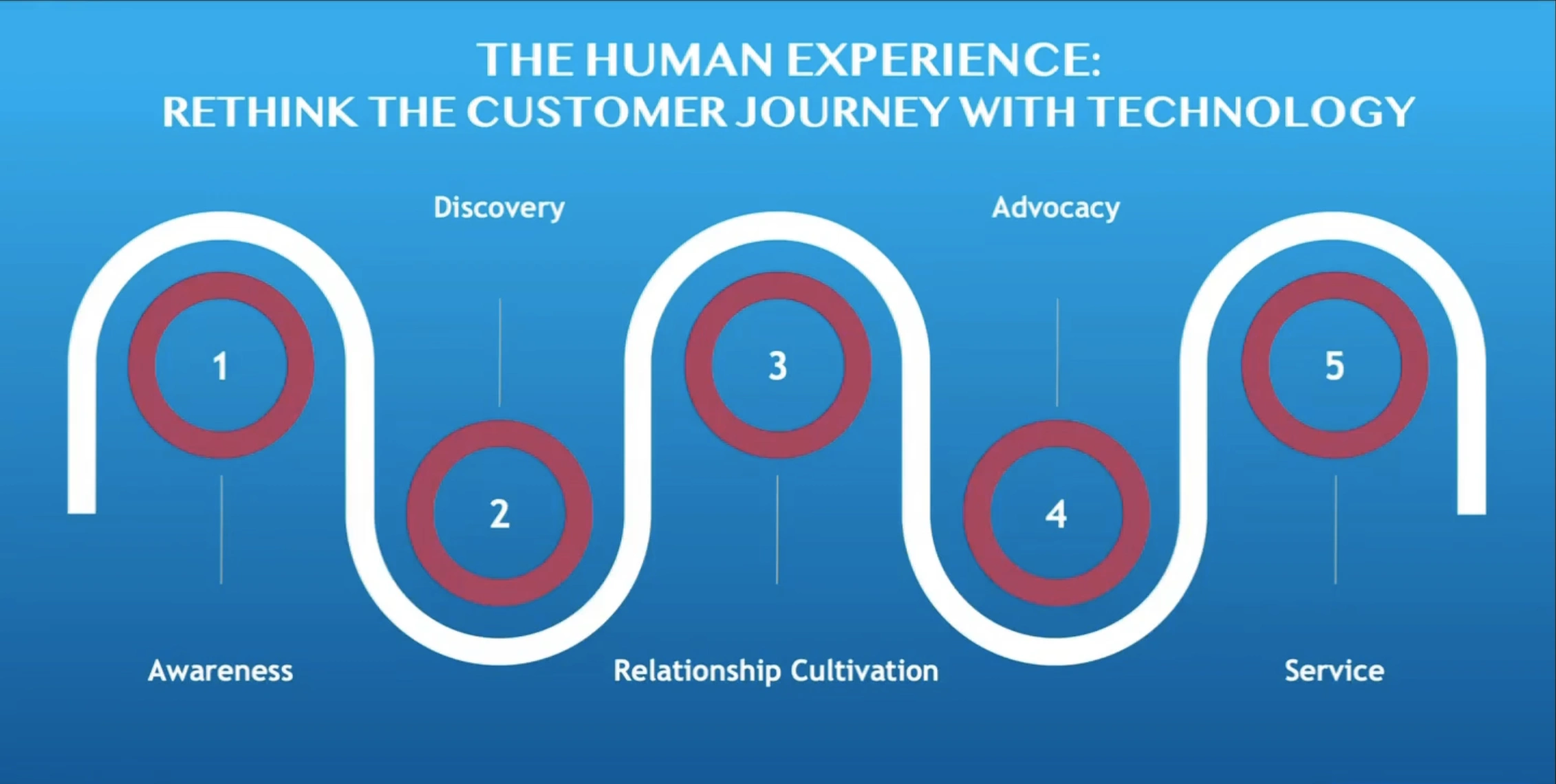
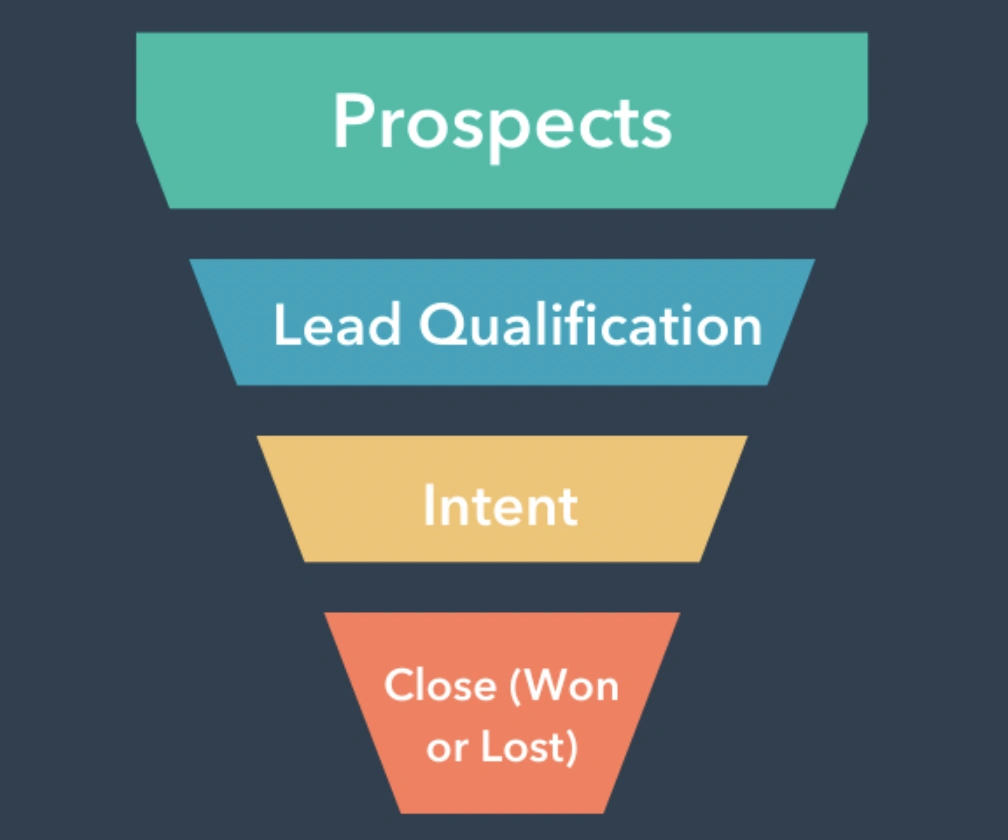
The Customer Journey is essentially the modern, non-linear evolution of the Sales Funnel. While a traditional Sales Funnel is a rigid, top-down process (Awareness → Consideration → Decision), the Customer Journey recognizes that buyers might jump back and forth between stages. In your agile firm, mapping the journey helps identify "leakage points" where potential sales are lost due to technical bugs or poor copy.
The customer journey is the process that a customer goes through when interacting with a brand, from their initial awareness of the brand to their eventual purchase and beyond. It includes all touchpoints a customer has with a brand, such as advertising, social media, customer service, and more. The customer journey typically includes the following stages:
Awareness: This is the stage where a potential customer becomes aware of your brand or product. This can happen through advertising, social media, word-of-mouth, or other forms of marketing.
Consideration: At this stage, the potential customer is evaluating your product or service and comparing it to competitors. They may research your brand online, read customer reviews, or seek out recommendations from friends and family.
Decision: In the decision stage, the customer has decided to purchase your product or service. This can involve placing an order, signing a contract, or taking some other action that results in a sale.
Post-purchase: After the sale is made, the post-purchase stage is where you focus on keeping the customer engaged and satisfied. This can involve follow-up emails, customer service, and other efforts to build a long-term relationship with the customer.
Loyalty: The final stage of the customer journey is loyalty, where satisfied customers become advocates for your brand. They may leave positive reviews, refer friends and family, or share your content on social media.
By understanding the customer journey and optimizing each stage of the process, you can create a positive and consistent experience for your customers and increase the likelihood of converting potential customers into loyal customers.
User Journey vs. Customer Journey
In the intersection of UX design and digital marketing, these terms are often used interchangeably. The primary difference lies in scope and intent.
- User Journey (UX Focus): This is tactical and product-specific. It maps the sequence of steps a person takes within your web application or site to achieve a specific goal (e.g., "Resetting a password" or "Filtering a product list"). It focuses on usability, friction, and the digital interface.
- Customer Journey (Marketing Focus): This is strategic and brand-specific. It encompasses the entire relationship a person has with a brand, often starting before they even visit your site (e.g., seeing a LinkedIn ad) and continuing after they leave (e.g., receiving a post-purchase email). It focuses on touchpoints, emotions, and brand loyalty.
Which is more widely recognized? In the broader business and marketing world, Customer Journey is the standard. However, in the trenches of software development and UI/UX design, User Journey (or User Flow) is the dominant term. As a studio owner, you’ll likely use "Customer Journey" when talking to the client about their ROI and "User Journey" when briefing your dev team on functionality.
Nuances: Design vs. Marketing
Since you are context-switching between dev and copywriting, use this framework to separate your headspace:
| Feature | Design/Dev Journey Nuance | Marketing/Copy Journey Nuance |
|---|---|---|
| Primary Goal | Efficiency: How fast can they finish the task? | Persuasion: Why should they care about this? |
| Focus | Functionality, navigation, and logic. | Emotion, value proposition, and brand voice. |
| Copy Type | Microcopy: Labels, error messages, tooltips. | Macrocopy: Headlines, storytelling, CTAs. |
| Success Metric | Low bounce rate, high task completion. | Conversion rate, Lifetime Value (LTV). |
4. How to Handle the "Copywriting Context Switch"
When you are writing copy for your web projects, ask yourself which "mode" the current page requires:
- The Marketer’s Hat (Landing Pages/Home): You are mapping the Customer Journey. The copy needs to be punchy and benefit-driven. Focus on the "Awareness" and "Consideration" stages. Use "hooks" that address the customer's pain points.
- The Designer’s Hat (Dashboards/Checkout/Forms): You are mapping the User Journey. The copy needs to be invisible and helpful. Focus on the "Action" stage. Use clear, instructional language to ensure the user doesn't get frustrated.
A Practical Tip for Your Studio
When building out your site maps, try labeling pages by their Journey Stage rather than just their title. Instead of "Services Page," call it "Consideration Stage: Expert Authority." Instead of "Contact Form," call it "Conversion Stage: Reducing Friction." This helps keep your copy aligned with the user's mental state at that exact moment.