Digital Marketing and PR Book
INTERNAL USE ONLY
for a Tech Firm Focused on Software Engineering, Business Development, and Design
You already are a Marketing Expert
- over your lifetime you've been involved in 1,000s of Buy Decisions. Possibly you've been involved in selling decisions, too.
- Marketing is not easy
Table of Contents
- Creative Agency
- Marketing Channels
- Portfolio
- Tools For Marketing
- Evangelist
- Define Marketing Goals
- Questions to Help Find Customers
Glossary of Marketing Terms
| Terms | Defintion |
|---|---|
| "Synergy." | collaboration or cooperation. |
| "Paradigm shift." | Revolutionary change |
| "Low-hanging fruit." | Easy or obvious solutions are preferable to more challenging or innovative ones. |
| High-Friction Actions: | They require a significant commitment from the user. examples of high-friction CTAs, 'Book Meeting' you're asking them to open their calendar and schedule a time and place with a stranger or to fill out a lengthy form. |
| Conversion Rate Optimization (CRO) | Analyzing user behavior, optimizing landing pages, implementing AB testing, and improving the overall user experience can lead to higher conversion rates and increased sales. |
| Digital Marketing Campaigns | various strategies such as search engine marketing (SEM), display advertising, email marketing, and remarketing. These campaigns can generate leads, increase website traffic, and ultimately drive conversions for their business. |
| Go-To-Market Strategy | The sales channels, marketing approach, and pricing strategy to position your offering to reach your target audience effectively. |
| Company Size | 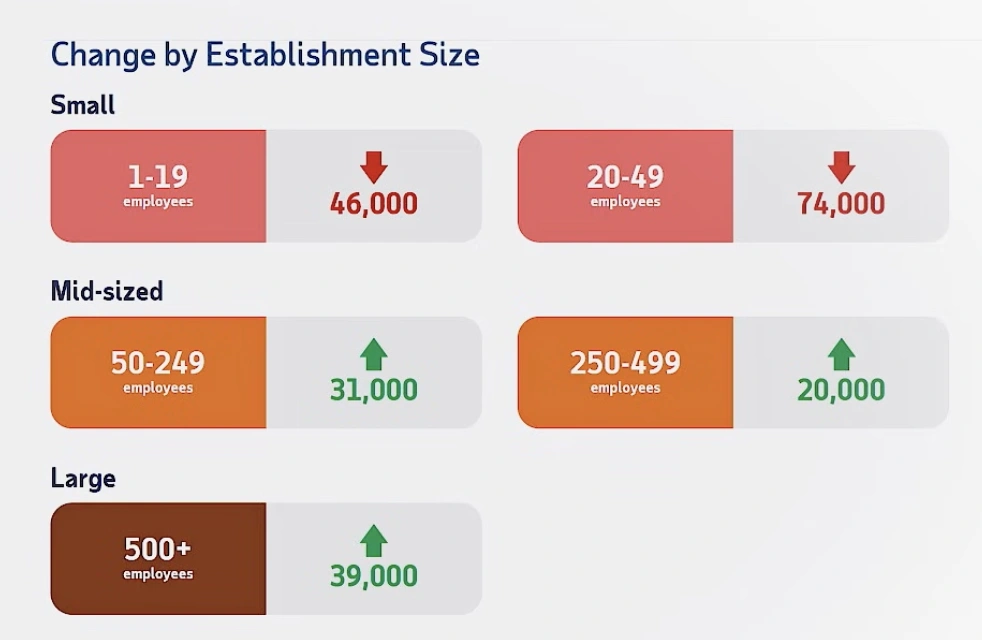 |
| Market Size | Top-down analysis: determining the total market using demographic data and then estimating your share of the market. Bottom-up analysis: estimating potential sales using calculations in order to arrive at a total sales |
| Total Available Market (TAM) | TAM, or Total Available Market, refers to the total market demand for a product or service. VCs like huge market sizes. it is an indicator of product-market fit. the calculation of the maximum size of the market demand for your product or service. it helps you understand the scope and urgency of the problem your startup is solving. |
| Serviceable Available Market (SAM) | SAM, or Serviceable Available Market, is the section of the TAM that your product or service intends to target (they are within reach). How many customers is my business able to attract? |
| Share of Market (SOM) | SOM, or Share of Market, is the portion of the SAM that your company is realistically likely to reach. |
| Marketing Program | A marketing program is a plan that integrates the marketing mix to provide a good, service, or idea to prospective buyers. |
| Target Markets | A target market consists ofone or more specific groups of potential consumers toward which an organization directs its marketing program. |
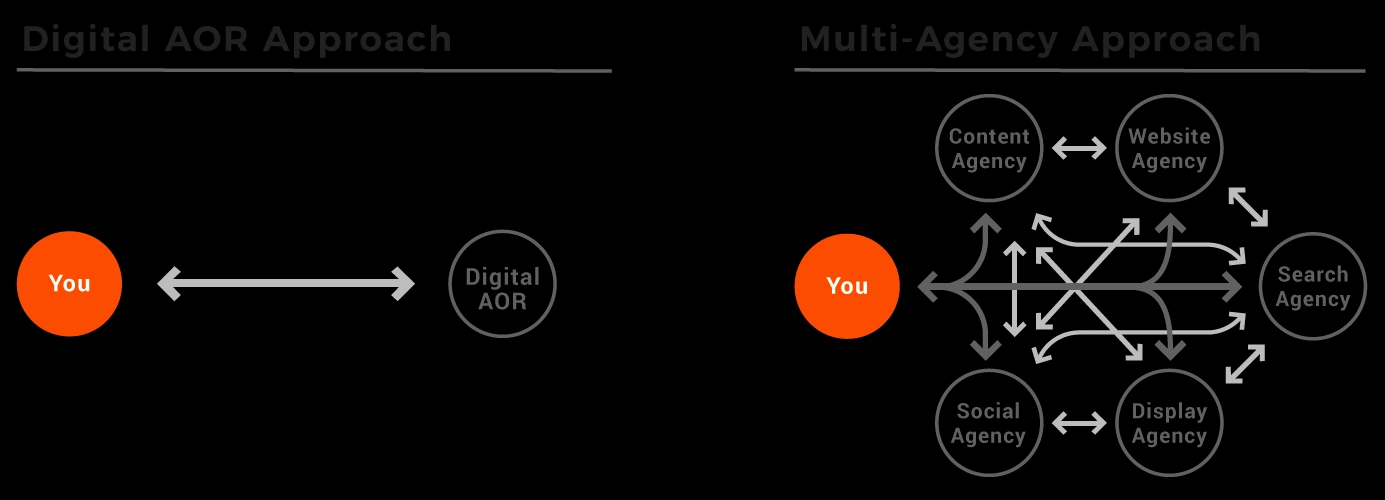
| agency of record (AOR) | In the world of marketing and advertising, Agency of Record (AOR) was typically understood to mean a single agency responsible for all the services that a particular business might require. These services traditionally included brand strategy, creative and media placement, but today, can include a mix of other services as well, such as interactive media, web development services and digital marketing. |
| Affiliate Marketing | |
| Buyer Intent Journey Mapping | |
| Anchoring bias | Anchoring bias refers to our tendency to rely heavily on the first piece of information we receive when making decisions. Businesses can use this bias to their advantage by strategically setting the initial reference point for customers. |
| Budget | A detailed budget that outlines the marketing agency's expected expenses for each marketing tactic, as well as the expected return on investment. |
| Click Thru Rate (CTR) | |
| Contingency Plan | A plan for adjusting the marketing strategy if the results do not meet the agency's expectations |
| Evaluation | A plan for measuring the success of the marketing initiatives, including metrics such as website traffic, social media engagement, and lead generation. |
| Executive Summary | A brief overview of the marketing agency's objectives, target audience, and key strategies. |
| Inbound Demand Generation | |
| STET | Don't do anything. let it stand (used as an instruction on a printed proof to indicate that a correction or alteration should be ignored). |
| for placement only | a label for anything that may not be final |
| ROAS (Return on Ad Spend) | a common ROAS benchmark is a 4:1 ratio, or $4 revenue for every $1 in ad spend. |
| Lead to Customer Rate | What percentage of your leads turn into Customers? |
| Average Sale Price | On average, how valuable is a single customer? |
| Lumpy mail | Lumpy mail is a term used to describe direct marketing mailers that stand out from normal, flat letter, flyer or postcard because of an additional object included to make it ‘lumpy’. |
| marketing qualified leads (MQLs) | A Marketing Qualified Lead is a prospect who has demonstrated measurable engagement with your marketing assets -- enough to indicate potential buying interest -- but still requires sales qualification before being treated as an opportunity. |
| Sales Qualified Leads (SQLs) | The prospect signals they want to explore solutions, not just information. |
| cost per lead (CPLs) | |
| Scarcity bias | Scarcity bias refers to our tendency to place a higher value on things that are limited in availability driving customer demand and urgency |
| Framing bias | Framing bias which involves how the way information is presented can significantly impact the perception of value and decision-making. how businesses can frame their products or offers to influence customer perceptions and choices |
| Priming bias | Priming bias suggests that exposure to certain stimuli can influence subsequent behavior how businesses can use priming techniques to shape customer preferences and increase the likelihood of purchase |
| Defaults bias | Defaults bias refers to our tendency to stick with the default option when making choices how businesses can strategically set default options to guide customer decisions |
| Nudge Marketing | a strategy that uses psychological biases, and subtle or direct prompts to encourage people to purchase |
| brand awareness | Introduce the company's products and services to it's target audiences, increasing visibiliting and driving interest in the company's services. Leverage social media platforms (e.g., LinkedIn, X) to amplify brand messaging. Craft compelling press releases announcing product launches, partnerships, or milestones. An increase in direct traffic and branded searches is the purest marker of brand awareness growth. |
| Situation Analysis | An analysis of the current market trends, competition, and opportunities for the marketing agency |
| Social Proof | Social proof bias suggests that people are more likely to adopt a particular behavior if they see others doing the same how businesses can leverage social proof to build trust and influence customer choices |
| Strategy | A comprehensive marketing strategy that outlines the tactics the agency will use to achieve its objectives, such as social media marketing, content marketing, email marketing, or event marketing |
| Target Audience | A detailed description of the target audience, including demographics, psychographics, and behavior patterns |
| Implementation | A timeline and action plan for implementing the marketing tactics outlined in the strategy |
| Customer Value | Customer value is the unique combination of benefits received by targeted buyers that includes quality, convenience, on-time delivery, and both before-sale and after-sale service at aspecific price |
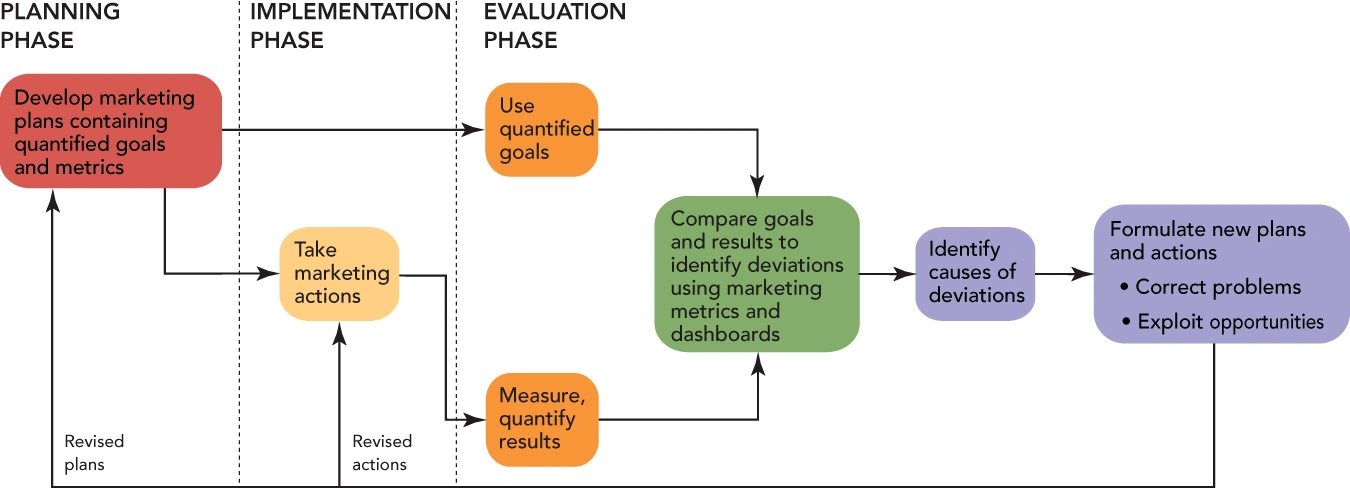
Marketing aims to discover the needs and wants of customers and then satisfy them
DoubleStack Web Agency youtube Channel
- Sales: Identifies, qualifies, and closes deals with potential customers. Includes sales development representatives (SDRs), account executives, sales managers.
- Marketing: Drives brand awareness, generates leads, and supports sales efforts. Includes content marketers, demand generation specialists, social media marketers, SEO specialists. Marketing is entertainment
BUILDING A BRAND ISN'T ABOUT HAVING A PERFECT AESTHETIC OR AN INSTAGRAM FEED THAT LOOKS LIKE AN ART GALLERY. IT'S ABOUT BUILDING A COMMUNITY THAT SHOWS UP BECAUSE OF THE VALUE YOU BRING
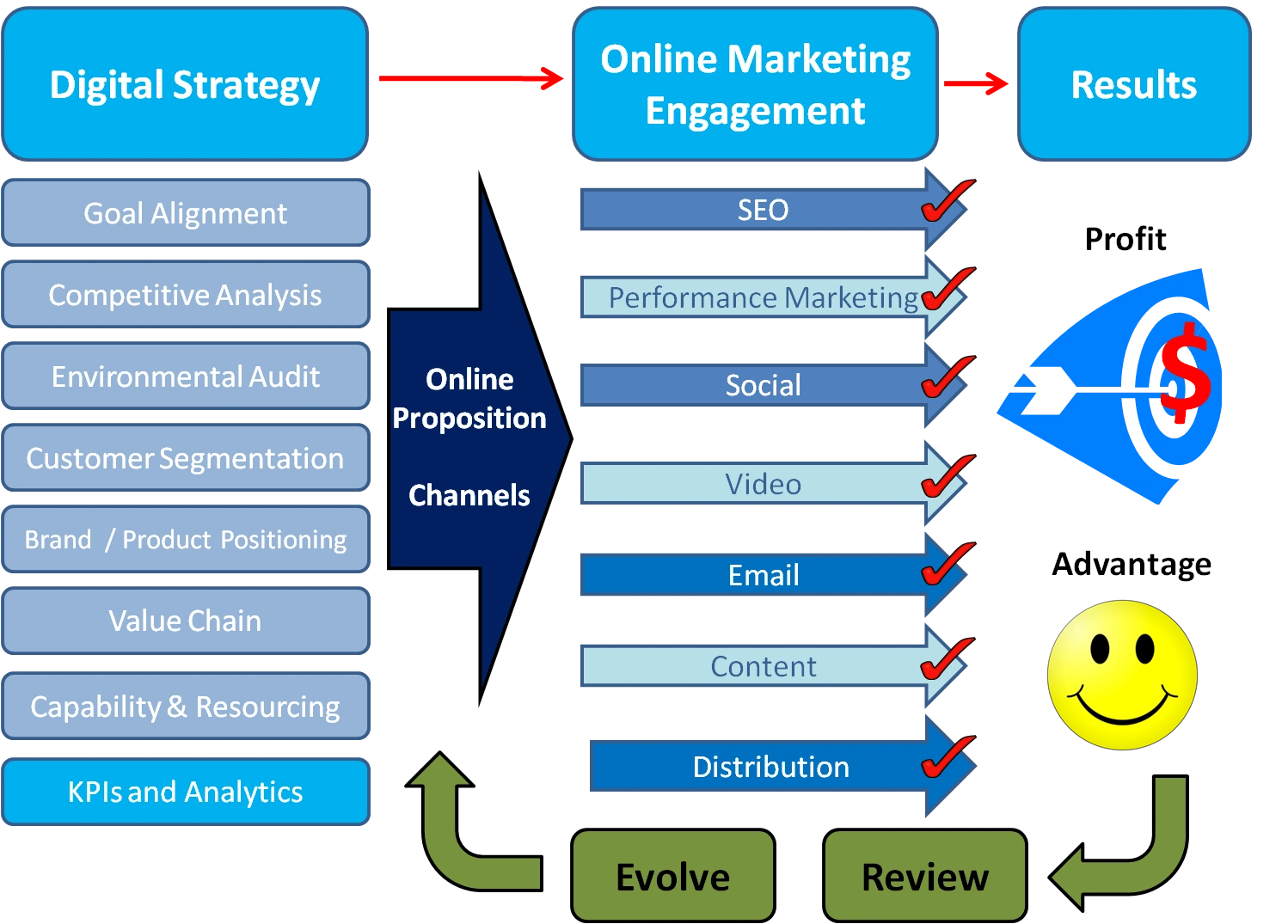
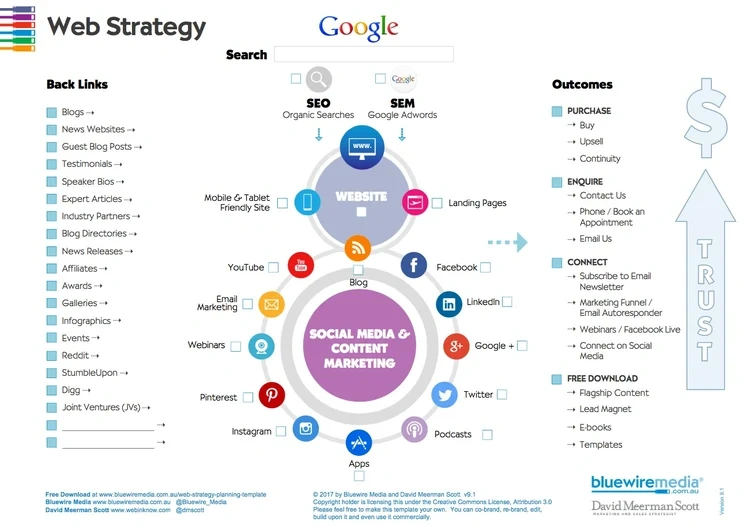
Definition of Firmographics
In the context of B2B marketing and organizational strategy -- much like the data you likely leverage for your digital marketing studio -- firmographics are the descriptive attributes of organizations used to segment and profile businesses.
Just as demographics categorize individual consumers (age, gender, income), firmographics categorize entities. They are essential for Lead Scoring, Ideal Customer Profile (ICP) development, and Account-Based Marketing (ABM).
Common firmographic variables include:
- Industry/Vertical: (e.g., SaaS, Healthcare, FinTech).
- Location: Geographic headquarters or regional presence.
- Size: Measured by employee headcount or annual revenue.
- Structure: Public vs. private, parent company vs. subsidiary, or franchise.
- Performance: Growth rate, profitability, or market share.
- Technographics: The specific tech stack an organization uses (highly relevant for front-end development and agile firms).
Etymology
The word firmographics is a portmanteau -- a linguistic blend of two distinct terms:
- Firm: Derived from the Middle English ferme, which came from the Old French ferme (a fixed payment/lease). This originates from the Latin firmare (to make firm, strengthen, or confirm). In a business sense, it refers to a 'signature' or 'seal' used to ratify a document, eventually evolving to mean the business entity itself.
- -graphics: Derived from the Greek graphikos (pertaining to drawing or writing) and graphein (to write). In modern English, this suffix denotes a field of study or a method of representing data (e.g., demographics, psychographics).
The term gained prominence in the late 20th century as data-driven marketing moved beyond individual consumer targeting into complex business-to-business environments.
Comparison Table: Demographics vs. Firmographics
| Attribute | Demographics (B2C) | Firmographics (B2B) |
|---|---|---|
| Subject | Individuals/Households | Corporations/LLCs/Non-profits |
| Key Metric | Age, Gender, Income | Revenue, Headcount, Industry |
| Decision Maker | The Individual | Stakeholders/C-Suite/Agile Teams |
| Buying Cycle | Usually Short | Long and Complex |

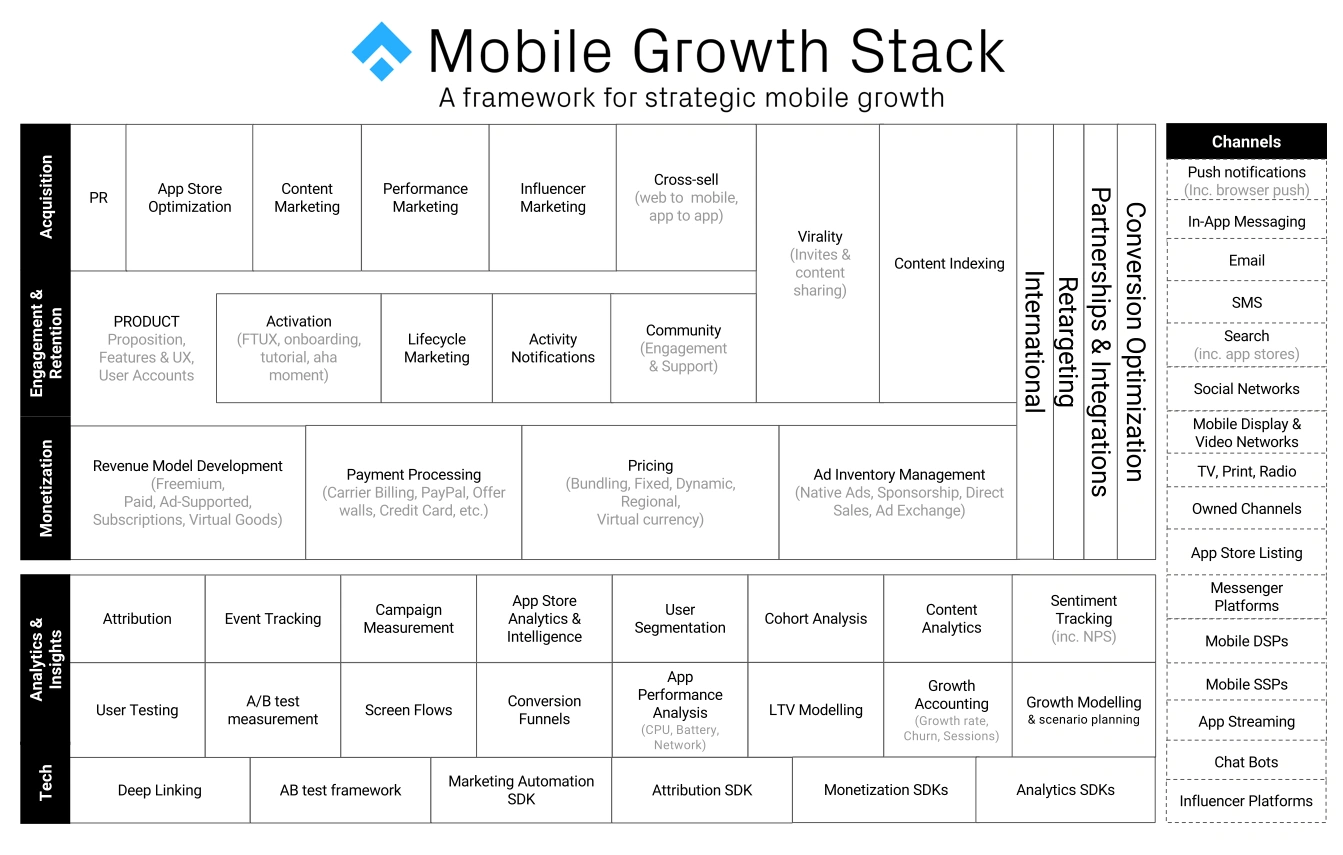
- behavioral flow analyses and funnel visualizations
Creative Agency
Build then market.com we build websites, mobile apps, and content then we market your product across all channels
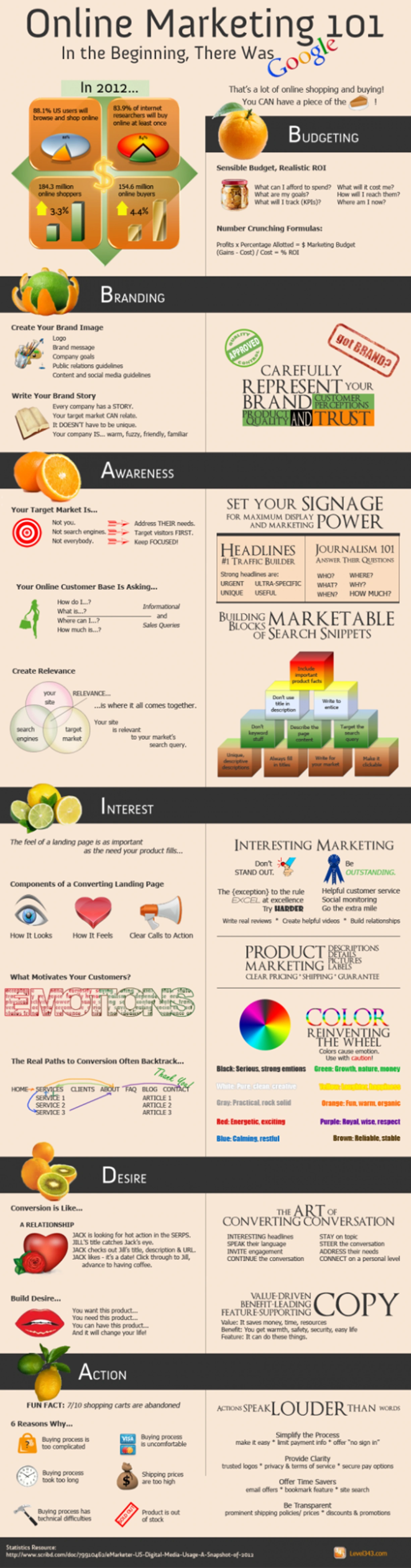
- Digital Marketing Cheat Sheets
- https://marketinginsidergroup.com/content-marketing/cheat-sheets-successful-digital-marketer-needs/
Marketing Channels
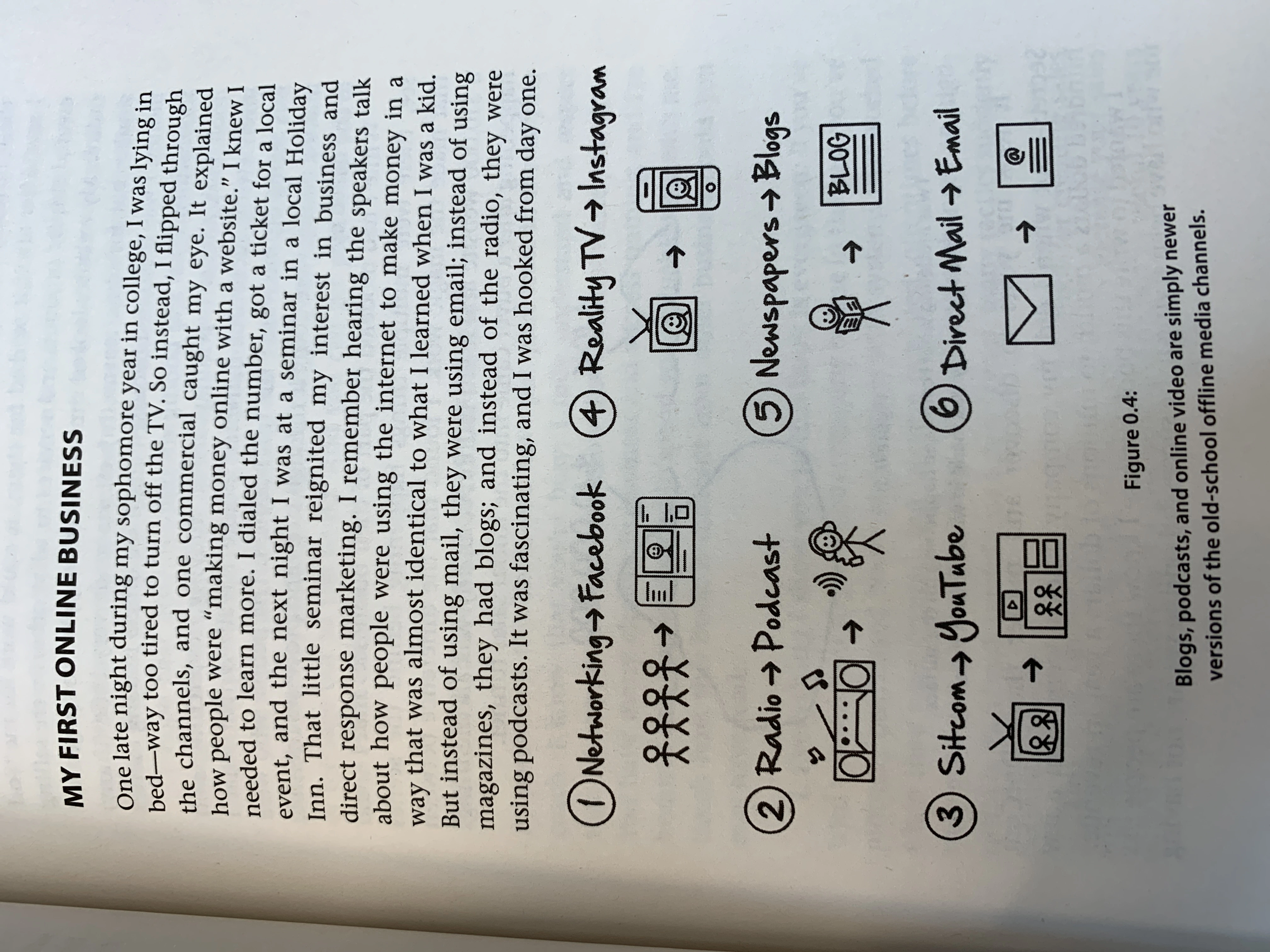
- Youtube
- Snapchat
Portfolio
- Case Study & Testimonials
Tools for Marketing
- Marketo
- MediaOcean
- MOZ
- OmniGraffle
- HootSuite
- Google Ad Manager
- Google AdWords
- Google Analytics
- Google Tag Manger
- Facebook Pixel
- Facebook Ads Manager
- Constant Contact
- Adobe Analytics
- Adobe Marketing Cloud
- Balsamiq
- Rhino
- Salesforce
- Salesforce Marketing Cloud
- Sprout Social
- Visio
- MS Project
Define Marketing Goals
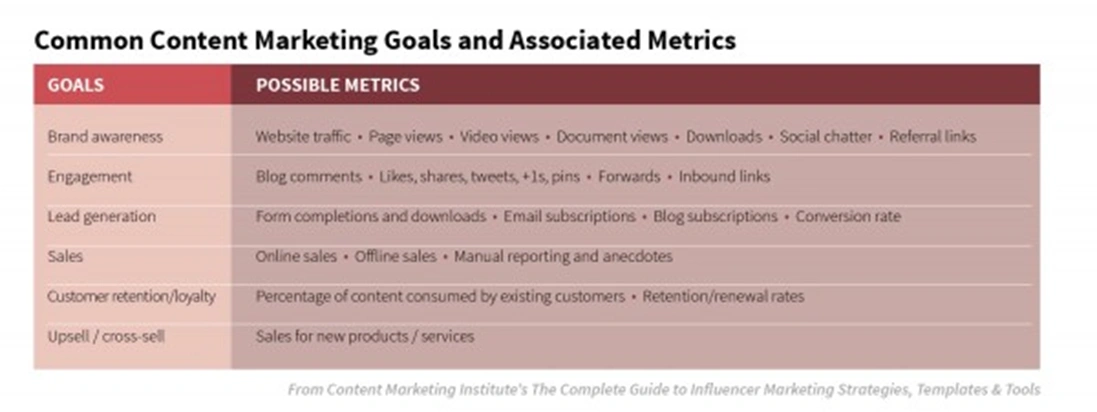
building brand (33%) and retaining customers (32.6%) are two main focus areas for marketers.

Earned media Everything we've discussed so far is what's known as owned media. They're the media sources you control, such as your own website and your social media presence. To promote your business, you should also look at earned media, or coverage from outside the channels you own.
Guest postingGuest posting can be a great way to raise the profile of your business. This goes hand-in-hand with link building. When you find other blogs in your industry (that aren't directly competing with you), try to build a relationship with the webmaster. Offer them the opportunity to guest post on your site, and seek out the opportunity to write guest posts for them.
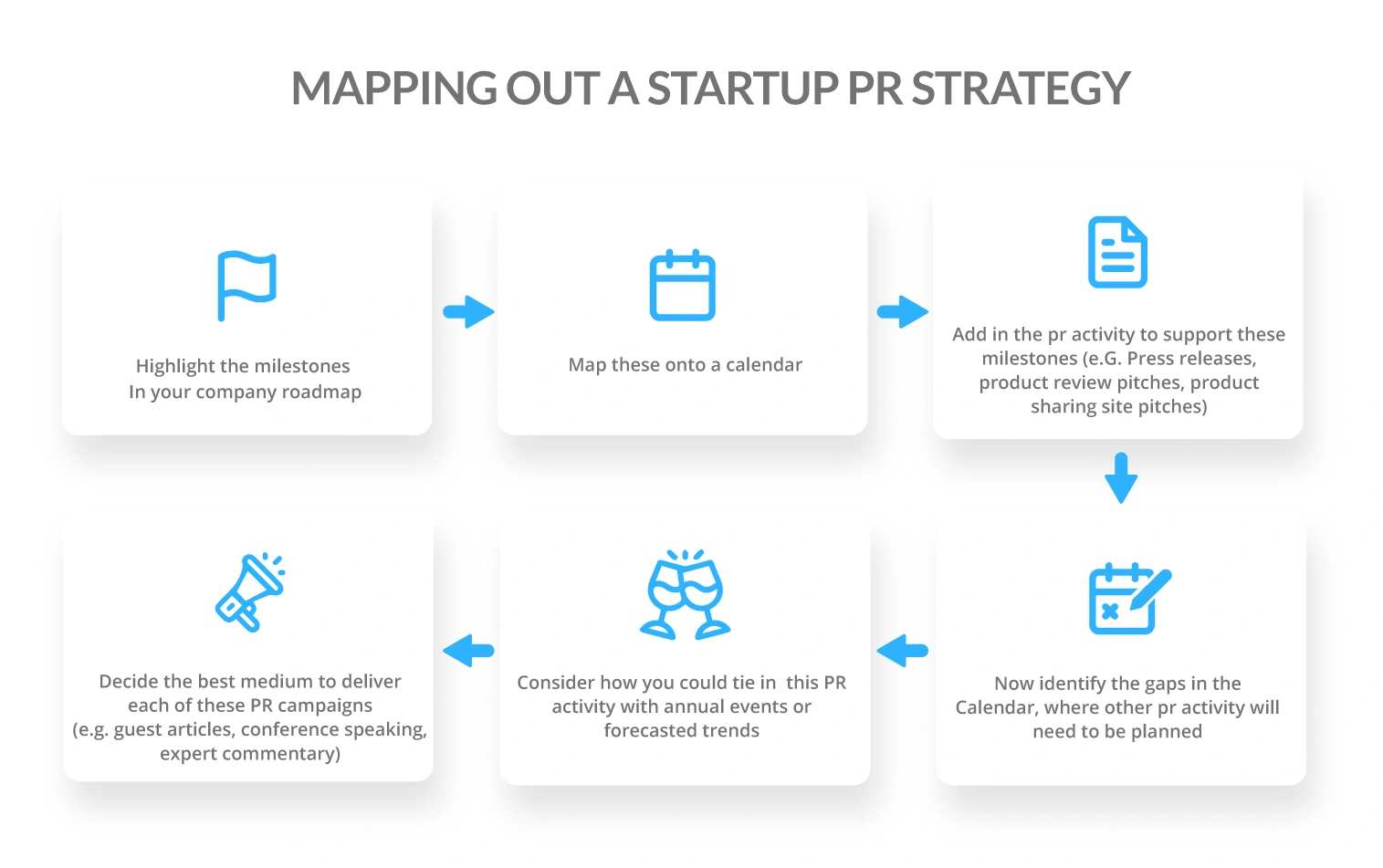
Writing a press release You'll also want to build up your presence in the media. Again, this helps position you as an industry expert. If you're producing original research, as we discussed earlier, you can use this original research in a press release.
Pitching to journalists Journalists are busy people, and they're actively looking for stories to cover and sources to quote. Making yourself available as an expert source is providing a service to them. If you're a local business, reach out to your local newspaper to update them on business developments, promotions and events.
Virality Venture capitalist Fred Wilson once colorfully stated, 'Marketing is for companies that have sucky products.' While we wouldn't go quite that far, we agree that having a great product does a lot of your marketing for you.The quality of your product can lead to viral growth, which means you can scale back some of your marketing efforts. A great example of this is DropBox. DropBox did almost no marketing in its initial stages, instead relying on a great product to inspire word-of-mouth recommendations and viral growth. And it worked.
Viral marketing for innovative technology solutions Business solutions involving an innovative product require a unique marketing strategy.For an in-depth analysis of viral marketing solutions click here.
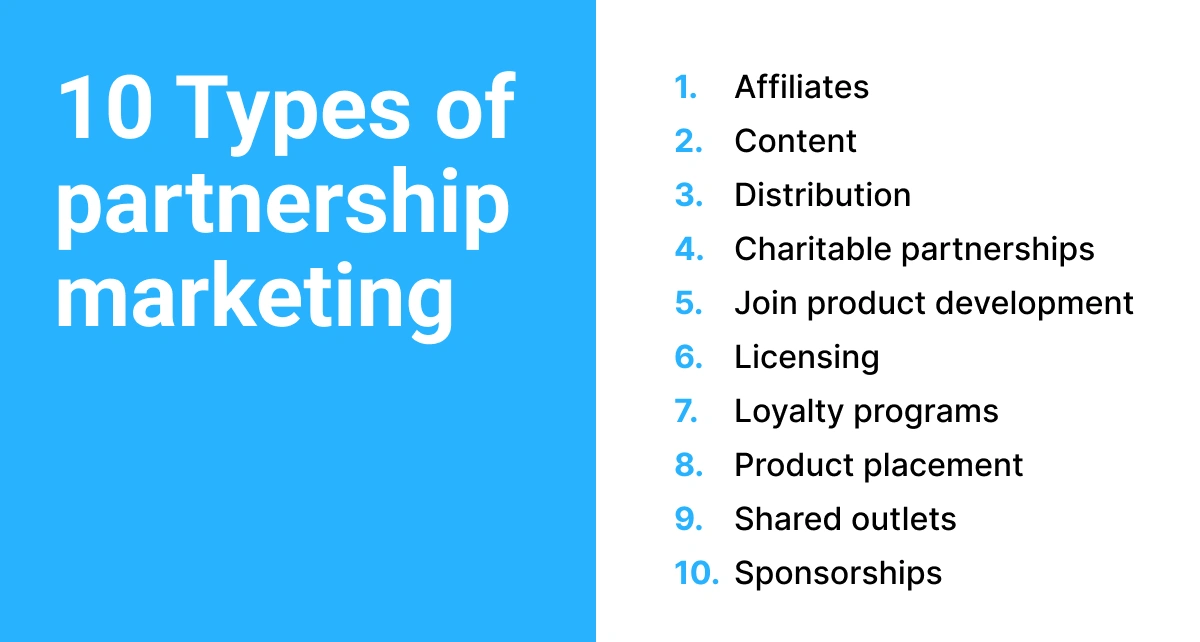
Strategic Partnerships Developing strategic partnerships is a very effective method of marketing your solution.The benefit of strategic partnerships is that you're forming an alliance with organizations that already have a large audience they could market your solution to.Strategic partnerships also give your venture credibility. If other organizations with more established reputations are willing to partner with you, it's a very good sign that your proposition is highly trustworthy.
LinkedIn The benefit to using LinkedIn is that you will be able to directly contact the appropriate decision maker rather than having to plead your case to a receptionist first.
Google Google is a great place to start to give you an idea of all the prospective partners. Once you have an idea of who would like to contact you can then transition onto LinkedIn.
Meetup Meetups are a great way of gathering with like minded individuals that are striving towards the same goal.There are meetups for almost anything, so you shouldn't have any issues finding the right group to mingle with in order to form strategic partnerships.
virtual event
https://demo.vercel.events/stage/a
Outbound marketing marketing is often called interruption marketing, and for a very good reason. This style of marketing takes your message out to customers and tries to grab their attention wherever they are. Outbound marketing is an age-old technique, but technology has opened new channels for outbound marketing that can bring immediate, measurable results and help you target your audience with laser precision.
Offline advertising With modern online advertising platforms, offline advertising can seem a bit antiquated. But as online ad channels become more popular, offline advertising is becoming less expensive. And it can still be a great way to get your brand in front of a large audience.Some of the offline marketing channels you might consider include:- TV advertising- Radio advertising- Outdoor display advertising- Print advertising- Direct mail- Branded promotional items (swag)- Trade show exhibitor spaceWhile these channels can make it hard to target a specific audience, with a bit of research you can at least narrow your audience down. For television, radio or print advertising, make sure you get audience demographics.
Pay-per-click Pay-per-click marketing is, as it sounds, online advertising that charges you per clickthrough. The way the amount you pay per click is determined will depend on the platform, but most come down to a strategy of bidding for keywords.
Conversion Rate
https://www.crazyegg.com/blog/conversion-audit/ https://hoversignal.com/
Questions to help find customers
Who needs me? What inspires their confidence? Where else can I build peoples trust?
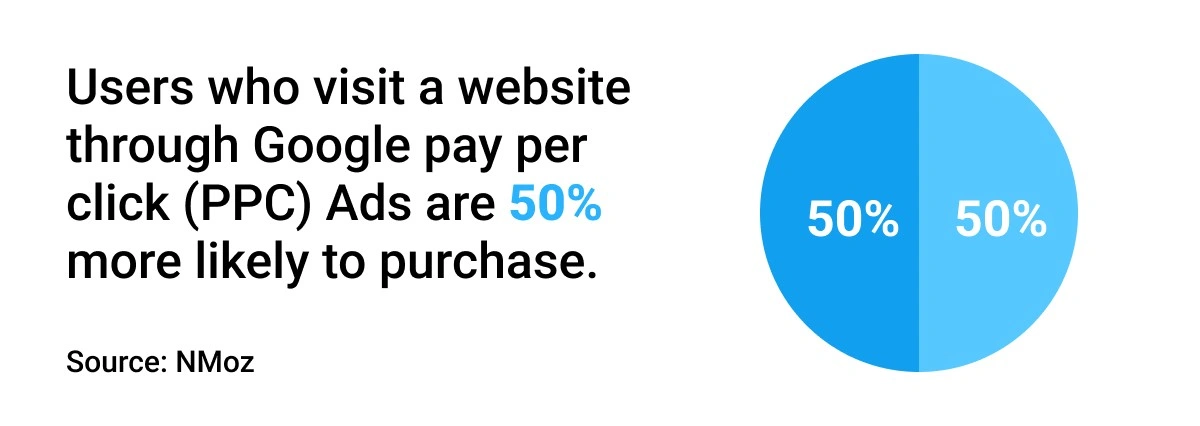
Search Engine Marketing Search engine marketing (SEM) is paid marketing through ads that appear at the top of search results pages.For more info on Google ads click here.
- Contextual
- keyword/phrase
- Interest based
- interests/preferences of the visitor are known
- Affiliate
- web page publisher is only paid if a visitor clicks and completes the desired transaction
- CPC
- CPM
- ad campaign ran on a cost per thousand page views
Evangelist
Evangelism marketing is an advanced form of word-of-mouth marketing in which companies develop customers who believe so strongly in a particular product or service that they freely try to convince others to buy and use it. The customers become voluntary advocates
Pros of outbound marketing
- Easy to measure ROI
- Immediate results
Cons of outbound marketing
- Expensive
- Ads have a limited lifespan
Conclusion Successful marketing requires both reaching out to customers and enticing them to come to you. It also requires you to engage with multiple channels. Once customers begin coming to your door, you'll be in the fortunate position of needing to scale your business. But the way you scale your business requires some strategic thinking.
Revenue Marketing
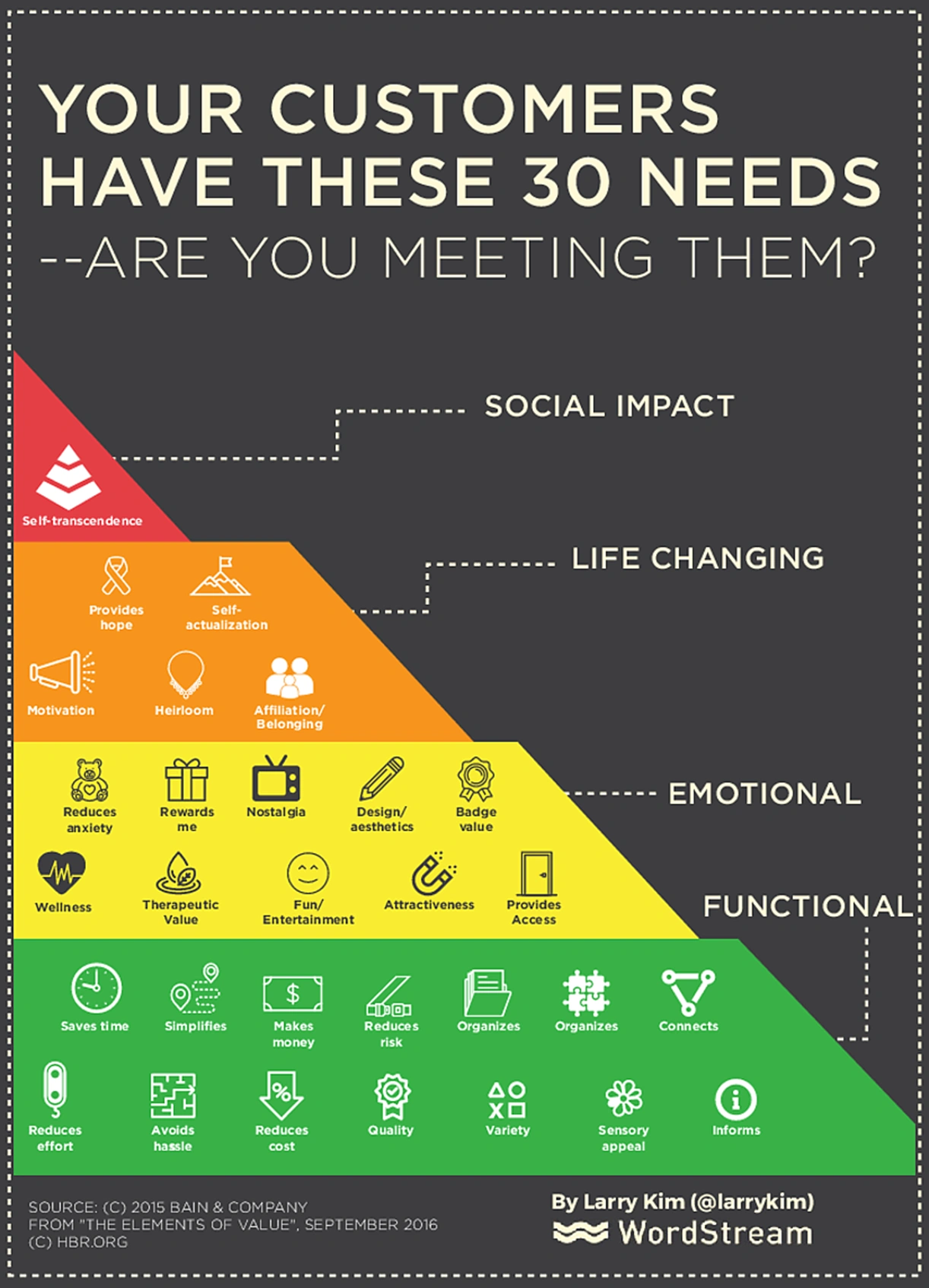
Marketing Pyschology
Marketing Big Data
Four Vs
Volume: the more data a company has about it's customers, the more effectively it can gain an understanding, reach new customers, better cater to needs and interests
Variety: multi-faceted image of the customer base greater personalization strategies
Velocity: the speed at which massive data can be analyzed
Veracity: pinpoint consumer
the accuracy of the data. the usefulness of the data
- verified
- consolidated
- up to date
- consistent
-----Motivate, Inform, Action-----
1) Motivate: This is where really understanding your prospective customer helps tremendously - your really need to understand your prospect on an emotional level. What are their pains? What emotions does this pain activate? What are their emotional hot buttons, and their irrational fears?. (I highly recommend creating a customer avatar to help here...) If you know these things and are able to communicate those emotions, fears back to them effectively through your copy, you've got them hooked...
2) Inform: At this stage you want to teach. Provide them information about what is happening that is causing the emotions, and give them some information on how to start solving the problem. Sprinkle in a bit of their desired outcomes
3) Action - Wrap it all up by tying the solution to their emotional pains to a 'call to action'. This is where you tell them what to do next (take this survey, buy this product, implement X action) and you link it to their emotional pain (ie buy my software so that you can generate more qualified hot leads which will lead to more sales & revenue so you can get rid of your anxiety of not being able to pay your bills).
- video marketing
- offline marketing
- mobile marketing
- direct marketing
- CTA marketing
- Event Marketing
list of marketing activities effective for service-based businesses
-
Develop a Comprehensive Marketing Strategy: Start by creating a well-defined marketing strategy that outlines your target audience, goals, messaging, and tactics.
-
Create a Professional Website: Build a user-friendly and visually appealing website that showcases your services, provides relevant information, and encourages visitors to take action.
-
Search Engine Optimization (SEO): Optimize your website with relevant keywords, meta tags, and high-quality content to improve your organic search rankings and attract more targeted traffic.
-
Content Marketing: Produce valuable and informative content such as blog posts, articles, videos, or podcasts that demonstrate your expertise and provide value to your target audience.
-
Social Media Marketing: Utilize social media platforms (e.g., Facebook, Instagram, LinkedIn, Twitter) to engage with your audience, share updates, promote your services, and build brand awareness.
-
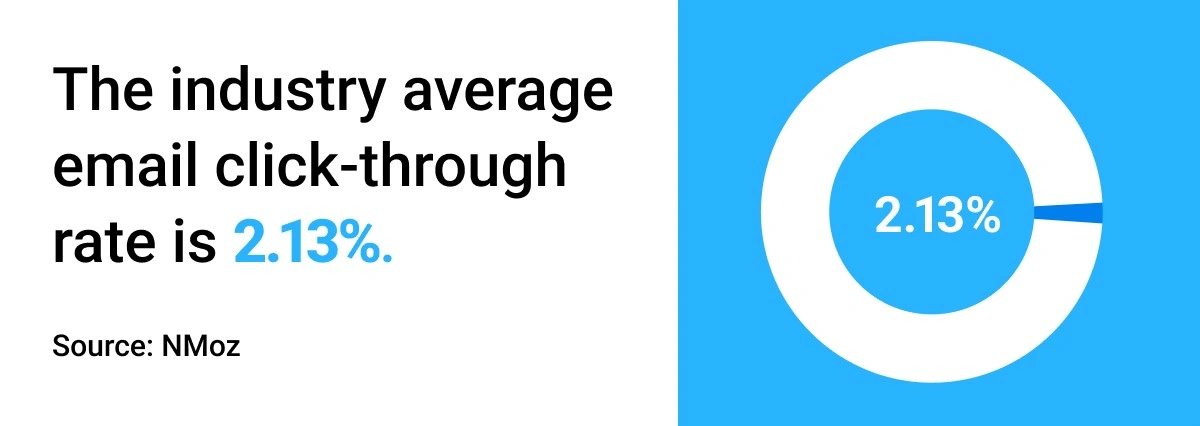
Email Marketing: Build an email list of interested prospects and existing clients and send regular newsletters, updates, and promotions to stay top of mind and nurture relationships.
-
Online Advertising: Consider running targeted online ads on platforms like Google Ads or social media platforms to reach a wider audience and generate leads.
-
Online Reviews and Testimonials: Encourage satisfied clients to leave reviews and testimonials on platforms like Google My Business, Yelp, or industry-specific review sites to build credibility and attract new customers.
-
Networking and Referrals: Attend industry events, join professional organizations, and actively network with others in your field to generate referrals and establish relationships with potential clients.
-
Collaborate with Influencers or Partners: Identify influencers or complementary businesses with a similar target audience and explore collaborations, joint marketing efforts, or cross-promotions.
-
Offer Free Consultations or Trials: Provide free consultations, trials, or samples to potential clients as a way to showcase your expertise and build trust.
-
Guest Blogging or Guest Speaking: Write guest blog posts for relevant websites or offer to speak at industry events to position yourself as an expert and gain exposure to new audiences.
-
Local Marketing: Utilize local marketing tactics such as local directory listings, sponsoring community events, or participating in local business associations to increase visibility in your area.
-
Client Referral Program: Implement a referral program that incentivizes existing clients to refer new customers by offering discounts, rewards, or other benefits.
-
Monitor Analytics and Adjust: Continuously track and analyze your marketing efforts to understand what strategies are working best and make necessary adjustments to optimize your campaigns.
Remember, the effectiveness of each marketing activity may vary depending on your specific industry, target audience, and business goals. It's important to monitor and evaluate the results of your marketing efforts and adapt your strategies accordingly.