Inbound Marketing
History: Elmo Lewis and the Purchase Funnel
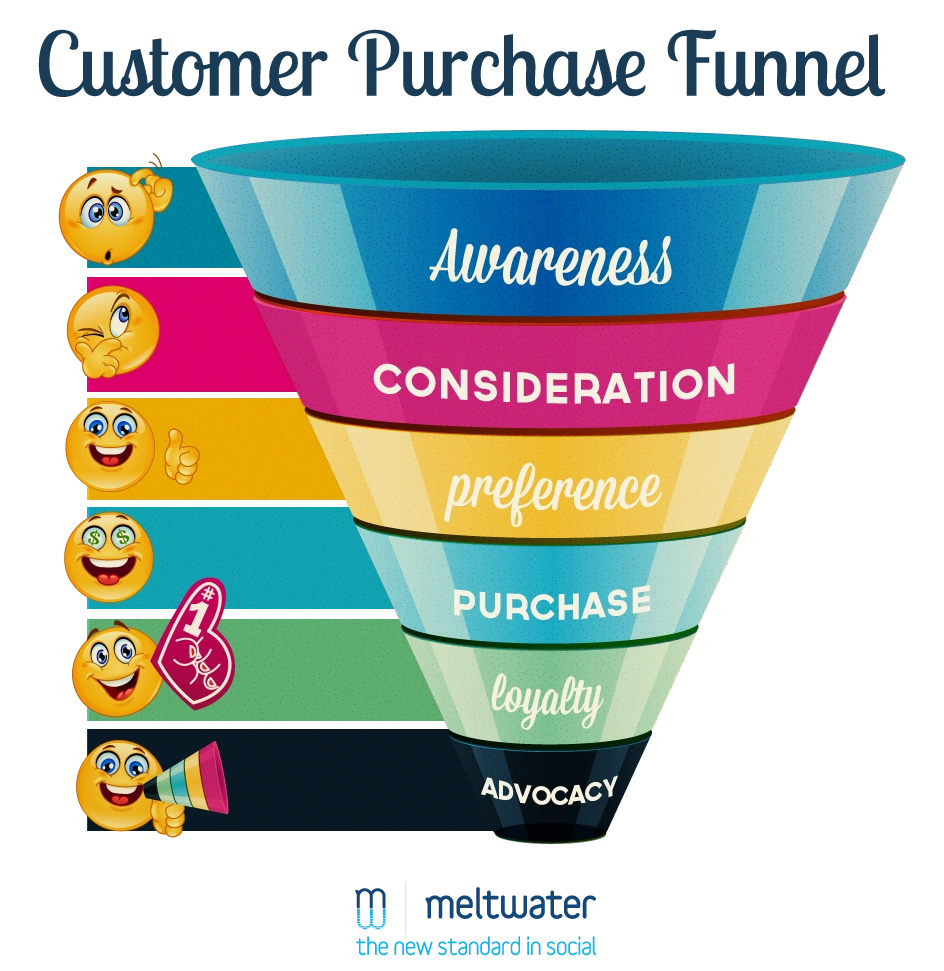
The concept of the purchase funnel was first developed by Elias St. Elmo Lewis in 1898. Lewis introduced the AIDA model, which stands for Attention, Interest, Desire, and Action. This model describes the stages a potential customer goes through before making a purchase, forming the foundation of the traditional marketing funnel.
Traditional Outbound Marketing
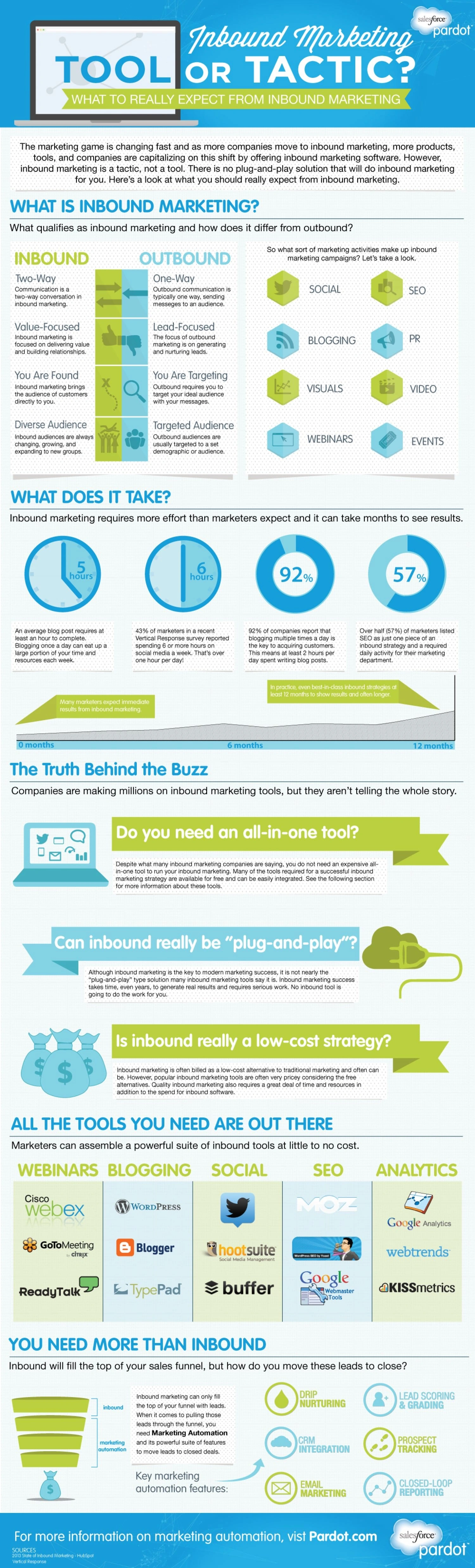
Traditional outbound marketing relies on pushing messages out to a broad audience through channels like print ads, TV, radio, cold calling, and direct mail. The goal is to capture attention and drive prospects into the top of the funnel, moving them through the AIDA stages toward a purchase. Outbound marketing is often contrasted with inbound marketing, as it interrupts potential customers rather than attracting them with valuable content.
Why the Old Outbound Funnel Approach No Longer Works
The traditional outbound marketing funnel—moving prospects from Awareness to Interest, Desire, and Action (AIDA)—is less effective today for several reasons:
image.webp)
- Information Overload: Consumers are bombarded with ads and sales messages, making it harder for outbound tactics to capture attention.
- Ad Avoidance: People use ad blockers, skip commercials, and ignore unsolicited emails, reducing the reach of outbound campaigns.
- Changing Buyer Behavior: Modern buyers research independently, seeking out information and reviews before engaging with brands.
- Lack of Personalization: Outbound marketing often delivers generic messages to broad audiences, failing to address individual needs or interests.
- One-Way Communication: The funnel is linear and transactional, missing opportunities for ongoing engagement, feedback, and relationship-building.
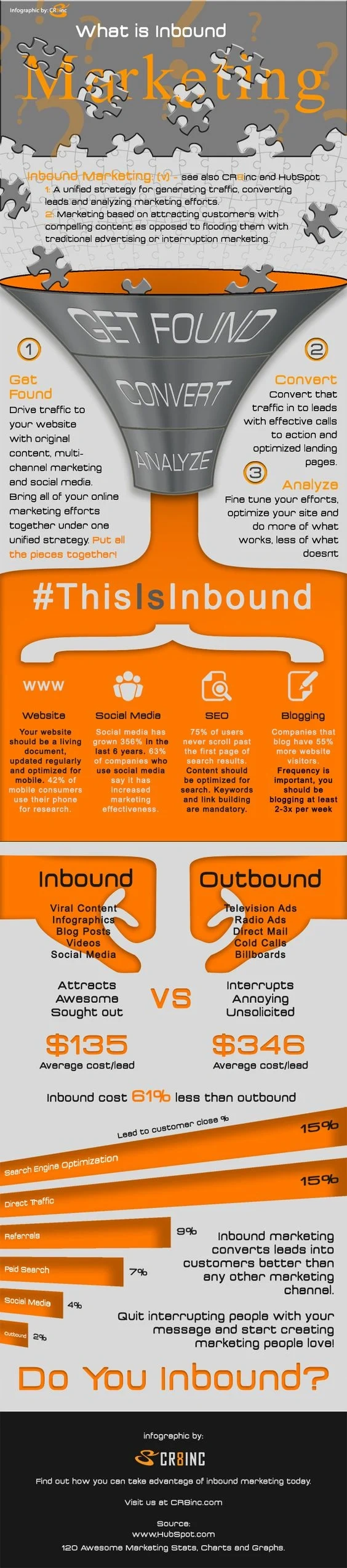
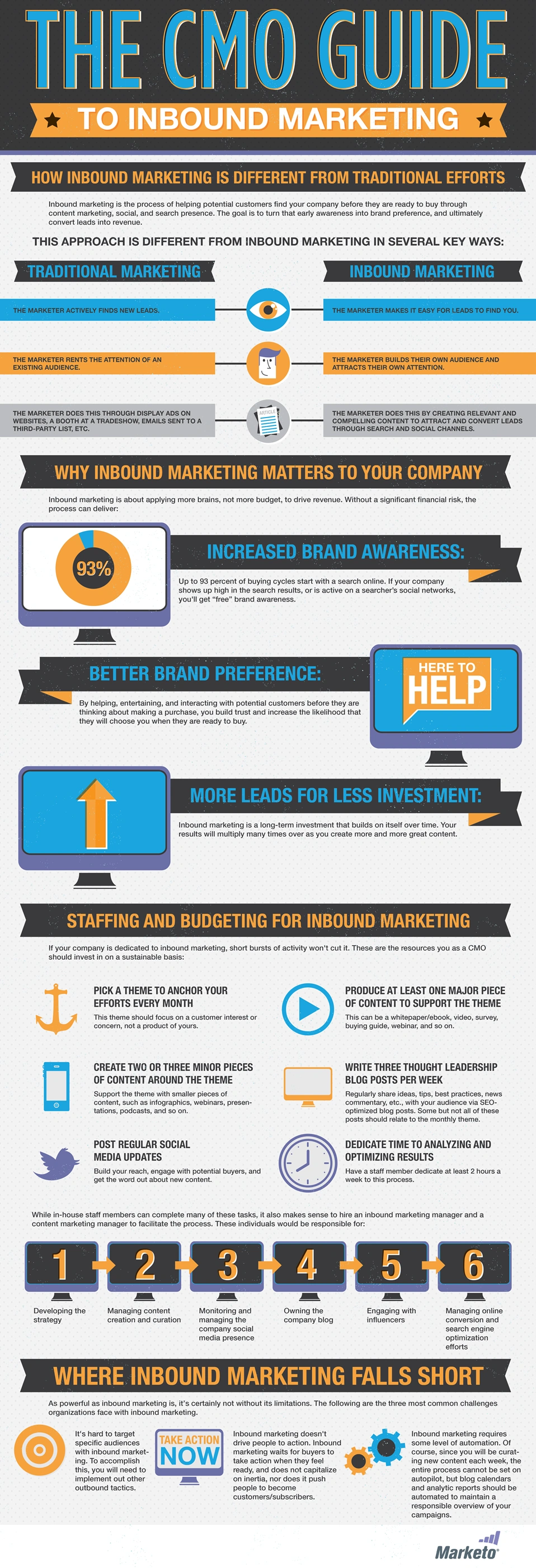
Inbound marketing addresses these challenges by attracting customers with relevant content, fostering trust, and creating a continuous cycle of engagement and advocacy.
Evolution: From the Funnel to the Inbound Marketing Purchase Loop
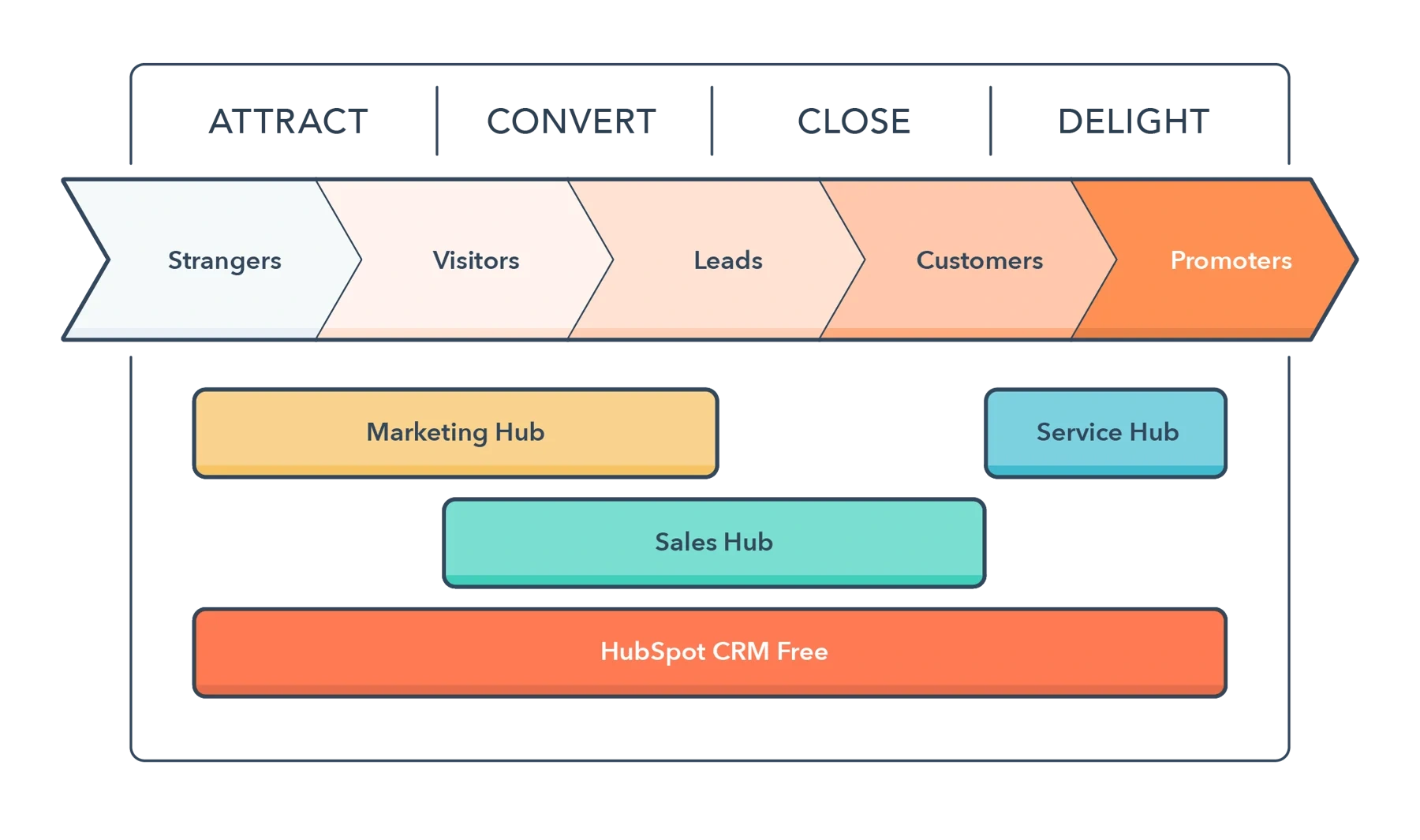
While the traditional purchase funnel is linear—guiding prospects from awareness to action—inbound marketing has transformed this model into a continuous loop. The inbound marketing purchase loop recognizes that customer engagement doesn't end at the point of sale. Instead, satisfied customers become promoters, sharing their experiences and attracting new prospects.
In this loop, the stages include:
- Attract: Drawing in strangers with valuable content and resources.
- Engage: Building relationships and addressing needs through personalized communication.
- Delight: Providing exceptional experiences that turn customers into loyal advocates.
This cyclical approach emphasizes ongoing engagement, feedback, and advocacy, making the customer journey a continuous process rather than a one-way path.
Stages of Inbound Marketing
-
Openness
The customer becomes receptive to new ideas, solutions, or brands, often triggered by a change in circumstances or exposure to relevant content. -
Realize Need
The customer identifies a specific problem or need that requires a solution, prompting them to seek more information. -
Education
The customer actively researches and consumes educational content to better understand their problem and potential solutions. -
Inspiration
The customer is inspired by success stories, case studies, or innovative ideas, motivating them to take action toward solving their need. -
Research
The customer compares different solutions, products, or services, evaluating features, benefits, and reviews to make an informed decision. -
Expansion
After an initial purchase or engagement, the customer explores additional offerings, upgrades, or ways to deepen their relationship with the brand.

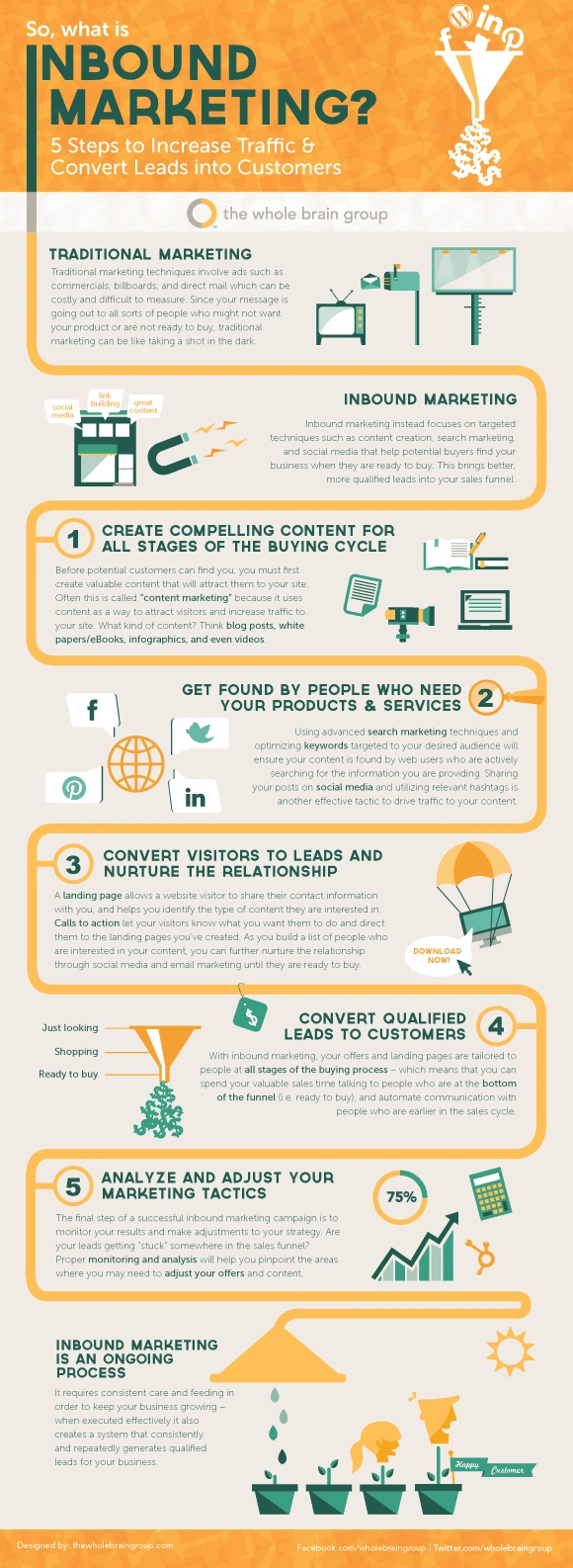
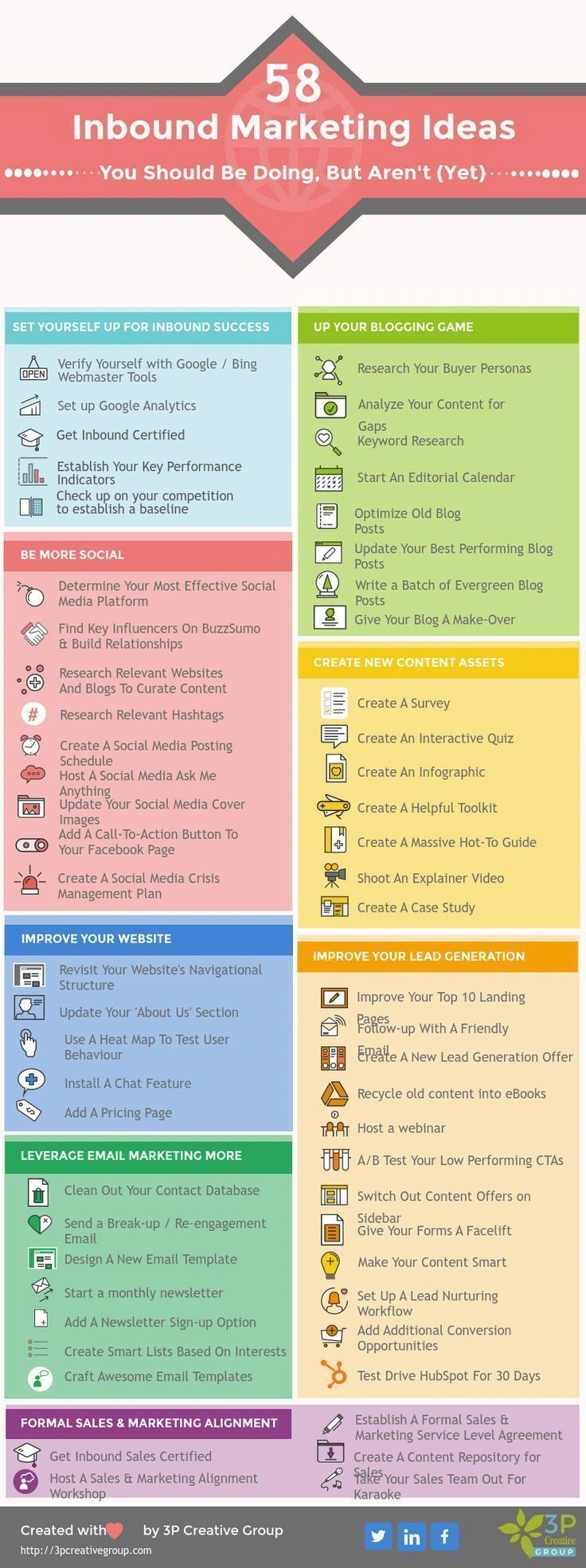
Measuring the ROI of inbound marketingMeasuring the return on investment of your inbound marketing strategy can be tricky. Inbound marketing doesn't always generate the same immediate, measurable return of many outbound marketing channels. In fact, inbound marketing can be a bit of a long game.
Pros of inbound marketing
- A fraction of the cost of paid marketing
- Generates more leads
- Offers your customers valuable content
Cons of inbound marketing
- Hard to measure ROI
- Takes longer to reach monetization
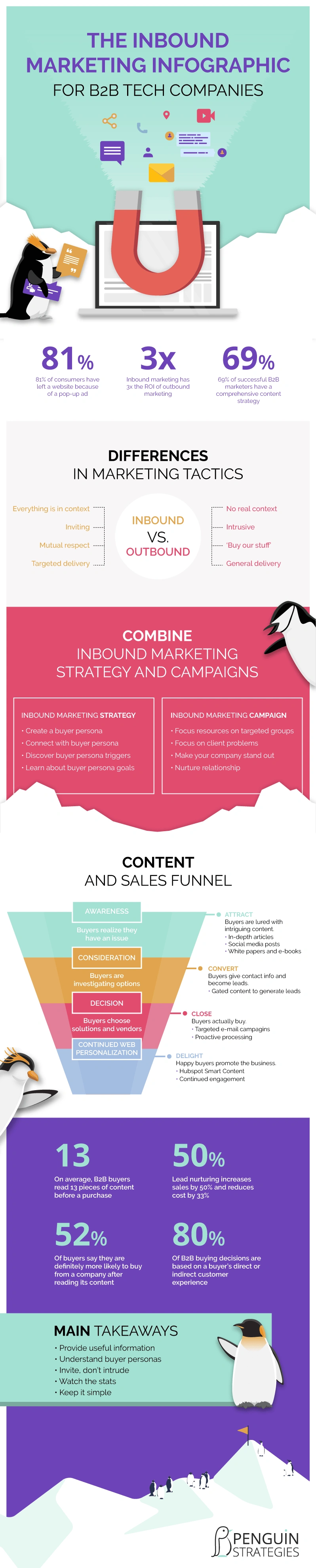
Funnel