Learn Software Engineering
the work, teaches you how to do the work

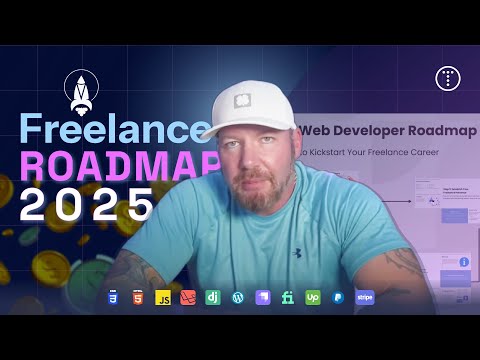
Dev Roadmaps
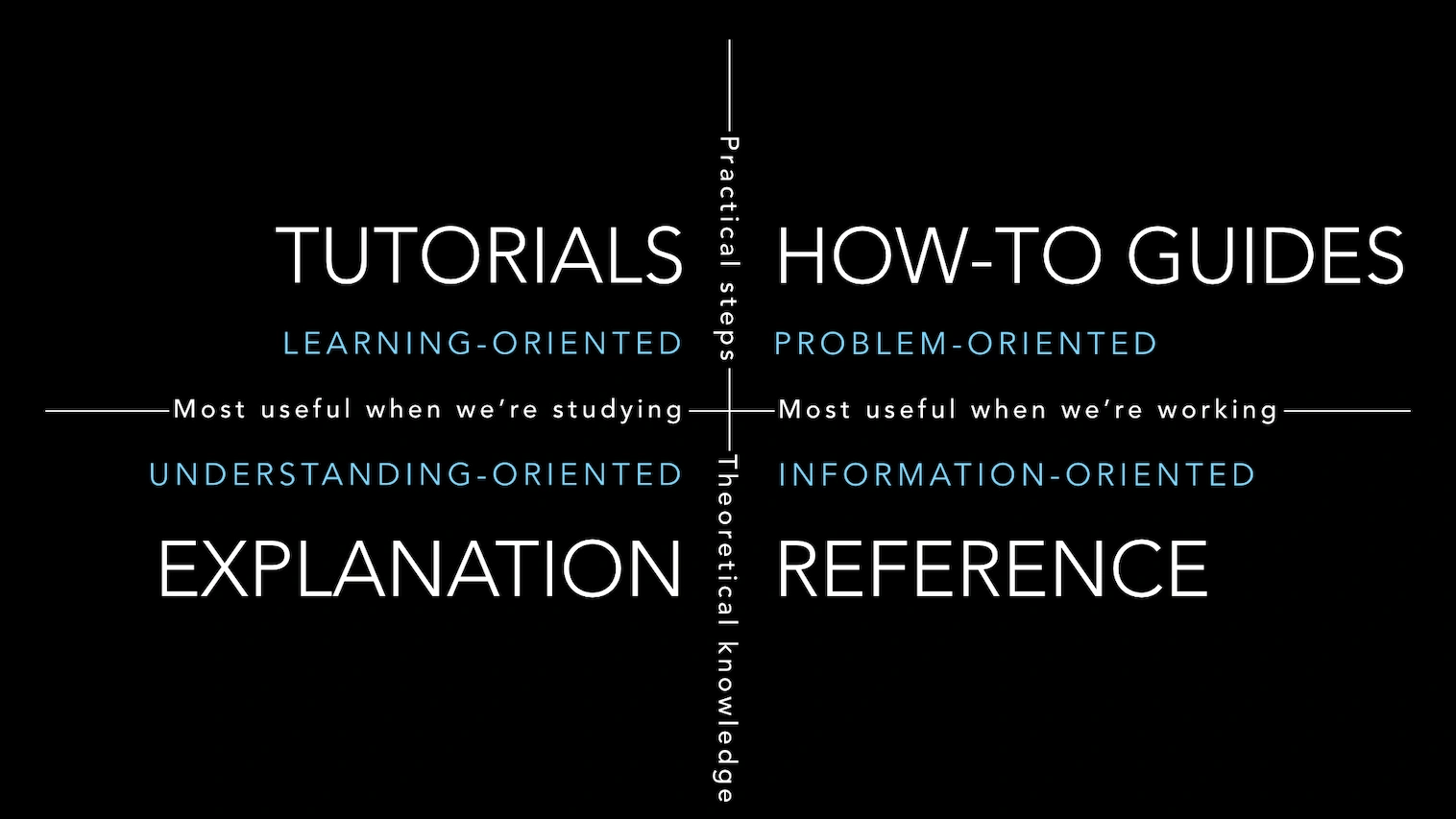
https://codeburst.io/5-examples-of-what-great-documentation-looks-like-for-developers-162bdec11020
Docs as code is a software development philosophy that views technical documentation as a form of code. It suggests that you should treat documentation with the same rigor and process as software code.
- Documentation is an essential part of the software development cycle. It explains how to use the software and can include user guides, API references, install instructions, and release notes.
- Please remember to expect unexpected errors because software is constantly updating...
As we pass this along from each new team member to next one, you need to add any missing steps, insights on tricky parts, and include screenshots for every last click you make! This will expedite and de-frustrate the next new person that joins our company!
Markdown
hads -o
Markdown Lint
.markdown.json or vs code settings.json
{
    "MD033": {
        "allowed_elements": [
            "br",
            "picture",
            "img"
        ]
    }
}
Play the long game, so few people commit to mastery

Going from Junior Dev to Senior most of your time goes into identifying what needs to be built and how to build it. You have to research what the problem looks like. You talk to others and get everyone to agree on what needs to be done.
These are your new tools:
- Research the problem
- Design the solution
- Build consensus
As you get more experienced your problems become more ambiguous. The path looks hazy. There are multiple routes you could take, but each one hides its own dragons. It's not about coding anymore. Most of your work goes into research, and you can't google the answer. With ambiguous problems there is no single right answer anymore.
- Consider how much risk any new project might add to the system
- It's okay to fail. If you never fail then you're not stretching yourself
- Get feedback early!
In-demand tech skills change fast
1. Invest in Core Skills
- Foundational Knowledge: Focus on mastering algorithms and data structures. These skills enhance problem-solving abilities and are applicable across different frameworks and languages.
- Understanding CSS and JavaScript: As a front-end developer, a deep understanding of these foundational technologies is essential.
2. Embrace Distributed Systems
- Scalability Awareness: Understand how front-end applications interact with back-end services. Familiarity with concepts of distributed systems can help in designing scalable applications.
- Real-World Experience: Engage in projects that require you to handle multiple services, APIs, and data synchronization.
3. Learn Design Patterns
- Code Maintainability: Familiarize yourself with design patterns relevant to front-end development (e.g., MVC, MVVM) to write cleaner and more maintainable code.
- Adapt to Different Paradigms: While design patterns may differ between functional and object-oriented programming, understanding their application in the context of frameworks like React or Angular is crucial.
4. Focus on Timeless Technologies
- Avoid Fads: Be cautious of jumping onto every new front-end framework. Invest your time in technologies and practices that have shown longevity and adaptability.
- Language Agnosticism: Concentrate on skills that are not strictly tied to one framework, such as responsive design, accessibility, and performance optimization.
5. Long-Term Perspective
- Career Longevity: Think of your skills as investments. Prioritize learning that will pay off over time rather than seeking short-term gains from quickly learning trending technologies.
- Continuous Learning: Stay updated with industry trends but ensure that your core knowledge remains solid and adaptable.
6. Community Engagement
- Collaborate and Share Knowledge: Engage with other developers to discuss best practices and share insights. This can help you refine your skills and stay informed about the industry.
Conclusion
Front-end developers should aim for a balanced portfolio of skills, focusing on foundational knowledge, scalability, design patterns, and timeless technologies. This strategic approach will help ensure a successful and sustainable career in a rapidly changing field.
Video Tutorials
Free Certifications
- https://testautomationu.applitools.com/learningpaths.html
- https://portswigger.net/web-security
- https://github.com/cloudcommunity/Free-Certifications
- https://academy.hubspot.com/certification-overview
- https://analytics.google.com/analytics/academy/
Free Certifications
Youtube Channels
- CodeWithHarry
- Anuj Bhaiya
- Apni Kaksha
- Jenny's lectures CS/IT NET&IRF
- Gate Smashers
- Bhagwan Singh Vishwakarma
- Telusko
- MySirG.com
- Programming with Mosh
- freeCodeCamp.org
- Traversy Media
- ProgrammingKnowledge
- Derek Banas
- Clever Programmer
- thenewboston
- LearnCode.academy
- mycodeschool
CODING PRACTICE
- YDK JS
- <www.hackerrank.com>
- <www.topcoder.com>
- <www.codechef.com>
- <www.coderbyte.com>
- leetcode.com
- <www.hackerearth.com>
- exercism.io
Boot Camps
https://cloudaffle.com/ https://tutcourse.com/home-v20/ https://www.codingdojo.com/ https://flatironschool.com/
video learning
https://learn.microsoft.com/en-us/shows/
Paid Courses
Technology Certifications
Google certified marketer
- https://www.roberthalf.com/blog/salaries-and-skills/which-it-certifications-are-most-valuable
- https://www.scrum.org/courses/professional-scrum-master-training
- https://www.webopedia.com/quick_ref/computer-certifications.html
- http://corporateminority.com/list-professional-certifications-career/
Blogs
Cheatsheet