Business Development
Table of Contents
https://www.founderweekly.com/ https://www.pitchclub.io/subscribe https://startupstash.com/
Let's brainstorm business development tasks and responsibilities for a tech startup focusing on consulting, SaaS, digital marketing, and Web3. We'll break it down by area and then look at overarching responsibilities.
I. Core Business Development Tasks & Responsibilities (General)
These are the tasks that apply across all your service offerings:
- Lead Generation:
- Inbound: Content marketing (blog posts, white papers, case studies, webinars), SEO, social media marketing, email marketing, online advertising (PPC, social media ads), referral programs.
- Outbound: Cold emailing, networking events (online and in-person), industry conferences, targeted outreach campaigns, partnerships.
- Lead Qualification: Developing a lead scoring system, identifying ideal customer profiles (ICPs), initial consultations, needs assessments.
- Sales Process Management:
- Proposal Creation: Tailoring proposals to client needs, pricing strategy, contract negotiation.
- CRM Management: Tracking leads, managing interactions, reporting on sales progress (using tools like Salesforce, HubSpot, etc.).
- Closing Deals: Negotiation, overcoming objections, contract signing.
- Relationship Management:
- Client Onboarding: Ensuring smooth onboarding for new clients.
- Account Management: Maintaining client relationships, identifying upsell/cross-sell opportunities.
- Client Communication: Regular communication, feedback collection, addressing concerns.
- Market Research & Analysis:
- Competitive Analysis: Identifying competitors, analyzing their strengths and weaknesses.
- Market Trends: Staying up-to-date on industry trends, identifying new opportunities.
- Customer Feedback: Gathering feedback from clients to improve services.
- Partnership Development:
- Strategic Partnerships: Identifying and developing partnerships with complementary businesses.
- Channel Partnerships: Building relationships with resellers or affiliates.
II. Service-Specific Business Development Tasks
Now, let's look at the specific tasks related to each service area:
- Consulting:
- Thought Leadership: Building a reputation as an expert in the field.
- Speaking Engagements: Presenting at industry events, conferences.
- Networking: Building relationships with potential clients in specific industries.
- Case Studies: Showcasing successful consulting projects.
- SaaS:
- Demo Creation & Delivery: Creating compelling product demos.
- Free Trials & Freemium Models: Managing free trials and freemium user conversions.
- Product Marketing: Promoting the SaaS product to target audiences.
- User Acquisition: Driving traffic to the SaaS website and landing pages.
- Digital Marketing:
- SEO & Content Marketing: Demonstrating expertise in SEO and content marketing to potential clients.
- Social Media Marketing: Building a strong social media presence.
- Paid Advertising Management: Managing paid advertising campaigns for clients and showcasing results.
- Performance Reporting: Providing clients with regular reports on campaign performance.
- Web3:
- Community Building: Engaging with the Web3 community online and offline.
- Blockchain Expertise: Demonstrating expertise in blockchain technology and its applications.
- NFT & Metaverse Strategy: Developing and implementing NFT and metaverse strategies for clients.
- Decentralized Marketing: Exploring and utilizing decentralized marketing channels.
III. Overarching Responsibilities
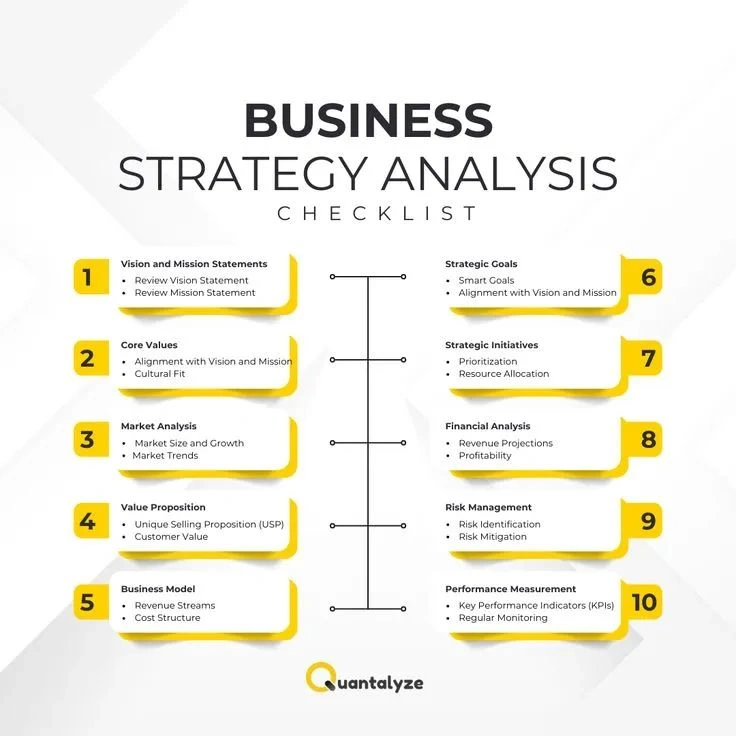
- Business Development Strategy: Developing and implementing the overall business development strategy.
- Budgeting & Forecasting: Managing the business development budget and forecasting revenue.
- Team Management (if applicable): Managing a team of business development professionals.
- Reporting & Analytics: Tracking key metrics and reporting on business development performance.
IV. Brainstorming Techniques
- SWOT Analysis: Analyze your startup's strengths, weaknesses, opportunities, and threats.
- Ideal Customer Profile (ICP) Workshop: Define your ideal customer for each service offering.
- Competitive Analysis: Research your competitors and identify their strengths and weaknesses.
- Brainstorming Sessions: Hold regular brainstorming sessions with your team to generate new ideas.
- Customer Feedback: Regularly solicit feedback from clients to identify areas for improvement.
Example Task Breakdown (SaaS):
- Lead Generation: Content marketing (blog posts about SaaS best practices), webinars (demonstrating the SaaS product), targeted LinkedIn outreach to relevant industries.
- Lead Qualification: Develop a lead scoring system based on company size, industry, and engagement with marketing materials.
- Sales Process: Personalized demos, free trial onboarding, follow-up emails, pricing negotiation.
- Relationship Management: Onboarding new users, providing customer support, identifying upsell opportunities.
By breaking down the tasks and responsibilities by service area and using brainstorming techniques, you can create a comprehensive business development plan for your tech startup. Remember to prioritize tasks based on their potential impact and align them with your overall business goals.
Strategic Financial Management
- comfortable walking into a meeting without any certainty
- able to work in an unstructured way
- opportunity identify
- making deals
- driving growth
- is like being an explorer
- looking for synergies
- room for creativity
- Sourcing new relationship
- Implementing services
- determining broader potential
Managing workers
Managing workers effectively involves several key strategies to ensure that your team is productive, motivated, and engaged. Here are some tips for managing workers:
Communicate effectively
Communication is key to managing workers effectively. Schedule regular check-ins with your team members to discuss progress, provide feedback, and address any concerns they may have.
Provide feedback and recognition
Providing regular feedback and recognition to your team members can help to motivate and engage them. Make sure that you recognize their accomplishments and provide constructive feedback to help them improve.
Develop your team
Investing in the development of your team members can help to improve their skills and increase their engagement and productivity. Provide training and development opportunities, and encourage them to take on new challenges.
Foster a positive work environment
Creating a positive work environment can help to boost morale and improve productivity. Encourage teamwork, celebrate successes, and provide a supportive atmosphere where everyone feels valued and respected.
Manage conflicts effectively
Conflicts can arise in any workplace, so it's important to have strategies in place for managing them effectively. Encourage open communication, listen to all parties involved, and work to find a resolution that is fair and equitable.
Empower your team
Empowering your team members to make decisions and take ownership of their work can help to increase their engagement and motivation. Provide them with the tools and resources they need to succeed, and trust them to make good decisions.
By following these strategies, you can effectively manage your workers and create a productive and engaged team.