e-Commerce
Table of Contents
- analyzing and optimizing online retail business data to make strategic recommendations, identify trends and opportunities for growth, and insights to improve business processes
- monitor e-commerce metrics such as conversion rates, customer acquisition, retention, and revenue. E-commerce analysts may also conduct market research, analyze customer behavior, and provide insights to improve the user experience and drive sales.
- measures the success of a company's online retail presence
- analyze and report changes in online sales to a team of e-commerce managers so they are well-informed when making business decisions. Beyond sales, a business analyst may track a company's web analytics, search engine ranking, advertising campaign results and branding across a website.
- Analyze company decisions and activities with internal web page hit counter stats
API Monetization
api-as-a-revenue-stream.webp)
https://www.crazyegg.com/blog/perfect-mobile-ecommerce-checkout/
- There are no perfect platforms
- focus on your strengths
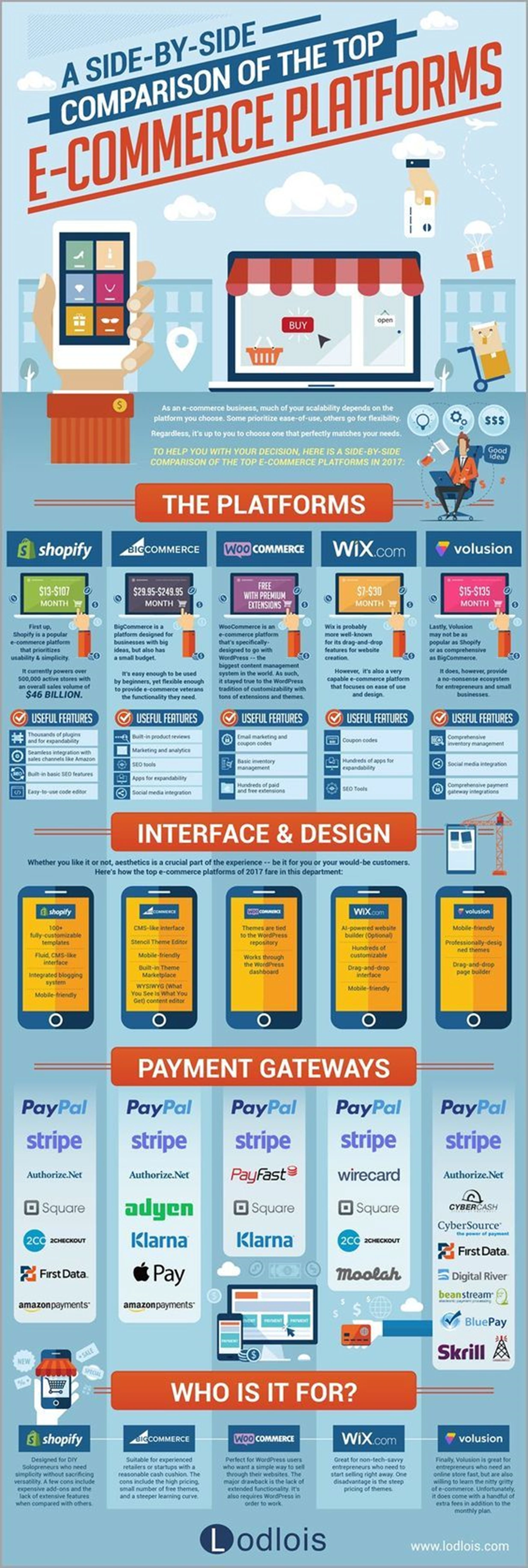
| Platform Cost Comparison | WooCommerce | Shopify | BigCommerce | CrateJoy |
|---|---|---|---|---|
| monthly subscription | 0 (WordPress is open-source) | 30 | 30 | $40 / mo |
| Hosting | Pay as you go | |||
| Apps | $200/year | $20/mo | $20/mo | |
| Transaction Fees | Negotiate your own (once established) | .005 | .007 | .0125 |
- Venmo For Business
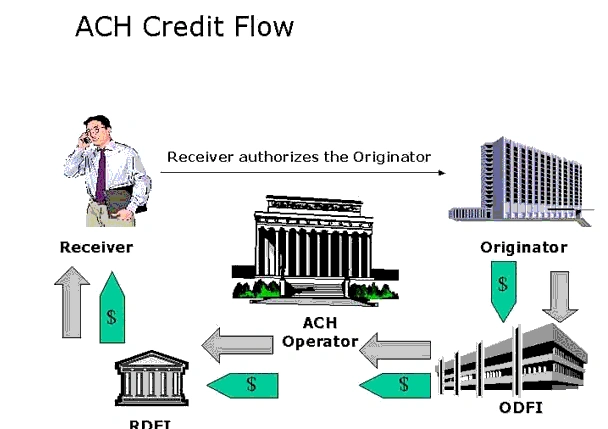
CREDIT CARD PROCESSING FEES
How do I track foot traffic KPIs?
Tracking foot traffic KPIs (key performance indicators) for a brick and mortar business can be important in understanding the success of your business. Here are some steps to track foot traffic KPIs:
Install a people counter: A people counter is an electronic device that tracks the number of people entering and exiting your store. This can be an effective way to measure foot traffic.
Analyze sales data: Analyzing sales data can also provide insight into foot traffic. Look at the number of transactions during specific time periods to determine when your store is busiest.
Conduct surveys: Conducting surveys of your customers can provide valuable feedback on their shopping experience and how they found out about your store.
Track online engagement: Track your online engagement, including website traffic and social media engagement. This can provide insight into how customers are finding your store and what marketing efforts are working.
Monitor local events and trends: Monitor local events and trends that may impact foot traffic to your store. This can help you plan for busy periods and adjust your marketing efforts accordingly.
Use foot traffic data to make informed decisions: Use the foot traffic data you collect to make informed decisions about staffing, inventory, and marketing efforts. This can help you optimize your business operations and improve your bottom line.
By tracking foot traffic KPIs, you can gain a better understanding of your business and make informed decisions to improve its success.
revenue share
Negotiating for a revenue share as an e-commerce consulting business can be a complex process, but there are some key steps that can help increase the chances of success. Here are some tips for negotiating a revenue share:
Understand the Client's Needs: Before entering into negotiations, it's important to understand the client's needs and goals. This may involve conducting a thorough analysis of the client's business, including their revenue model, target market, and competitive landscape.
Define the Scope of Work: The revenue share agreement should clearly define the scope of work that the e-commerce consulting business will provide, including the specific services, deliverables, and timelines. This will help to ensure that both parties have a clear understanding of the expectations and deliverables.
Determine the Revenue Share Percentage: The revenue share percentage should be based on a fair and reasonable assessment of the value that the e-commerce consulting business will bring to the client's business. This may involve a negotiation process, in which both parties agree on a percentage that is mutually beneficial.
Establish Performance Metrics: The revenue share agreement should establish performance metrics that will be used to track the success of the e-commerce consulting business. This may include metrics such as sales growth, conversion rates, or customer acquisition costs.
Include a Termination Clause: The revenue share agreement should include a termination clause that outlines the conditions under which the agreement can be terminated by either party. This will help to protect both parties in the event of unforeseen circumstances or changes in business priorities.
Consult with Legal and Financial Experts: It's important to consult with legal and financial experts to ensure that the revenue share agreement is legally and financially sound. This may involve working with a lawyer or accountant to review the agreement and provide recommendations or revisions.
Overall, negotiating a revenue share as an e-commerce consulting business requires a strategic and collaborative approach that is based on a thorough understanding of the client's needs and goals. By following these tips, the e-commerce consulting business can increase the chances of success and establish a strong and mutually beneficial relationship with the client.
Payment Gateways
- google wallet
- paypal
- stripe
- squareup.com
Payment Types
- Cash
- check
- credit card
- debit card
- wire transfer
Paypal Integration
- Inventory
- count stock (sizes)
- can't buy
3 Most Important eCommerce Metrics- AOV, CR, RPV
It’s important to understand that metrics simply show symptoms, and different symptoms become visible through different metrics. Tracking these metrics can help you uncover different behavioral trends on your website.
To understand how eCommerce metric tracking can help increase average conversion rate, let us study them by taking an example of company “X” that sells 2 products: one for $1 and the other for $100.
Conversion Rate A conversion is any desirable activity performed by a visitor on your site. From an eCommerce business’s perspective, conversion is checkout.
Conversion Rate = Number of Checkouts/Number of Unique Visitors
If you have an average of 1000 visitors to your site on any given day, and 50 of them become customers, your conversion rate is 5%. Optimizing for conversion rate will make more visitors into paying and returning customers and help you:
Convert more of your current visitors, which is more cost-effective than acquiring new visitors Generate more revenue at the same cost Since you are already paying in some way to acquire traffic to your website — through PPC, SEO, Email, etc — it would be a great idea to convert more of those visitors into customers. It brings you more revenue for each dollar spent on acquiring traffic.
It made sense.
However, let’s say, company X conducted an A/B test on the product page and this is what was found:
breakdown chart of results of A/B test on an ecommerce product page Average Order Value Sometimes it may so happen that revenues can drop because of a dip in conversions among high paying customers. To avoid such obstacles and tackle them, Average Order Value is what you should be tracking. It’s a direct indicator of what’s actually happening on the profits front.
Average Order Value(AOV) = Total revenue/Number of Checkouts
Comparing AOV against Cost Per Order gives a great idea of the profits you make on each order. Consider your Cost Per Order (shipping costs etc.) is $1 and your AOV is $10, giving you a profit of $9 per order. By increasing AOV by 10% to $11, you stand to gain an additional profit of $1 per order.
simple ways to bump up the AOV of your eCommerce business:
Set a Bar for Free Shipping The first tip is to offer free shipping on purchases which are slightly more than your current AOV.
value proposition of free shipping during cart checkout I say ‘slightly’ because free shipping is a tricky subject. You’ll end up increasing the AOV, but the additional shipping charge could reduce the total number of transactions. In fact, there’s a lot of research to suggest that the lack of free shipping is the biggest reason behind cart abandonments[1]. A/B test between completely free shipping and one that is free after a minimum order value, the metrics to track closely are AOV, the number of sales, revenue, and cart abandonment rate.
Offer Discounts on Minimum Purchase So you are planning to extend that generous 20% flat discount to clear all your dead stock? Improvise. Tell them they will get the discount on a minimum purchase of $50 or $100 or whatever figure sufficiently makes up for your lost margins in giving that discount. Give some, take some.
discount vouchers for your next purchase Give Limited Period Offer Shoppers tend to procrastinate and mull purchase decisions. To continue the ‘special discounts on minimum purchase of 50$’ tip, adding a limited duration to the offer can create a sense of urgency among visitors and encourage them to buy more in one go. For example, ‘Get 40% off on all products’ might motivate the visitor to browse the products. But when you say ‘Get 40% off on all products for next 2 days’, it compels them to act right away.
the influence of limited period offer on average order value of ecommerce store Try Volume Discounts Offer discounts on bulk purchases of the same product. Paperstone, an office supplies company, used VWO to launch a bulk discount deal on its website. It ran an A/B test and found the bulk discount deal increased its average order value by 18.94% and revenue by 16.85%.
discounts on volume purchases of products on ecommerce store However, remember that you have to determine the right discount value that helps you acquire a new customer, and at the same time, doesn’t throttle your profit margins.
Upsell Upselling, if implemented intelligently, is a great way to increase the value of an order. If a visitor is eyeing that 320GB Windows 7 laptop, just throw in the gleaming photo of that 500GB Windows 8.1 laptop on the side. Simply put, upselling is offering a similar but more expensive variant of the product to the buyer.
product recommendations on amazon product listing page However, don’t try to maximize every transaction[2], and throw in random products just because you have them. Don’t be like one of those aggressive salespersons trying to sell the entire catalog to someone who hasn’t even made their first purchase.
Cross-sell Purchasing that 500GB Windows 8.1 laptop? Would you need a laptop bag with it? Or perhaps a USB drive?
cross-selling on amazon ecommerce store This is precisely what cross-selling is known as – soft selling complementary or additional products to your customer base. Studies show that cross-selling, even though it has always played second-fiddle to upselling the former is 20 times more effective than the latter. What you need to keep in mind is that the suggestions need to be relevant. A person buying a laptop will need a laptop bag, not necessarily a DSLR.
Offer Package Deals A package deal or a combo offer is a cool way of selling two or more related products at a discounted price through your online shop. It’s a convenient way to increase customer spends, move your slow-moving goods, and most importantly grow your average order value. The Hut offers a pretty smart discounted price on clothing bundles. Going with the stereotype that most men don’t enjoy shopping, and prefer to get all their stuff quickly, The Hut’s offer is well-targeted.
package deals for complete outfit options on fashion ecommerce store Incentivize the Purchase Always give something to the customer, and they will merrily return the favor. Whenever they make a purchase, either offer them a great loyalty program, cash-backs, or anything that is redeemable on their next purchase of minimum order value. For instance, you can give a $5 cashback offer on their next purchase worth $40, or a free gift voucher worth $10 on an order above $60, points for purchasing, and so on. This works in two ways. One, customer satisfaction, and second, repeat purchases.
Apart from ensuring a second-time visit and fostering customer loyalty, this increases the order value. Customers tend to buy more in order to experience that all-important gratification that comes after having bought something for free (intended oxymoron). It’s easy – see how Paperstone increased AOV by 18.94% using A/B testing.
Revenue Per Visitor Again, it may so happen that lesser people end up purchasing on your website as a result of bumping up the minimum order value for free shipping, even though it successfully increased your AOV. Your revenue could take a hit harming your profits while still showing a higher AOV.
If company X tracks AOV alone, it could make the company blind towards conversion rate resulting in a revenue sheet like the one below:
breakdown chart of revenue per visitor for an ecommerce store Revenue Per Visitor (RPV): Revenue Per Visitor combines both Conversions and AOV to give the whole picture. RPV is deceptively simple – it tells you how much revenue each unique visitor is driving. The trick here is to understand RPV from a different perspective.
We already know that,
RPV = Total Revenue/Total Unique Visitors(checkouts)
So we can rewrite the RPV equation this way: RPV = (AOV x Conversions)/Total Unique Visitors
And since (Conversions/Total Unique Visitors) = Conversion Rate
RPV = AOV x Conversion Rate
What’s the most important thing for any online eCommerce store? Revenue. For revenue, you need traffic. Once you are able to attract traffic, increasing revenue is a two-dimensional process:
Convert more visitors into paying customers (Conversion Rate) Increase customer-spend per conversion (AOV) RPV involves both these dimensions leaving no blind spots. If there’s a drop in RPV, it could be due to:
A sudden increase in visitors without any buying intent (drop in conversion rate): Check if there has been any recent marketing, such as email marketing activity that brought a lot of unqualified visitors with low buying intent. Use segmentation to understand what channels are bringing the right traffic. Customers are buying less of high-value goods and more of low-value goods (drop in AOV): Consider using a recommendation engine. Now, after going through all of these metrics and recommendations, Company X may wonder why use only unique visitors and not total visitors (unique and returning).
Of all first time visitors to an eCommerce site, 99% won’t make a purchase. The typical buying cycle involves a visitor first visiting your site to check out the products, leaving to compare prices elsewhere, consulting a few friends, reading reviews and eventually a trip back to your site for the purchase (if at all a purchase decision is made). There could be even more steps involved here.
Using total visitors bloats up your metric denominator considerably, resulting in small figures and giving you less credit than you otherwise deserve.
This is not to say it’s a bad practice, just sub-optimal. (In fact, if for some reason, you are getting many orders from repeat buyers it might even make sense to use total visitors instead of unique visitors.)
Using ‘unique visitors’, on the other hand, paints a real-world picture of what’s happening with your users, who are, of course, unique.
Surely you track some metric/s that help increase your brand’s conversion rate! What metric/s have you found most useful to track, and why? Getting your perspective as a practitioner would be invaluable.
FAQs on eCommerce Metrics What is AOV metric? Average Order Value is the average amount of revenue your business earns from all the checkout orders.
How is AOV calculated? Average Order Value is calculated as the total revenue divided by the total number of checkouts on the eCommerce store.
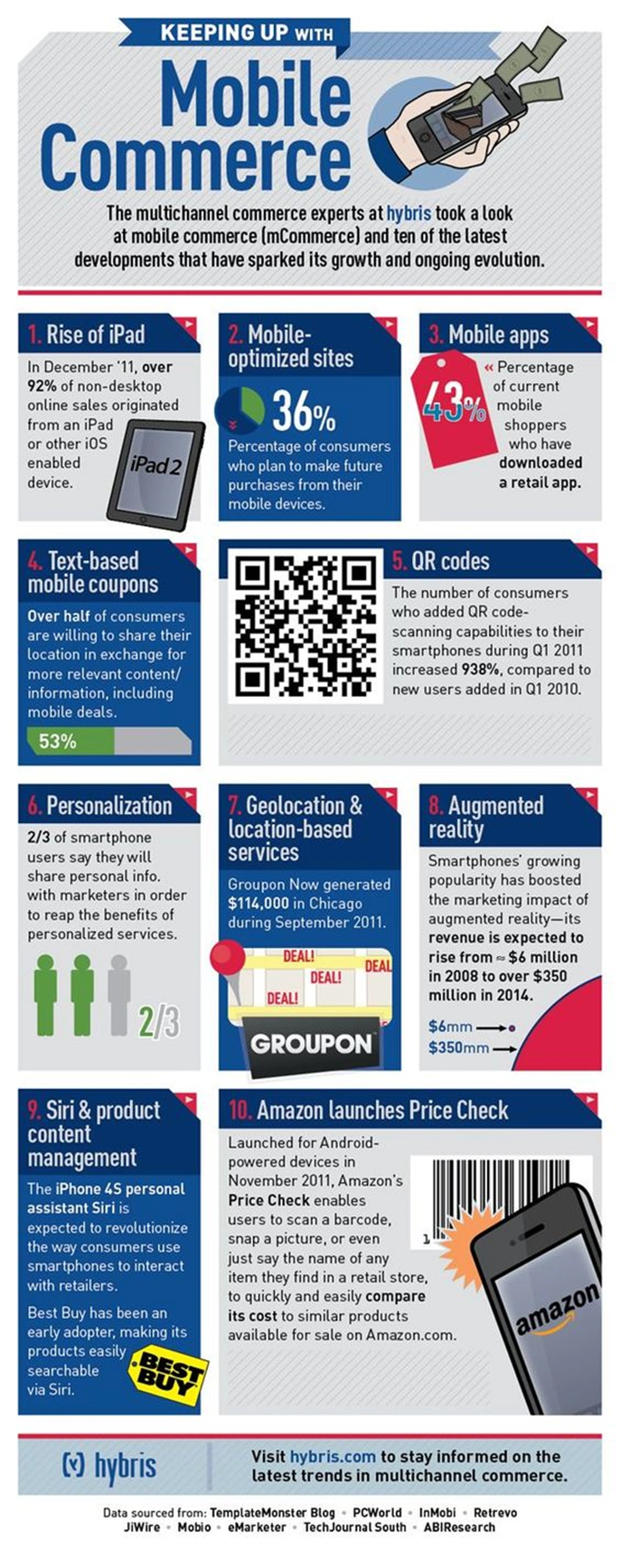
The shopping experience can have a significant impact on a business in various ways. Here are some ways in which the shopping experience can affect a business:
-
Customer Satisfaction and Loyalty: A positive shopping experience enhances customer satisfaction, which can lead to increased customer loyalty. When customers have a seamless, enjoyable, and personalized experience while shopping, they are more likely to return to the same business for future purchases and recommend it to others. Satisfied and loyal customers can become brand advocates and contribute to the long-term success of a business.
-
Brand Perception and Reputation: The shopping experience shapes the perception of a brand in the minds of customers. A positive experience creates a favorable impression and strengthens the brand's reputation. On the other hand, a negative or unpleasant experience can significantly damage a business's reputation, leading to negative word-of-mouth, online reviews, and decreased customer trust. In today's digital age, where customers can easily share their experiences online, reputation management is crucial for businesses.
-
Differentiation and Competitive Advantage: In a competitive marketplace, businesses need to differentiate themselves from their competitors. A superior shopping experience can be a key differentiator. By providing exceptional customer service, personalized interactions, convenient payment options, easy returns, and other value-added services, a business can stand out and gain a competitive edge. A memorable shopping experience can give customers a reason to choose one business over another, even if the prices are similar.
-
Increased Sales and Revenue: A positive shopping experience can lead to increased sales and revenue. When customers are satisfied and have a pleasant experience, they are more likely to make repeat purchases, spend more money, and explore additional products or services offered by the business. Moreover, a positive experience can also drive impulse buying and encourage customers to recommend the business to others, thus expanding the customer base and generating more sales.
-
Customer Retention and Reduced Churn: A great shopping experience can contribute to customer retention and reduce churn. When customers feel valued, supported, and have their needs met during the shopping process, they are more likely to remain loyal to the business and continue their relationship. Retaining existing customers is often more cost-effective than acquiring new ones, and a positive shopping experience plays a crucial role in building long-term customer relationships.
-
Repeat Business and Cross-Selling Opportunities: A positive shopping experience increases the likelihood of repeat business. Satisfied customers are more inclined to return to the same business for their future needs. Additionally, a good shopping experience also opens up opportunities for cross-selling and upselling. By understanding customer preferences and providing personalized recommendations, businesses can encourage customers to explore complementary products or upgrade to higher-value options, thereby increasing the average transaction value.
It is important for businesses to focus on delivering a positive and seamless shopping experience to their customers. By doing so, they can enhance customer satisfaction, build a strong brand reputation, gain a competitive advantage, increase sales and revenue, and foster long-term customer loyalty.