Branding And Logos
Source: branding.md
Branding & Visual Assets
This section covers brand identity, color schemes, logo usage, and various branded materials.
Logo & Identity
Coming soon - logo variations and brand identity guidelines
Color Schemes
Coming soon - color palette and usage guidelines
Source: off-white.md
Off-White Color Reference
Print Materials
Coming soon - business cards, flyers, and print collateral
Portfolio Assets
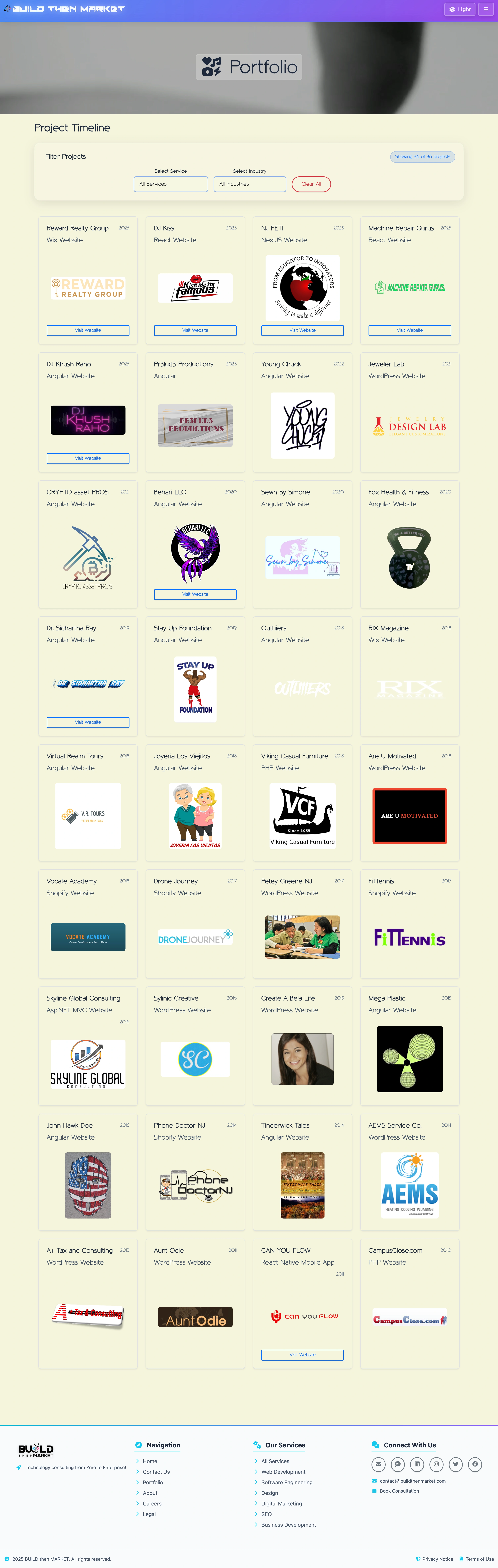
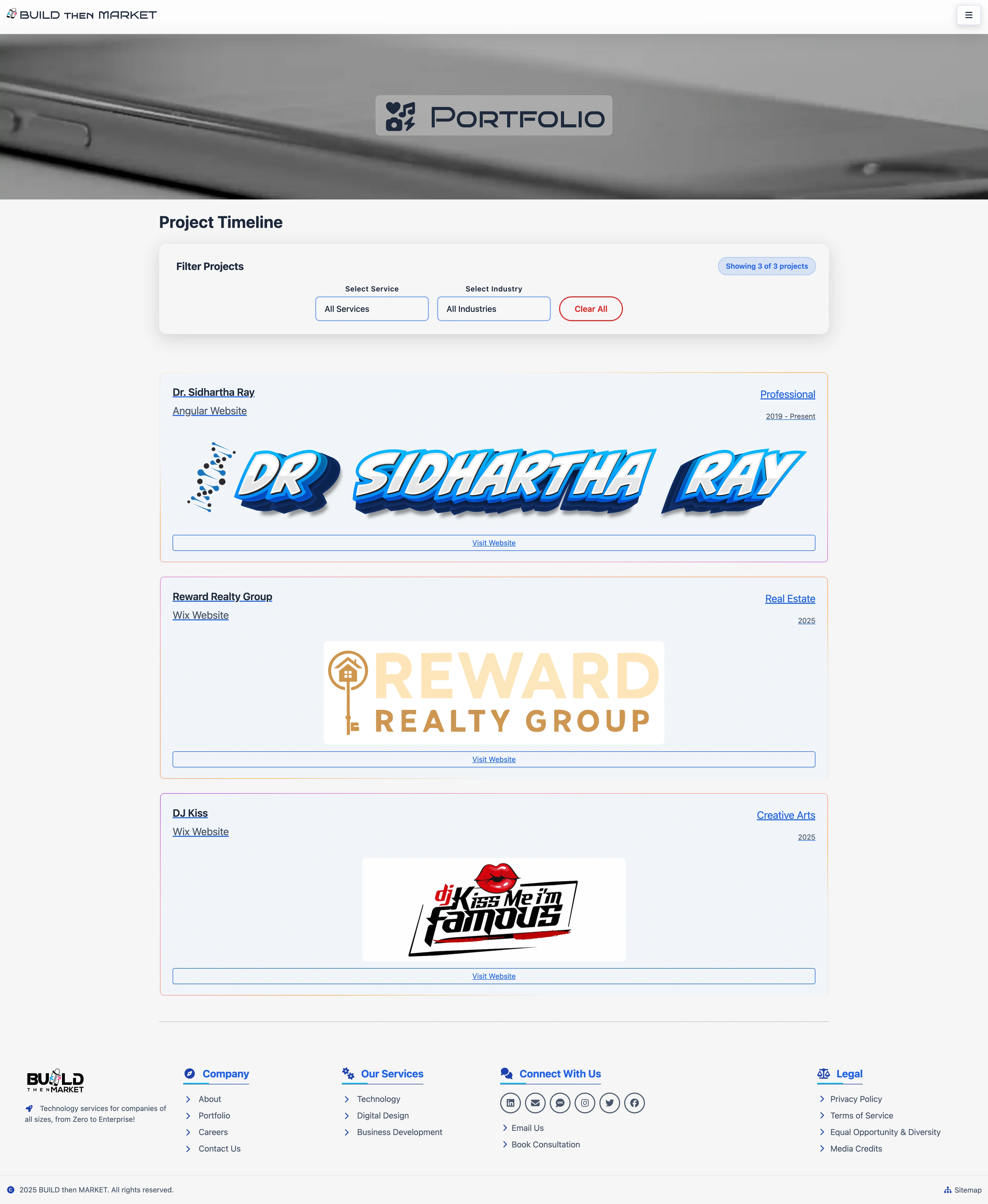
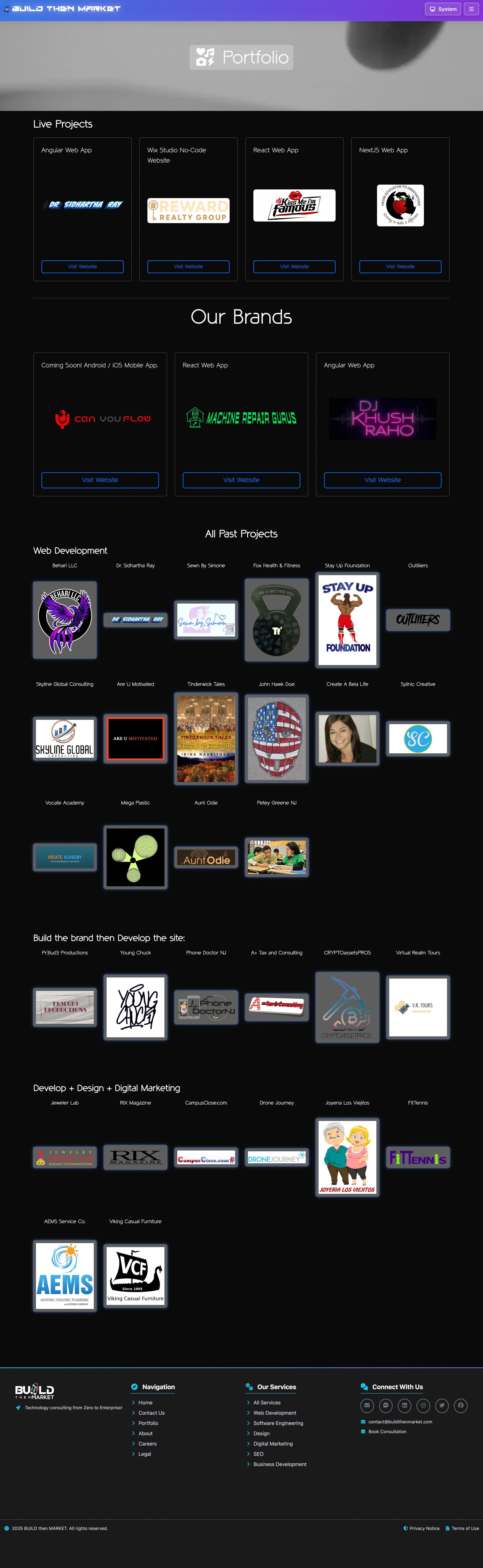
Portfolio Showcase




Free UX Audit Assets
UX Audit Materials

AI Generated Images
AI Image Assets
Source: logo-design.md
Logos
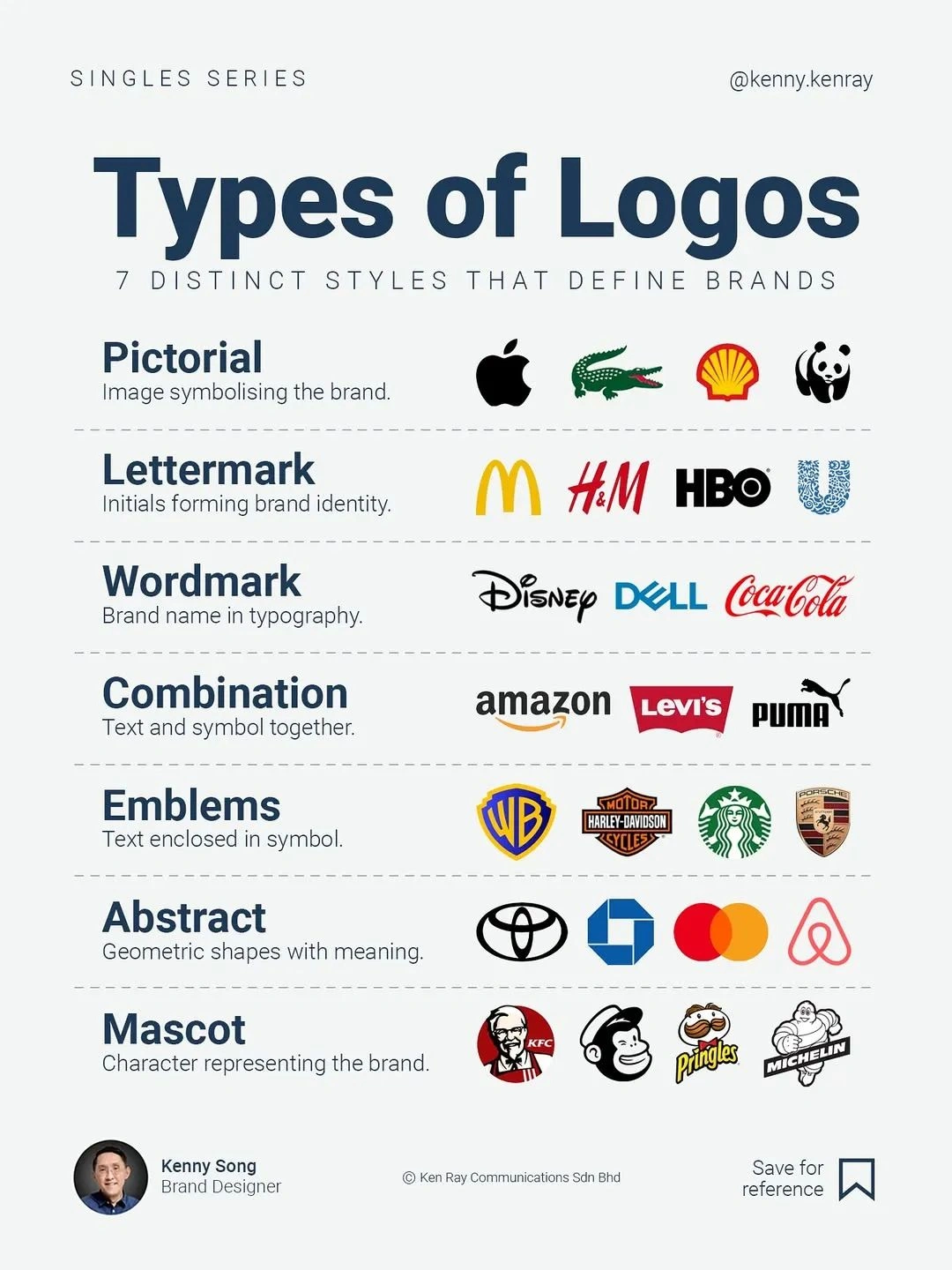
5 Logo Versions
- main logo
- secondary logo
- simplified logo (small amount of space)
- submark (favicon)
- logo animation
- https://www.shopify.com/tools/logo-maker
- https://www.adobe.com/express/templates/
- https://www.template.net/editable/logos
- https://www.freepnglogos.com/
- https://seeklogo.com/
- https://99designs.com/blog/logo-branding/anatomy-of-a-logo/
- https://elements.envato.com/
- https://www.logoground.com/
- https://www.flaticon.com/
- https://www.shutterstock.com/
| term | definition |
|---|---|
| scalable | from movie screen to business card |
| Logomark | The logomark is the icon, pictogram or graphical element of a logo design. It is generally the most recognizable part of a logo, meant to encapsulate the entirety of the brand in a singular image. |
| Wordmark | The wordmark is the text part of the logo design that displays the brand name. |
| Tagline | The tagline is the secondary text portion of the logo that is usually paired with the wordmark to provide more information about the brand. |
| Establishment date and location | The establishment date and location in a logo design offers background history on a brand. |
| Background | The background of a logo is any color, image, texture or physical material placed behind the logo. |
| Negative space | Negative space is the part of the logo that cannot be seen. |

Contest
create a unique logo for "BUILD then MARKET"
business description: a web agency that does software engineering and digital marketing. you can go to the website and look at it. https://buildthenmarket.com
- do not use clip art that has copyrights, ORIGINAL DESIGN REQUIRED.
- you have full creative freedom to give me the best design you feel is a good fit. try to include symbols like smartphone, credit card, shopping/e-commerce, coding/software development.
- use black color on white background, no 3d backgrounds
- "then" should be lowercase OR smaller than "BUILD" and "MARKET"
- Handover must have source file like .ai filetype (adobe illustrator) and any fonts used for future editing.
inspiration design

wide version:
Symbol on left + BUILD then MARKET
second square version (stacked):
Symbol
BUILD then MARKET
| 79 | 155 | 231 |
|---|---|---|
 |  | |
| 236 | 258 | 259 |
 | 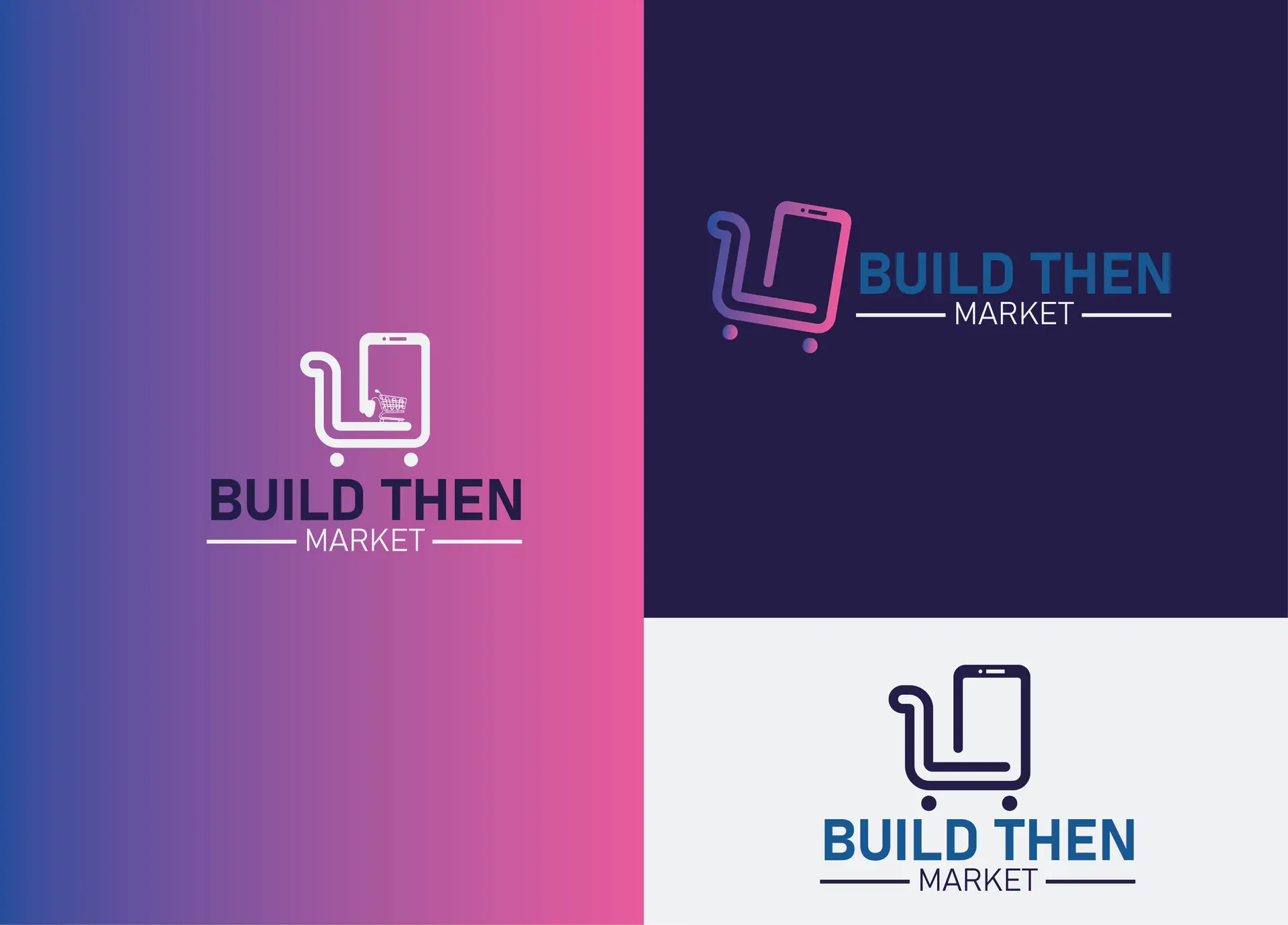 |
blue > 00aeef pink > ff3e87
Source: logo-verify-original-authenticity.md
Logo Authenticity & Originality
Verifying whether a digital designer's artwork is composed solely of original work or if it includes elements sourced from online images can be a challenging task. However, there are a few methods you can use to help determine the authenticity and originality of their work. Here are some suggestions:
-
Reverse Image Search: Perform a reverse image search using search engines like Google Images or TinEye. This allows you to upload or provide a link to the designer's artwork to check if similar or identical images exist elsewhere on the internet.
-
Examine File Metadata: Check the metadata of the digital file to see if it contains any information about the image sources. Most digital files, such as JPEGs, contain metadata that can be accessed using image editing software or online tools. Look for information such as creation date, camera details, or any embedded information that might indicate the origin of the image.
-
Request the Design Process: Ask the digital designer to provide insights into their creative process. Genuine designers often explain their techniques, software used, and the steps involved in creating their artwork. If they can provide a detailed account of their design process, it may indicate their authenticity.
-
Ask for Sketches or Progress Shots: Request the designer to share any sketches, work-in-progress screenshots, or intermediate stages of their artwork. Original designs usually involve multiple iterations and concept explorations. By examining these preliminary materials, you can get a better sense of the designer's creative process and whether the artwork is entirely original.
-
Check for Consistency: Analyze the style, quality, and consistency of the designer's portfolio or body of work. Look for any significant discrepancies, variations in skill level, or sudden changes in style that could suggest the use of pre-existing images.
-
Consult with Experts: If you have concerns about a designer's work, consider reaching out to other professionals or experts in the design field. They may be able to offer insights or provide a second opinion on the authenticity of the artwork.
Remember that these methods can help you make an informed judgment, but they are not foolproof. It's always important to approach such situations with sensitivity and respect, giving the designer the benefit of the doubt until there is concrete evidence suggesting otherwise.