Entrepreneurship
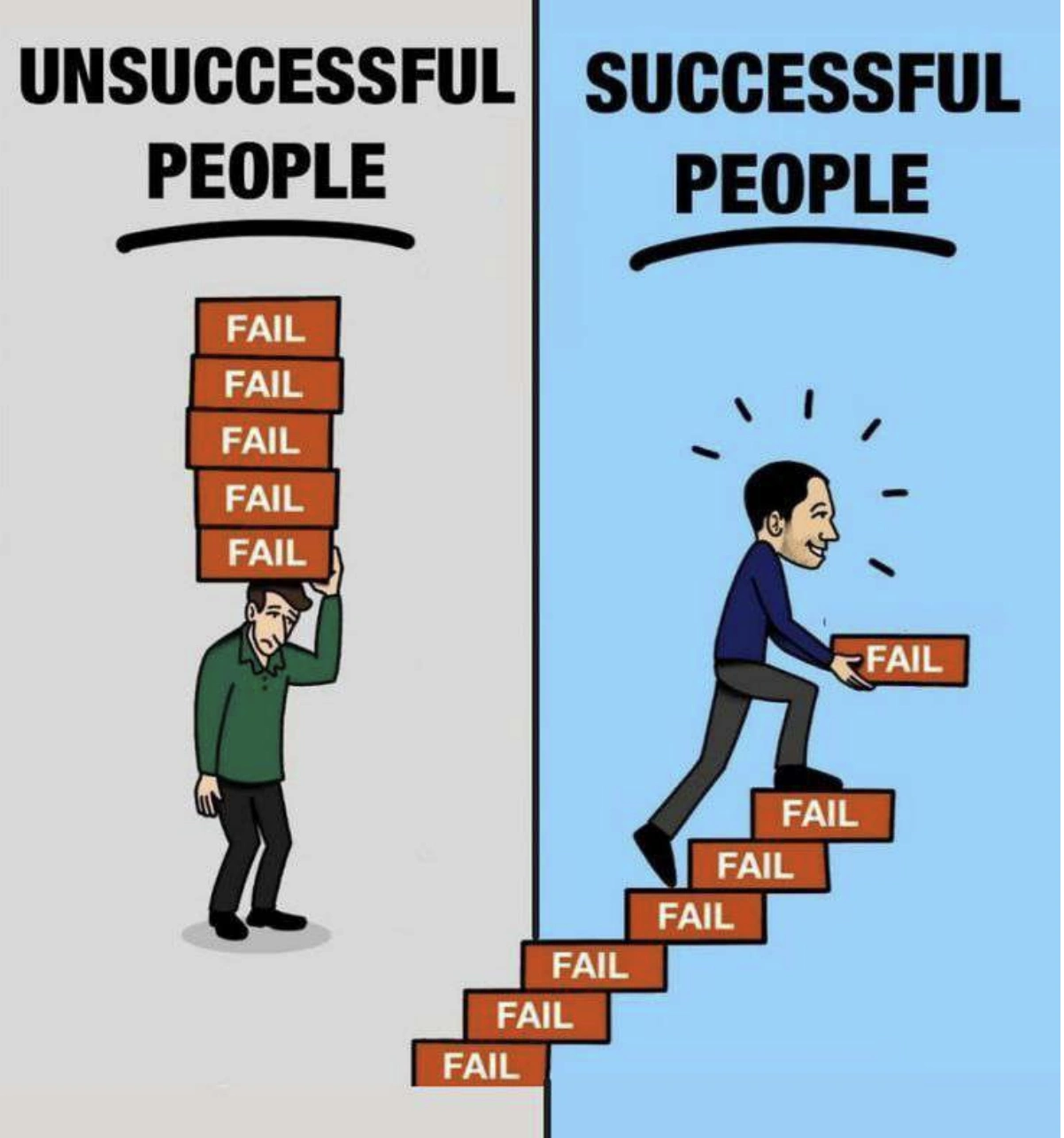
Step by Step, Brick by Brick
The analogy of a company having the "DNA" of its founders highlights the profound influence that a founder's values, vision, and personality have on the early development and long-term trajectory of a business. In essence, the "DNA" analogy underscores the lasting impact that founders have on their companies. It highlights the importance of aligning personal values with business goals and recognizing that early decisions can have long-term consequences. Here's a breakdown of why this concept resonates and how it shapes startups:
Why the "DNA" Analogy Works:
- Initial Vision and Values:
- Founders typically establish the core purpose and guiding principles of their companies. These early values become deeply ingrained in the company's culture.
- Their personal beliefs about work ethic, customer service, innovation, and ethical conduct set the tone for how the business operates.
- Early Culture and Practices:
- In the formative stages of a startup, founders are heavily involved in every aspect of the business. Their direct influence shapes hiring decisions, operational procedures, and communication styles.
- These early practices become the foundation of the company's culture, which can be difficult to change as the business grows.
- Decision-Making and Risk Tolerance:
- A founder's approach to decision-making and risk-taking significantly impacts the company's strategic direction.
- Whether they are cautious and conservative or bold and innovative, this approach becomes part of the company's operational DNA.
- Influence on Employees:
- Early employees are often drawn to a founder's vision and personality. They absorb the founder's values and become ambassadors of the company's culture.
- This creates a ripple effect, where the founder's DNA is passed on to subsequent hires, perpetuating the company's unique identity.
How This Shapes Early Startups:
- Culture Formation:
- The founder's personality directly influences the company's work environment. This can range from a collaborative and open culture to a hierarchical and competitive one.
- Early hires often reflect the founders personality traits.
- Strategic Direction:
- A founder's vision determines the company's products, services, and target market. Their passions and expertise guide the company's strategic choices.
- Hiring and Talent Acquisition:
- Founders tend to hire people who share their values and complement their skills. This creates a team that is aligned with the company's core principles.
- Investor Perception:
- Investors often assess a startup's potential based on the founder's character and track record. They recognize that a strong founder can drive a company's success.
- Setting the pace:
- Start ups often require very high levels of work, and dedication. The founders work ethic, therefore sets the pace for the early employees.
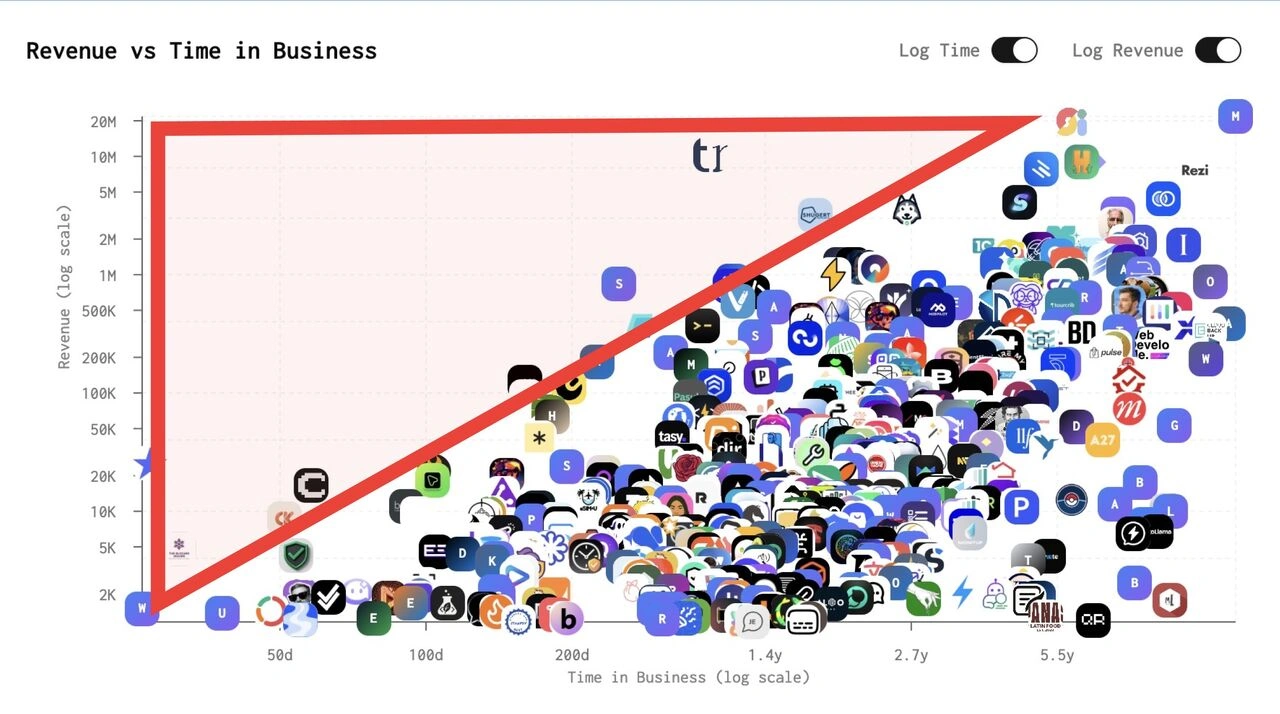
VCs hurt companies not help them
AI