Bootstrap Funding
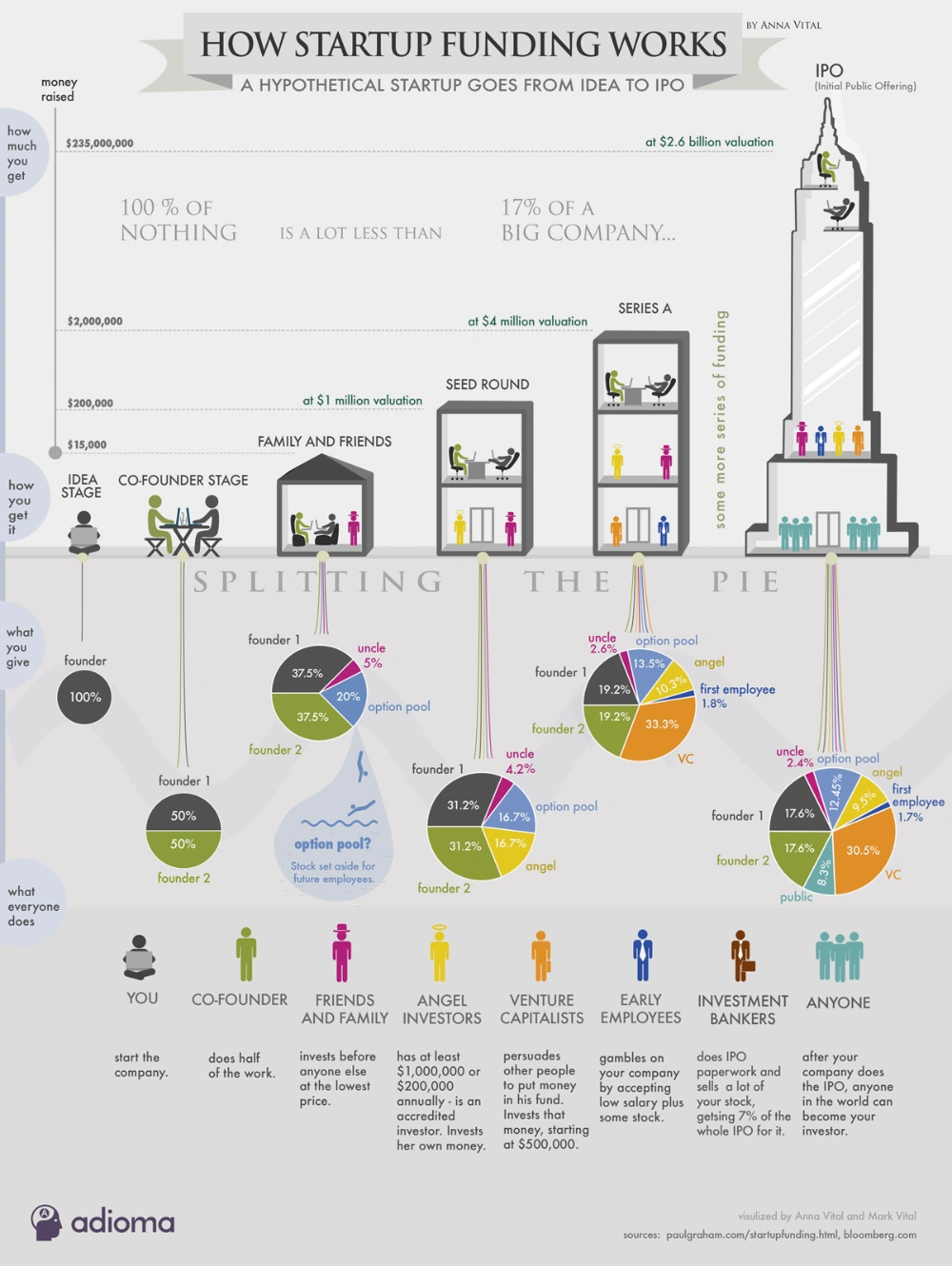
- Bootstrapping means starting a business with little to no external funding. It's a common strategy for entrepreneurs who want to maintain full control of their company and avoid the potential pitfalls of outside investors.
- Funding through bootstrapping means that you will be relying primarily on your own personal savings and revenue generated by the business itself to finance its development and growth. Here are a few steps you can take to fund your business through bootstrapping:
Start with a solid business plan: Before you begin developing your business, create a comprehensive business plan that outlines your goals, target market, revenue streams, and marketing strategy. This will help you stay focused and on track as you develop your app.
Create a minimum viable product (MVP): Rather than investing a lot of time and money into creating a fully-featured app, focus on creating a MVP that includes only the most essential features. This will allow you to launch your app more quickly and start generating revenue sooner.
Use free or low-cost tools: There are many free or low-cost tools available that can help you develop and market your app. For example, you can use free design tools like Canva or Sketch to create your app's user interface, or use social media platforms to market your app and build your audience.
Leverage your network: Reach out to your personal and professional network to help spread the word about your app. Ask for feedback and support, and consider offering incentives for referrals or for sharing your app on social media.
Consider monetization strategies: There are several ways to generate revenue from, such as in-app purchases, advertising, or subscriptions. Consider which monetization strategy is best suited for your app and target market.
Reinvest revenue wisely: As your app generates revenue, reinvest that money back into the business to fund further development and growth. Be strategic about how you allocate your resources, and focus on the areas of your business that will have the greatest impact on your growth.
IDEAS
- sticker donations, company takes a royalty, the rest goes to the creator
Cons of Investors
it’s time to ditch “founder mode” for “customer mode” — a more sustainable, customer-first approach that beats the growth-at-all-costs mentality.
Bootstrapping an LLC: A Guide to Starting with Minimal Investment

key strategies to consider when bootstrapping your LLC
1. Capital Contribution: Funding from Founders
- Definition: Capital contribution is the initial investment made by the founders of the LLC. This can include cash, equipment, or other assets.
- Considerations:
- Fairness: Ensure contributions are proportional to each founder's ownership stake.
- Legal agreements: Document the capital contributions to avoid future disputes.
- Diversification: Consider having multiple founders contribute to reduce risk.
2. Creative Financing Strategies:
- Bartering: Exchange goods or services for others.
- Crowdfunding: Explore platforms like Kickstarter or GoFundMe.
- Grants and loans: Research government and non-profit funding opportunities.
3. Minimalist Approach:
- Keep overhead low: Minimize expenses on rent, equipment, and salaries.
- Focus on core activities: Prioritize essential tasks and outsource non-core functions.
- Maximize efficiency: Use technology and automation to streamline operations.
4. Building a Strong Network:
- Networking events: Attend industry conferences and meetups.
- Online communities: Participate in forums and social media groups.
- Mentorship: Seek guidance from experienced entrepreneurs.
5. Profitability from the Start:
- Revenue generation: Focus on generating income as soon as possible.
- Pricing strategy: Set competitive prices that cover costs and generate profits.
- Cost control: Continuously monitor expenses and identify areas for savings.