Lead Generation
Lead generation is the process of identifying and attracting potential customers for your business. lead generation is an continuous process that requires consistent effort and attention.
Table of Contents
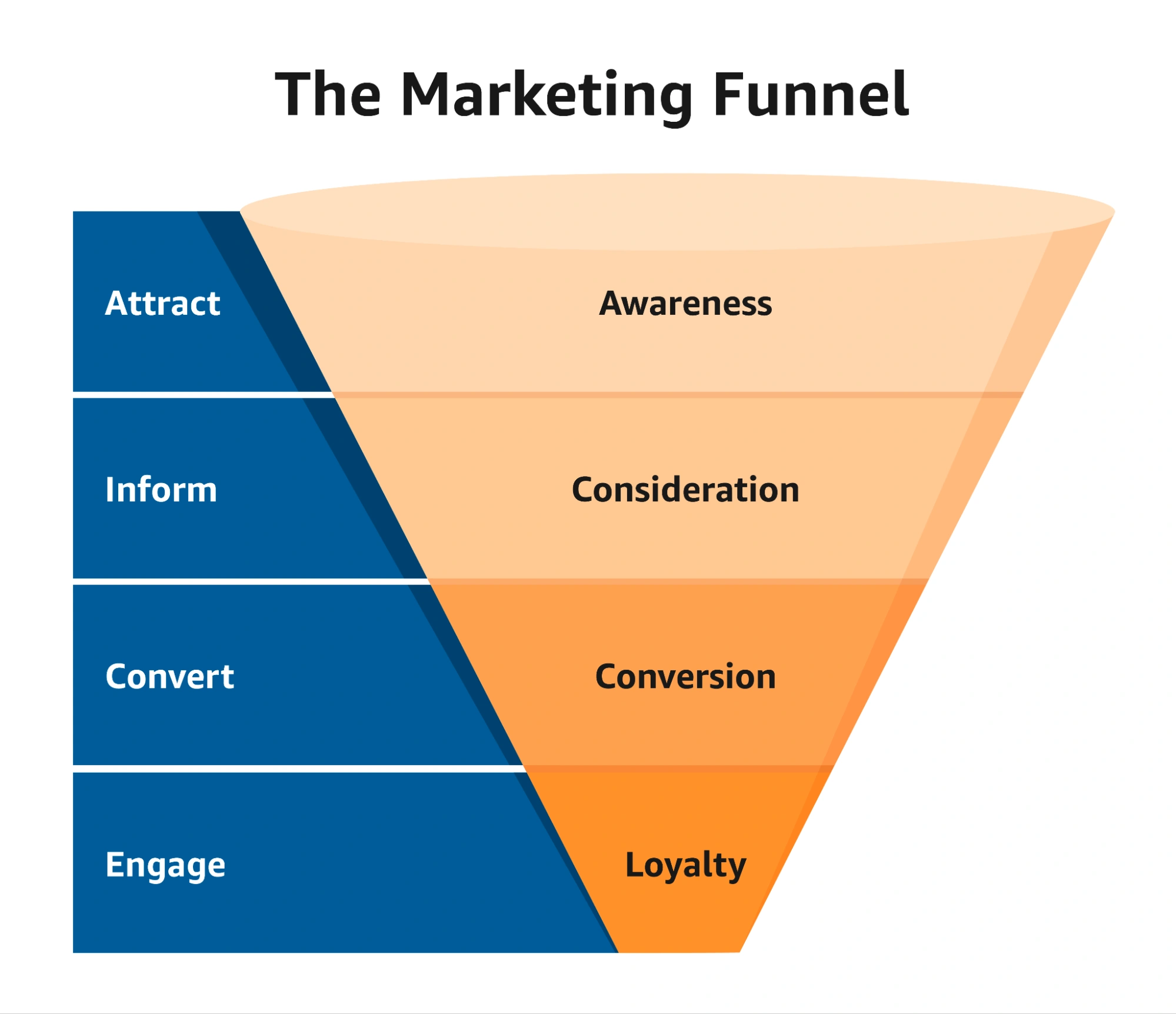
- Define your target audience: Identify the people who are most likely to be interested in your products or services. This will help you create a more targeted and effective lead generation strategy.
- Offer valuable content: Create content that provides value to your target audience. This can include blog posts, whitepapers, e-books, webinars, and other types of content that are informative and useful.
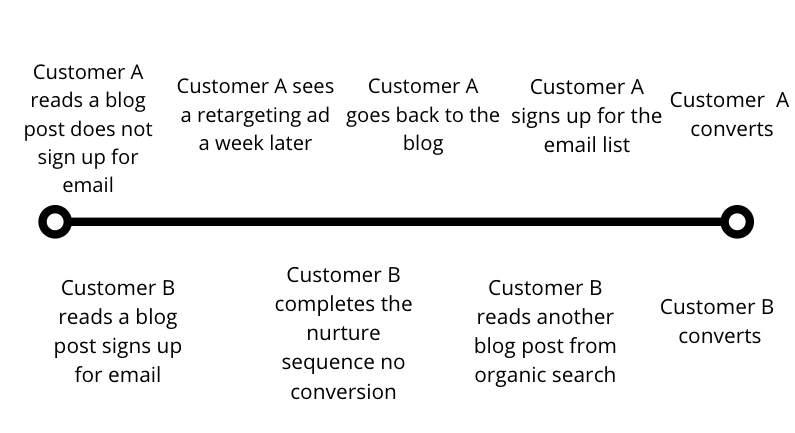
- Use social media: Social media platforms like LinkedIn, Twitter, and Facebook can be great tools for generating leads. Share your content on these platforms and engage with your audience to build relationships and attract potential customers.
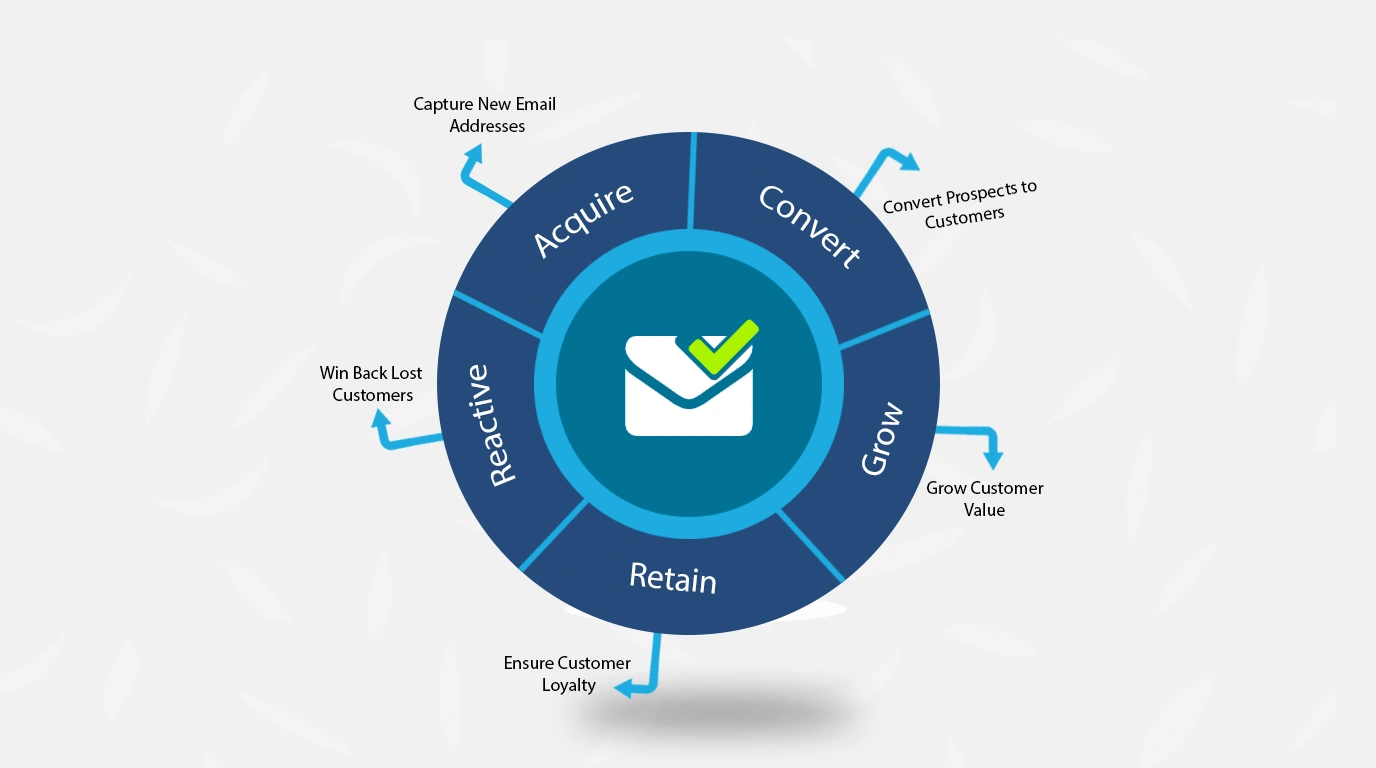
- Use email marketing: Email marketing is a highly effective way to reach out to potential customers and nurture leads. Use targeted email campaigns to provide value and build trust with your audience.
- Optimize your website: Your website should be optimized for lead generation, with clear calls-to-action and forms that make it easy for visitors to contact you or provide their information.
- Use paid advertising: Paid advertising can be an effective way to generate leads quickly. Consider using platforms like Google Ads or Facebook Ads to reach your target audience and drive traffic to your website.
- Attend events: Attending relevant industry events can be a great way to network and generate leads. Be sure to have a plan in place for following up with potential customers after the event.
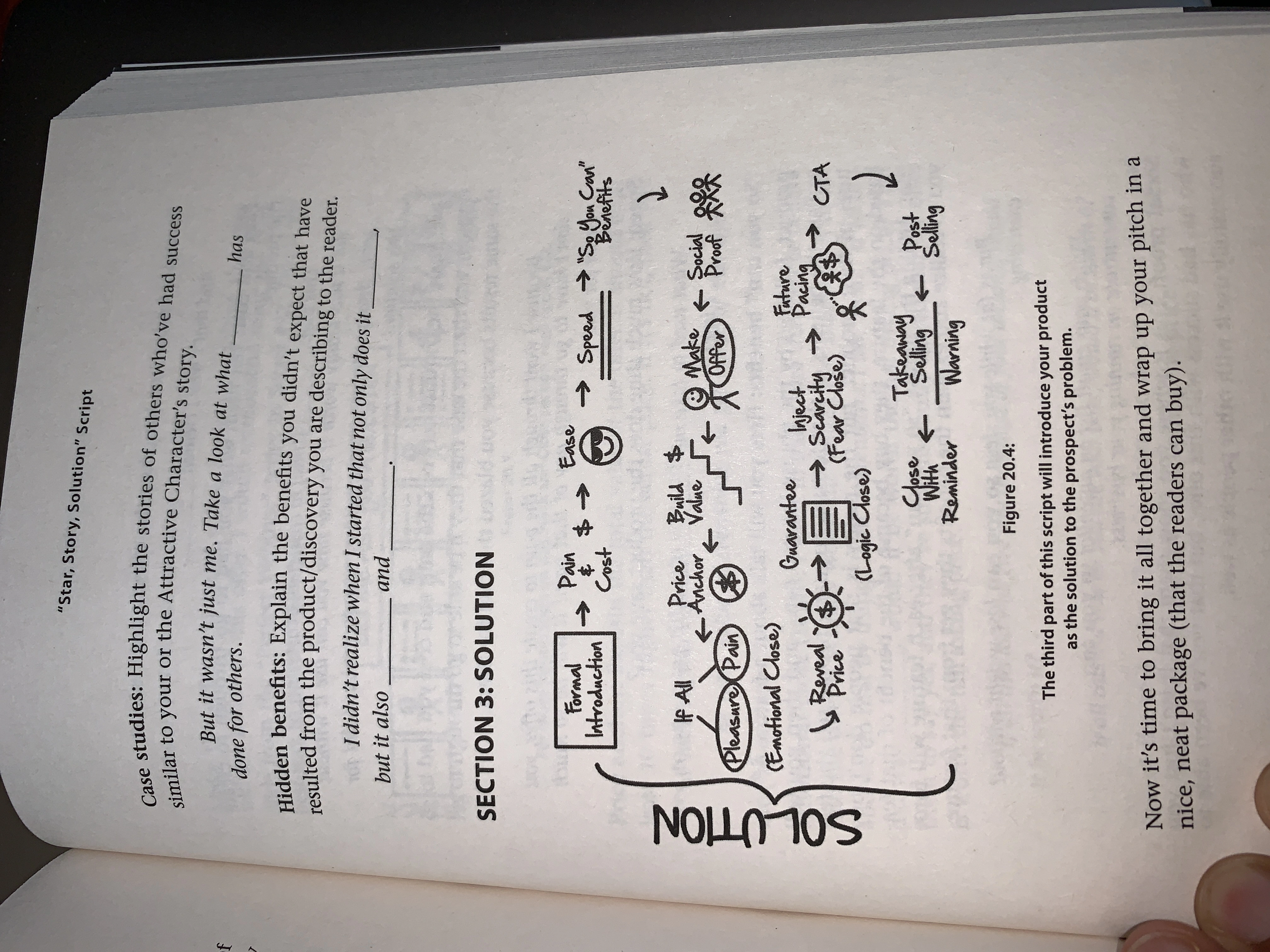
- Create a lead magnet: A lead magnet is a valuable piece of content that you offer in exchange for a potential customer's contact information. Examples of lead magnets include e-books, whitepapers, checklists, and free trials. By offering something of value, you can attract more leads and build your email list.
- Use landing pages: A landing page is a dedicated page on your website that is designed to capture a visitor's contact information. Use clear and compelling headlines, benefit-oriented copy, and a strong call-to-action to encourage visitors to provide their information.
- Leverage customer referrals: Referrals from satisfied customers can be a powerful source of leads. Encourage your current customers to refer their friends and colleagues, and offer incentives or rewards for successful referrals.
- Use retargeting ads: Retargeting ads are ads that are shown to people who have already visited your website or interacted with your brand in some way. By targeting these warm leads, you can increase the likelihood of conversion and generate more leads.
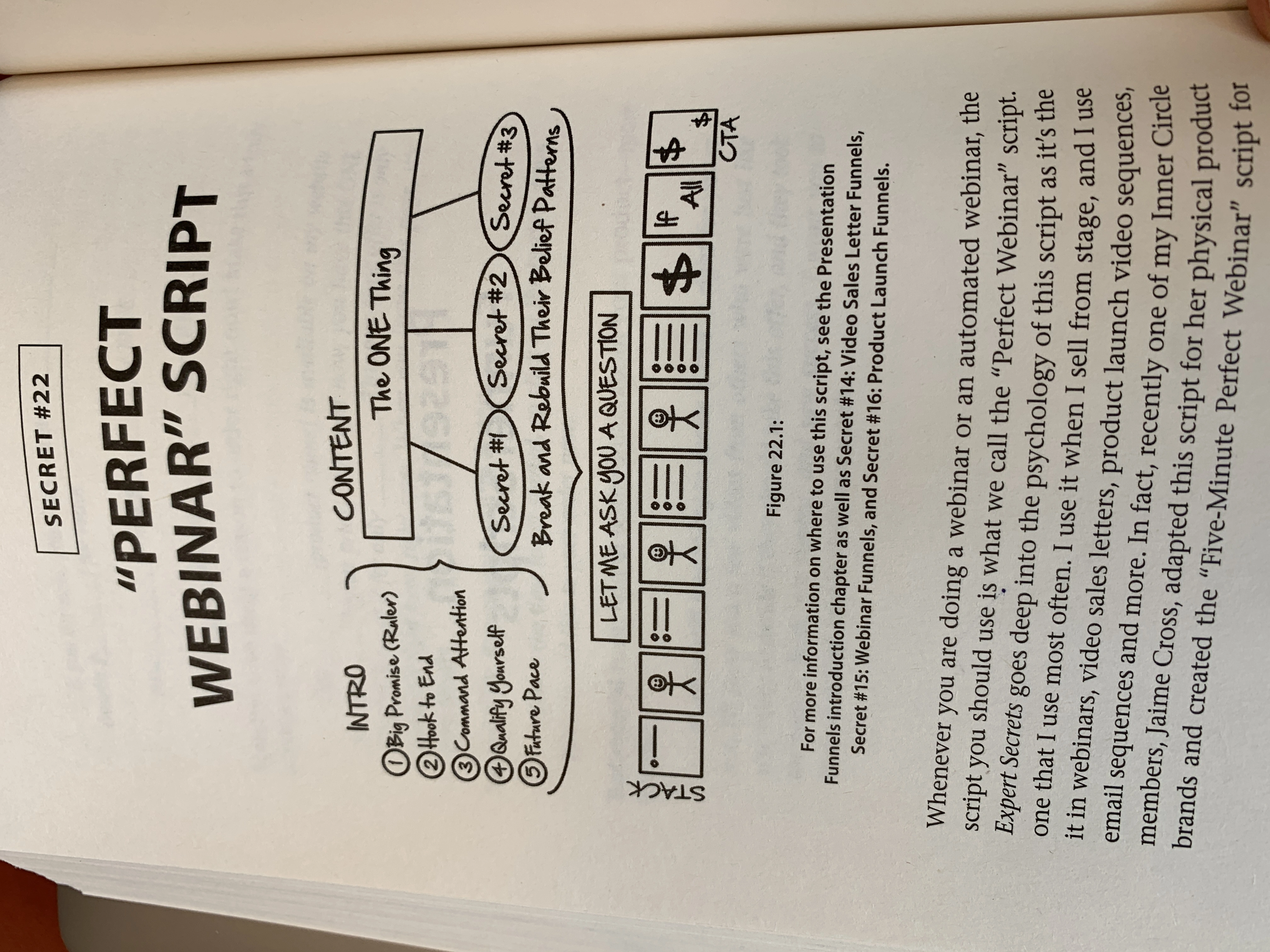
- Use webinars: Webinars are online seminars that provide valuable information and education to your target audience. By offering a free webinar, you can attract potential customers and build trust and credibility.
- Use chatbots: Chatbots can help you capture leads and provide customer support. By using a chatbot on your website or social media channels, you can engage with potential customers and answer their questions in real-time.
- Measure and analyze your results: It's important to track your lead generation efforts and analyze the results. Use tools like Google Analytics to track website traffic, conversion rates, and other metrics. This will help you identify what's working and what's not, and make adjustments to improve your results.
Lead Gen / Prospecting
Lead generation and prospecting are both important aspects of the sales process, but they refer to different stages of the process.
Lead generation is the process of identifying potential customers, or leads, who have expressed interest in your product or service. These leads may have filled out a contact form on your website, subscribed to your newsletter, or engaged with your social media content. The goal of lead generation is to capture the contact information of potential customers so that you can begin to nurture the relationship and move them further down the sales funnel.
Prospecting, on the other hand, is the process of identifying potential customers who may be interested in your product or service, but who have not yet expressed interest. Prospecting involves research and outreach to identify and connect with potential customers who fit your ideal customer profile. The goal of prospecting is to initiate a conversation with potential customers and generate interest in your product or service, with the ultimate goal of converting them into paying customers.
In summary, lead generation is focused on capturing the contact information of potential customers who have already expressed interest, while prospecting is focused on identifying and connecting with potential customers who have not yet expressed interest. Both lead generation and prospecting are important components of the sales process and require a targeted and personalized approach to be effective.
Lead generation is typically considered a marketing activity, although it can also involve some sales activities.
Marketing teams are responsible for generating awareness and interest in a company's products or services, and lead generation is one of the key tactics they use to achieve this. Marketing teams use a variety of channels and tactics to generate leads, such as email marketing, content marketing, social media advertising, and search engine optimization (SEO).
That being said, lead generation also involves some sales activities, such as lead qualification and lead nurturing. Once a lead is generated, it needs to be qualified to determine if it is a good fit for the company's products or services. This may involve asking questions to determine the lead's needs and budget, and assessing their level of interest and readiness to buy.
Once a lead is qualified, it needs to be nurtured through the sales funnel, which may involve follow-up emails, phone calls, or product demos. The goal of lead nurturing is to build a relationship with the lead and provide them with the information and support they need to make a purchase decision.
In summary, while lead generation is primarily considered a marketing activity, it often involves some sales activities as well, particularly in the areas of lead qualification and lead nurturing.
the seven phases
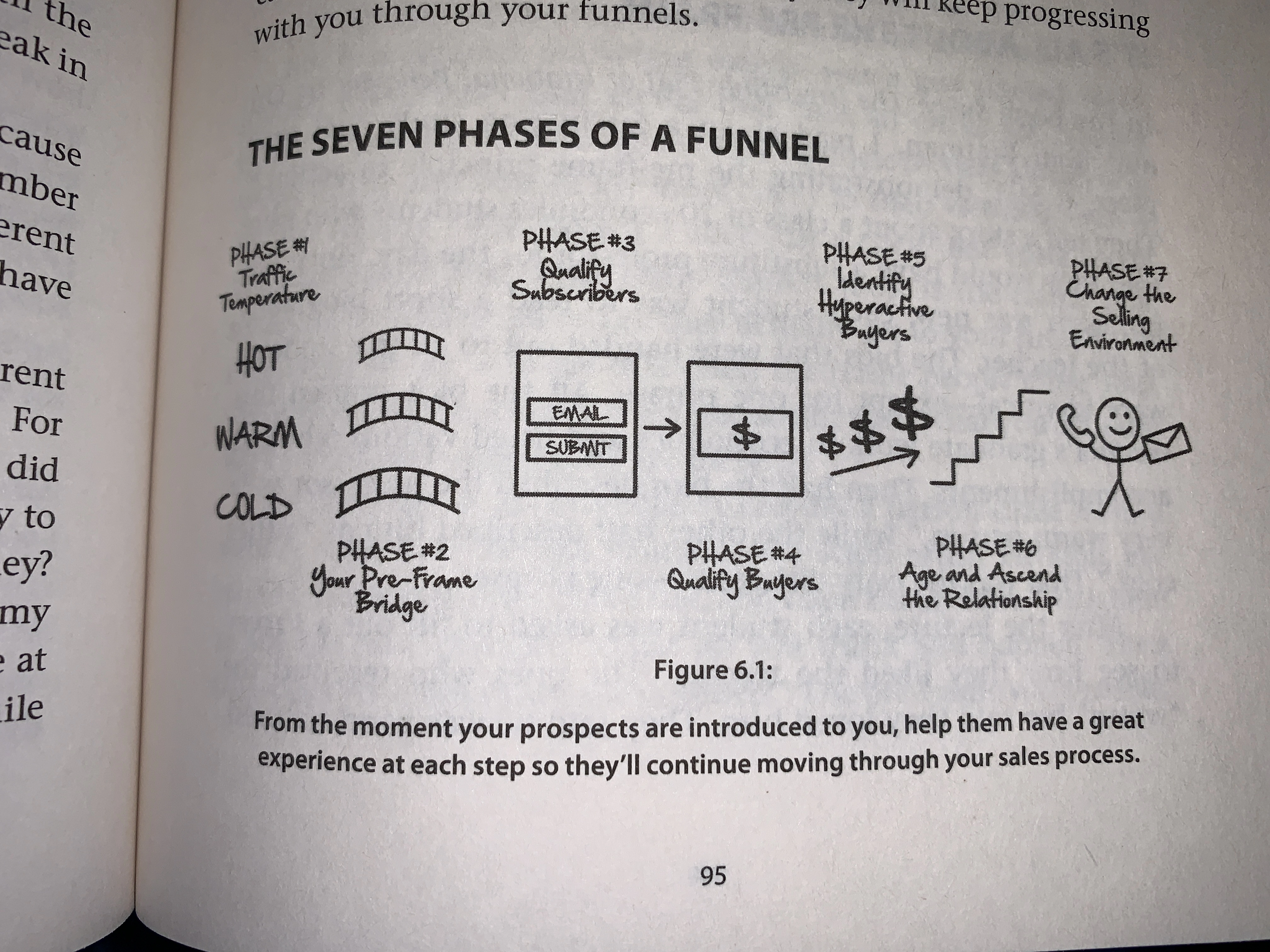
with the often tent to your eat the most? Are you changing the specially tailored experience?
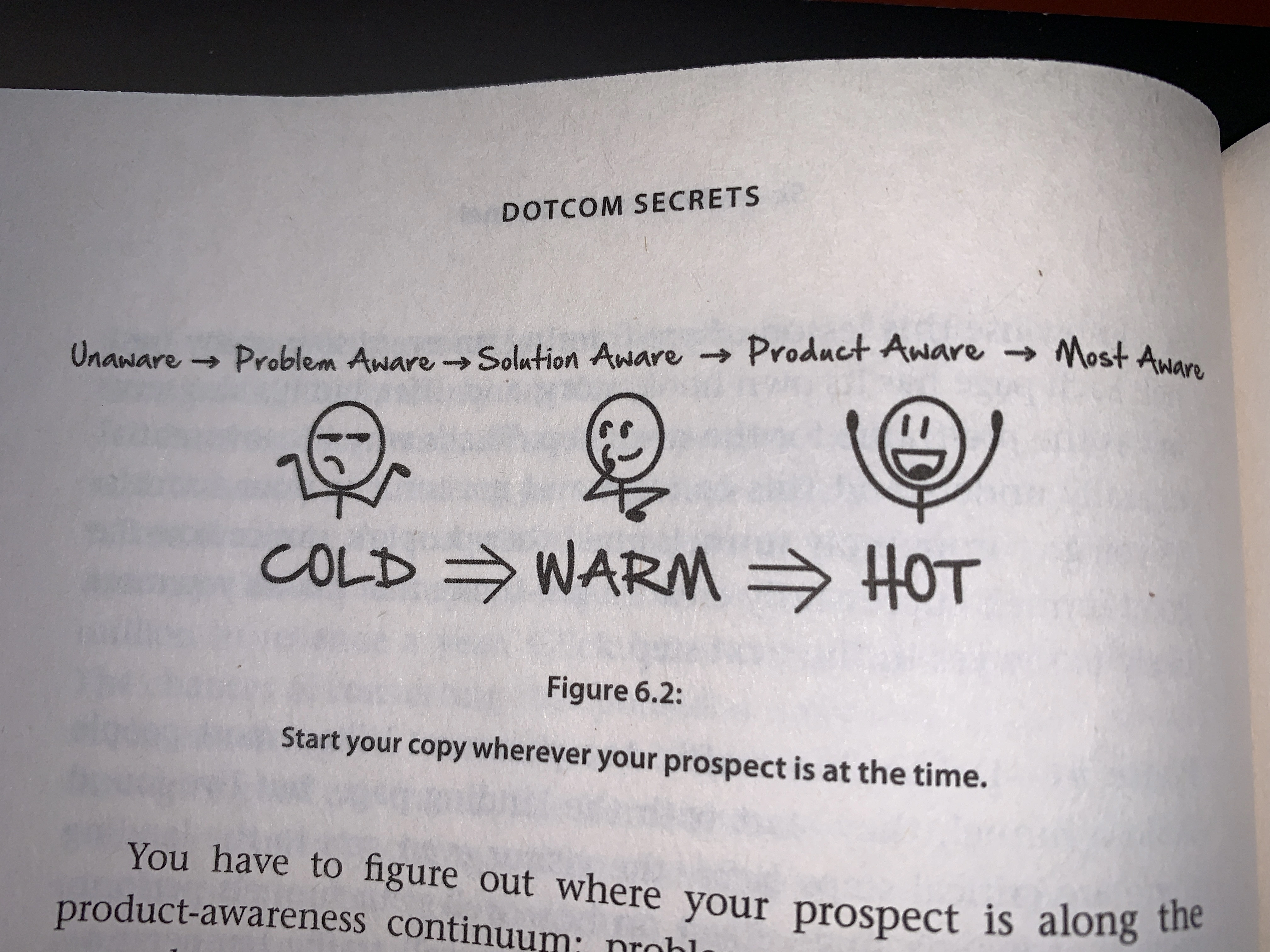
Phase #1 - Determine traffic temperature: Are the people you are sending into this funnel hot, warm, or cold traffic?
Phase #2-Set up the pre-frame bridge: Based on the type of traffic you're sending, what type of pre-frame bridge do you need to create?
Phase #3--Qualify subscribers: Who of all your visitors are willing to give you their email address in exchange for your free offer?
Phase #4-Qualify buyers: Who of all your subscribers are willing to give you their credit card in exchange for your first premium offer?
Phase #5-Identify hyperactive buyers: Who are the people who are willing to spend more money now to solve their problems?
Phase #6-Age and ascend the relationship: Now that I have their contact information, how do I build their relationship with the Attractive Character?
Phase #7-Change the selling environment: How can I move them up my value ladder by taking them outside of just my online funnels?
Now that you've seen the overall strategy of how we take our customers through our funnels, I want to talk about a second type of funnel that we call a follow-up funnel.
- phone
- freelance portals
- website’s request quote form
- Compelling call to actions
- Progress tracking
- Optimization through experimentation
- Landing page conversions
- A lot of forms for conversion
- Comment tracking
- Track visitors, conversions, and resulting conversion rate
- Nurture leads
Hot Leads Cold Leads Email Marketing potential client list Start with directories
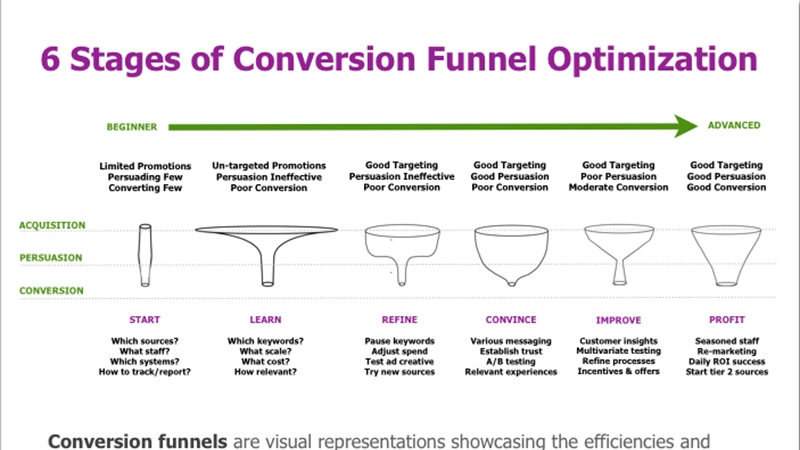
Sales Funnel
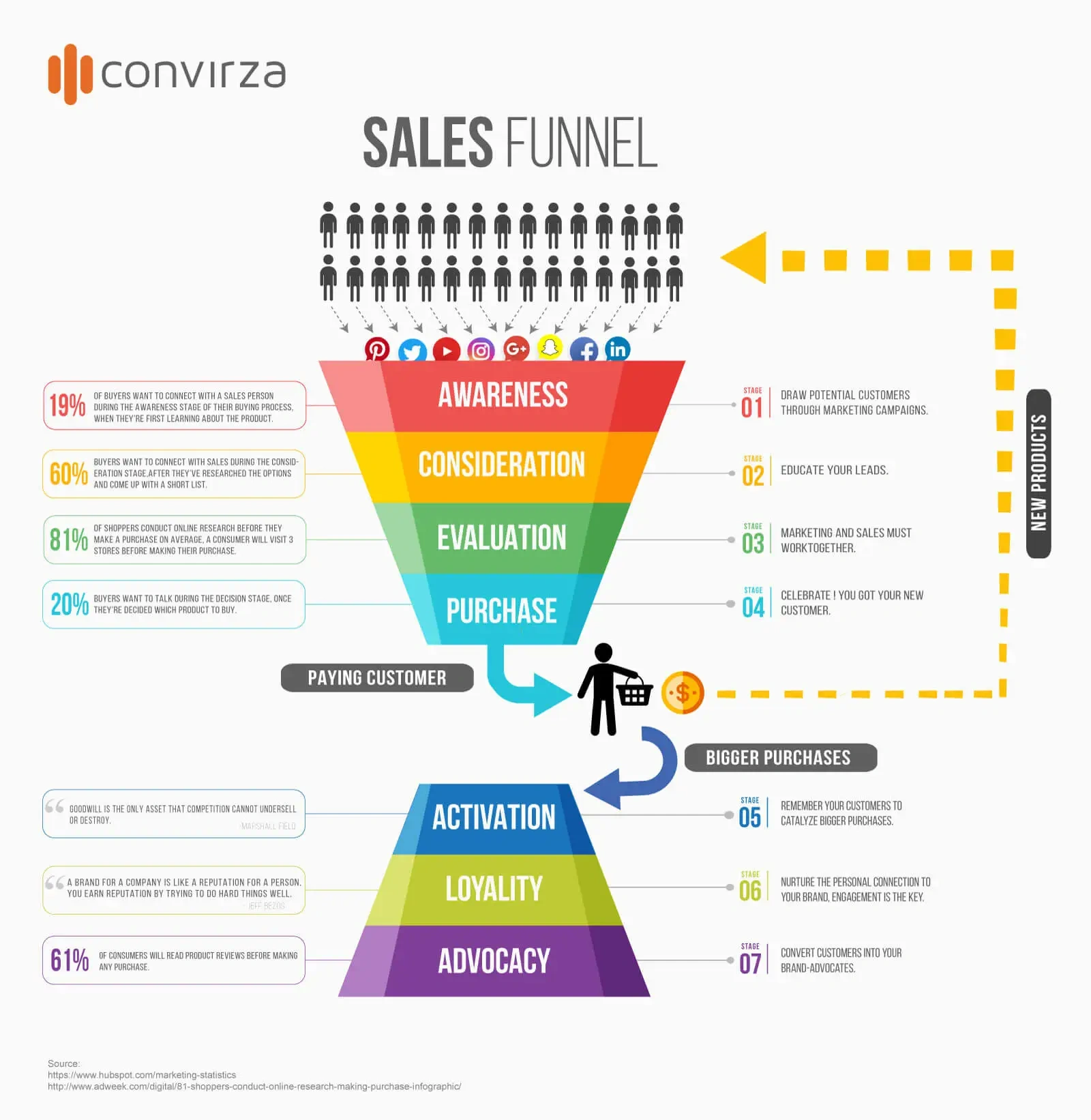
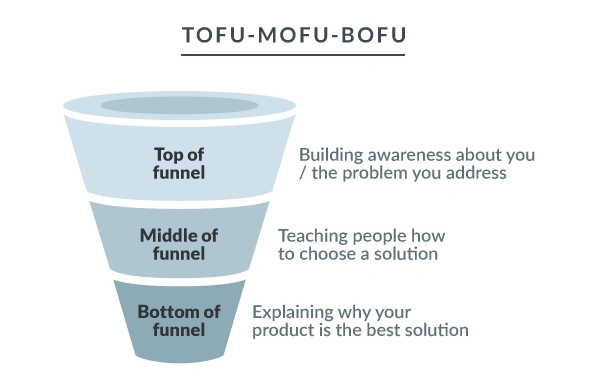
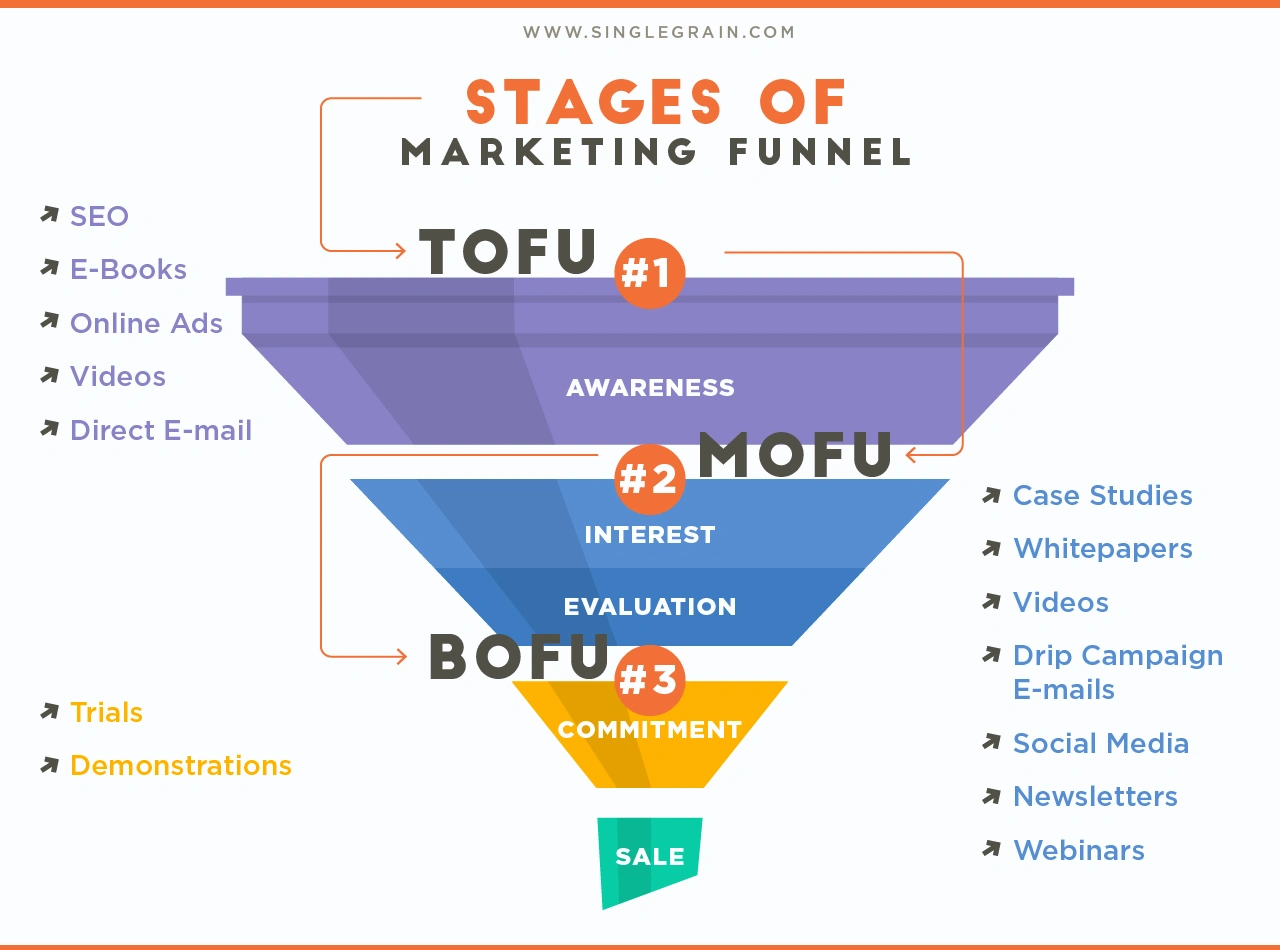
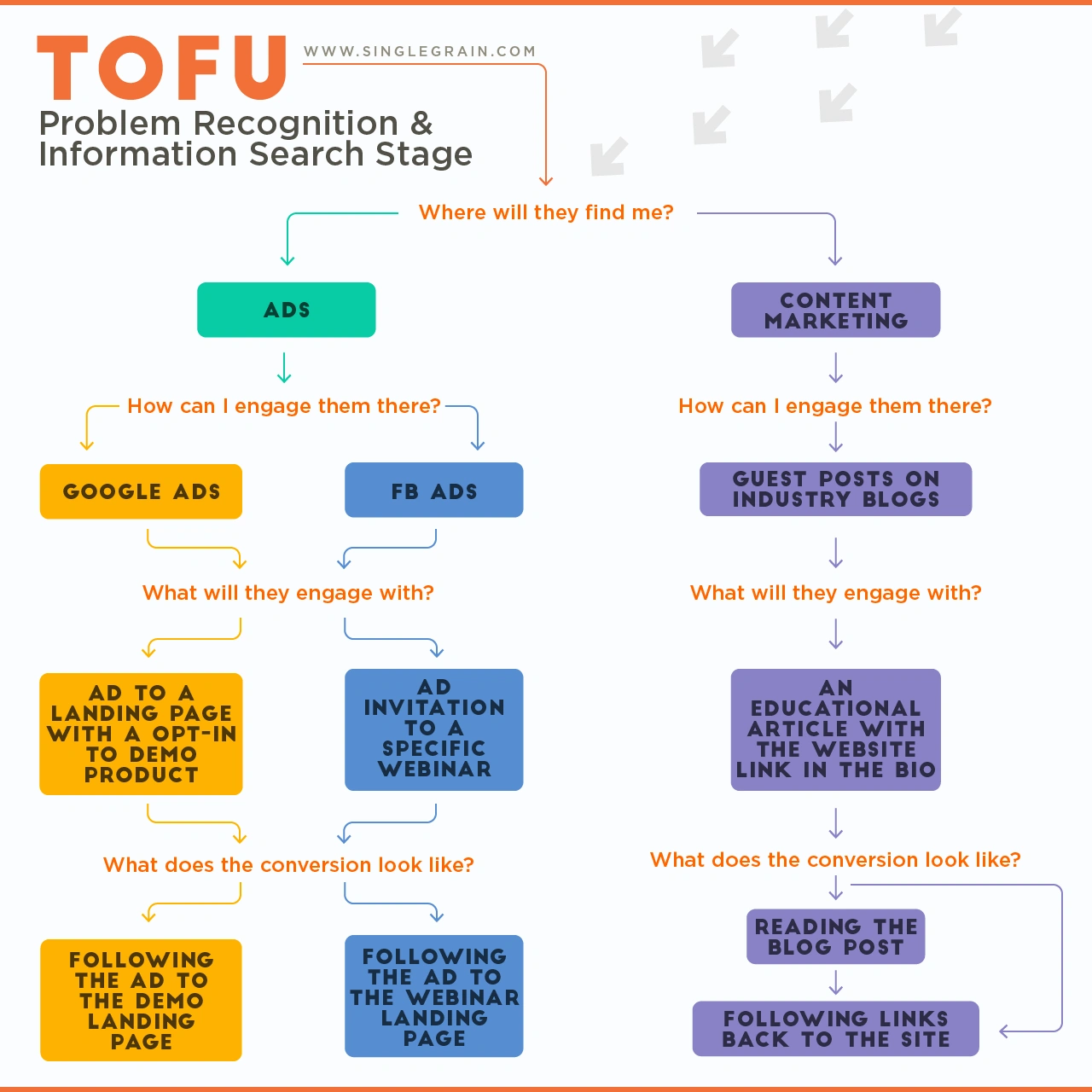
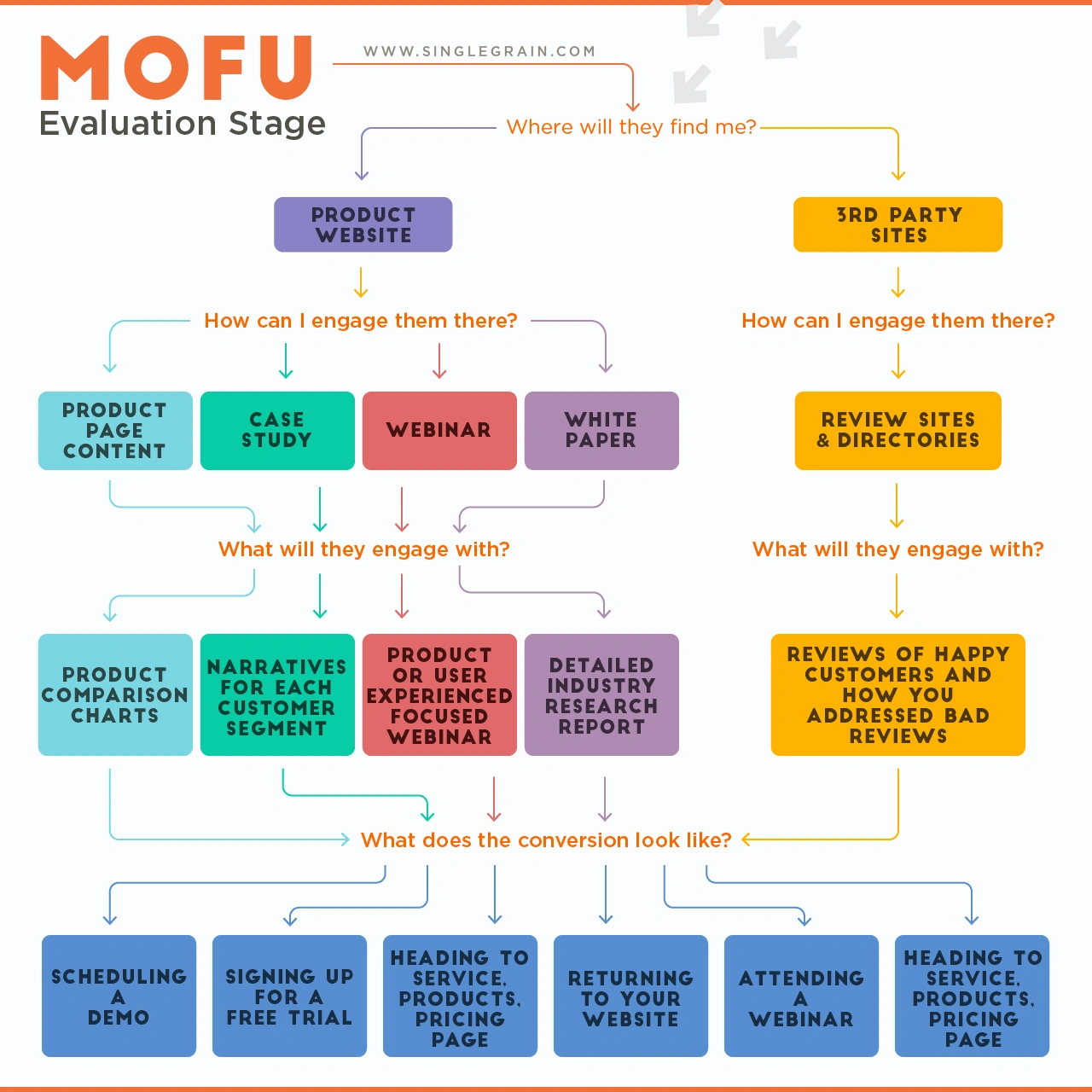
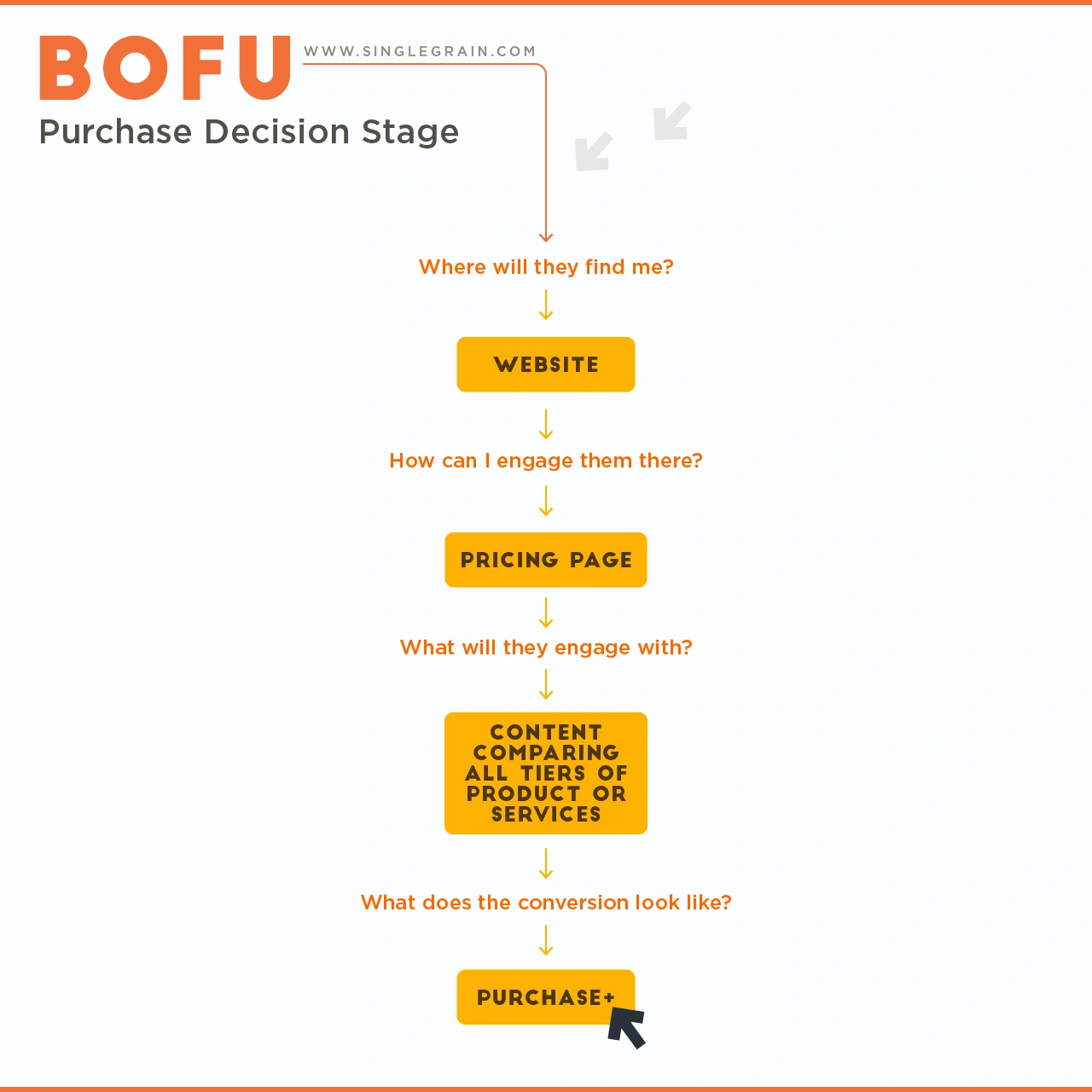
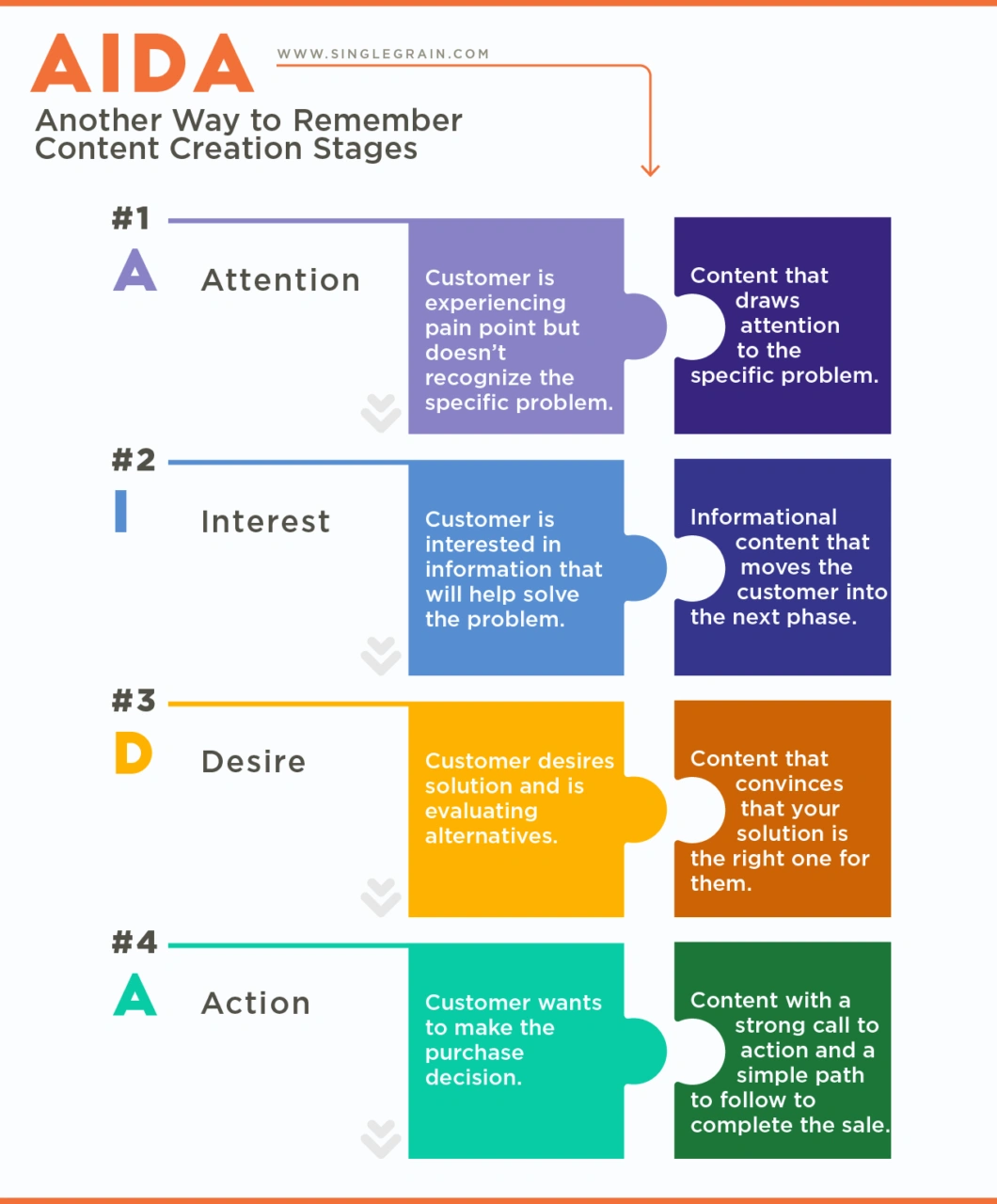
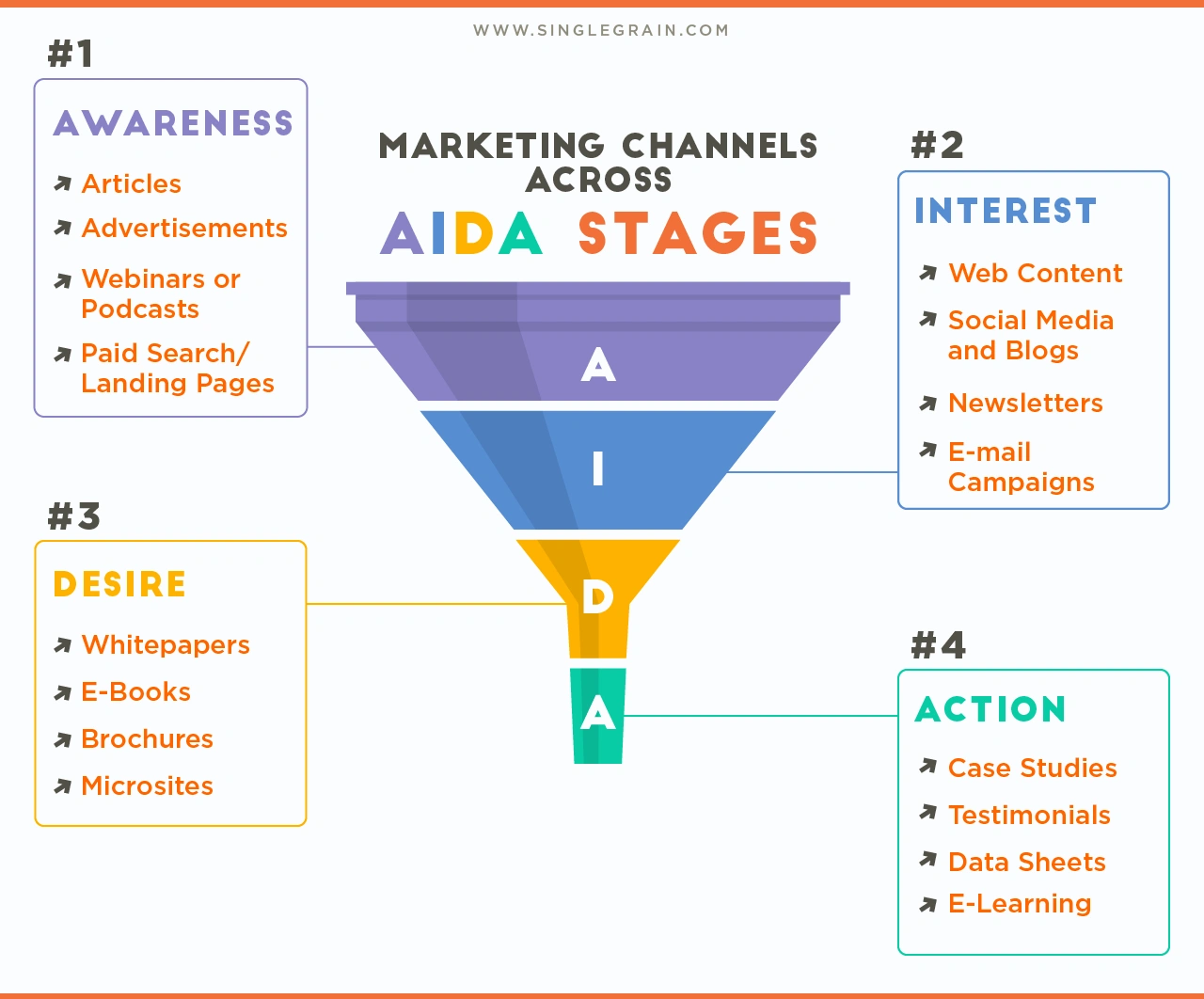
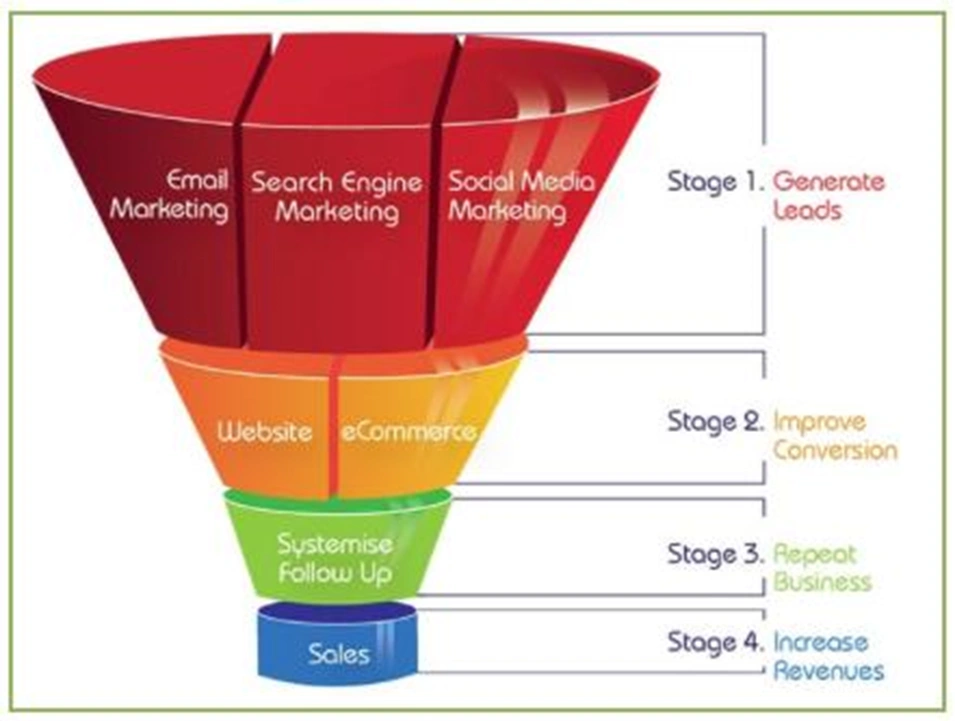
The sales funnel is a visual representation of the customer journey from initial awareness of your product or service to the final purchase. It typically consists of several stages, each of which represents a different step in the customer's decision-making process. Here are the common stages of a sales funnel:
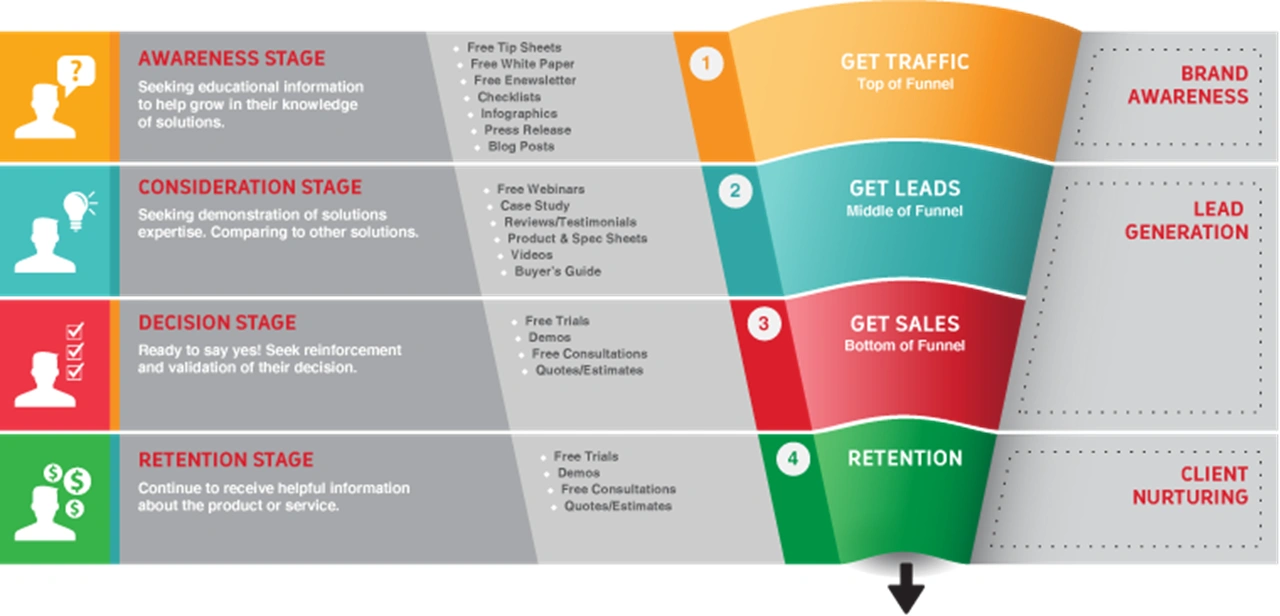
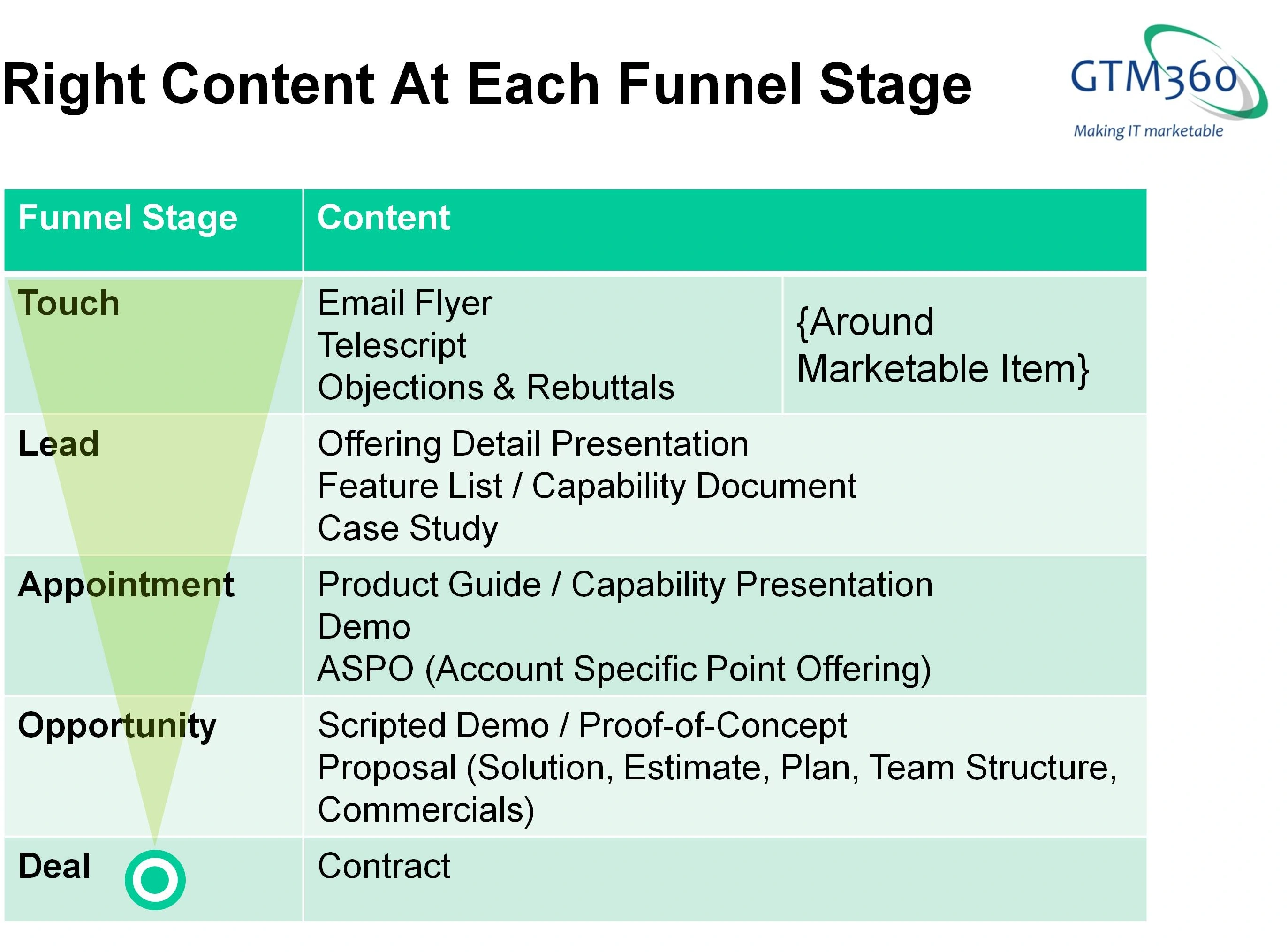
Awareness: This is the first stage of the funnel, where potential customers become aware of your product or service. This can happen through advertising, content marketing, social media, or other forms of outreach.
Interest: At this stage, potential customers have shown some interest in your product or service. They may have visited your website, engaged with your social media content, or signed up for your email list.
Decision: In the decision stage, potential customers are actively considering whether to purchase your product or service. They may be comparing your offering to competitors and weighing the benefits and drawbacks.
Action: The action stage is where the potential customer makes the decision to purchase your product or service. This can involve placing an order, signing a contract, or taking some other action that results in a sale.
Retention: After the sale is made, the retention stage is where you focus on keeping the customer engaged and satisfied. This can involve follow-up emails, customer service, and other efforts to build a long-term relationship with the customer.
Loyalty/Advocacy: The final stage of the funnel is advocacy, where satisfied customers become advocates for your brand. They may leave positive reviews, refer friends and family, or share your content on social media.
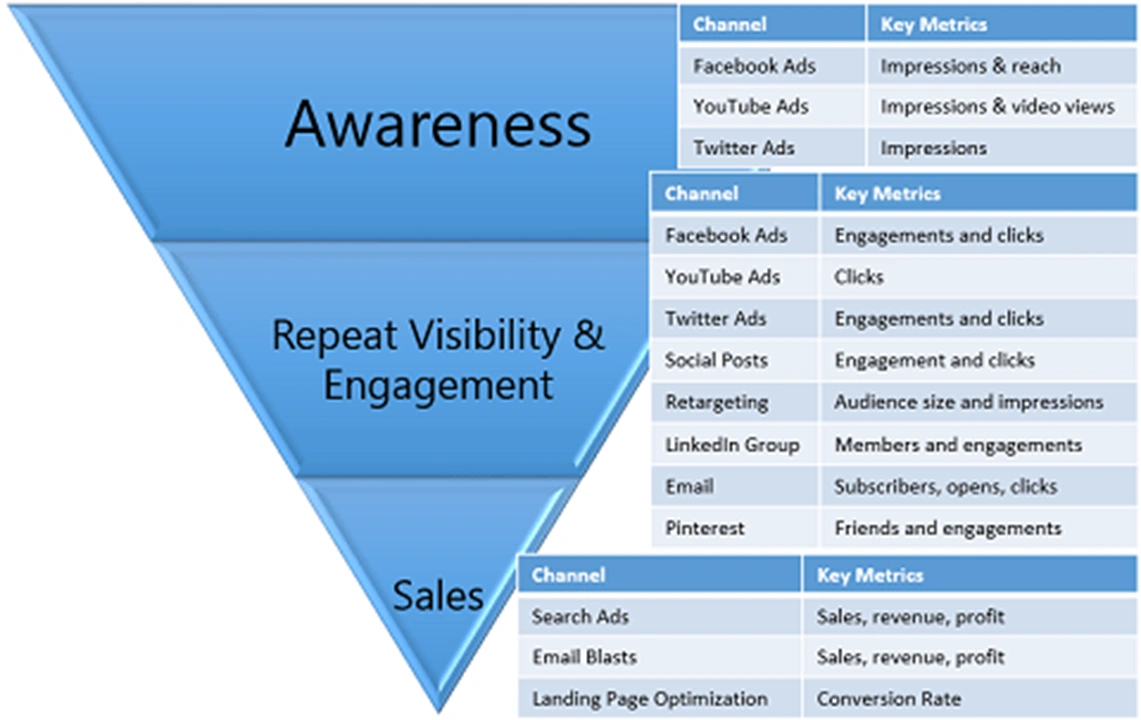
It's important to note that not all customers will move smoothly through each of these stages. Some may drop out of the funnel at any point, while others may take longer to make a decision. By understanding the stages of the sales funnel and optimizing each step of the process, you can increase the likelihood of converting potential customers into loyal customers.
Related Marketing Images