Customer Service
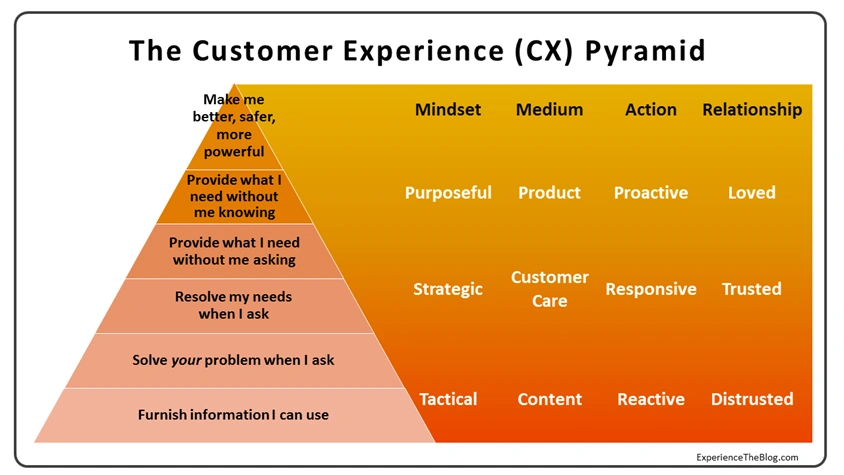
For example, you could be a freelance web designer but fail to stay on track with deadlines, fail to communicate project status updates, or neglect to go the extra mile for your client where possible. As a result, you deliver a subpar experience, even if the product is what they paid for and expected. This ruins a prime opportunity for you to win repeat business from them, and hurts your chances of receiving referrals. Referrals are important because we tend to trust word-of-mouth more than an advert. People usually follow the recommendations of their friends, family, or co-workers, especially if they are raving about how excellent the service and experience was. Always ask yourself, what can I do to make the experience better for my existing clients? What might I be doing now which is ruining their experience with me?
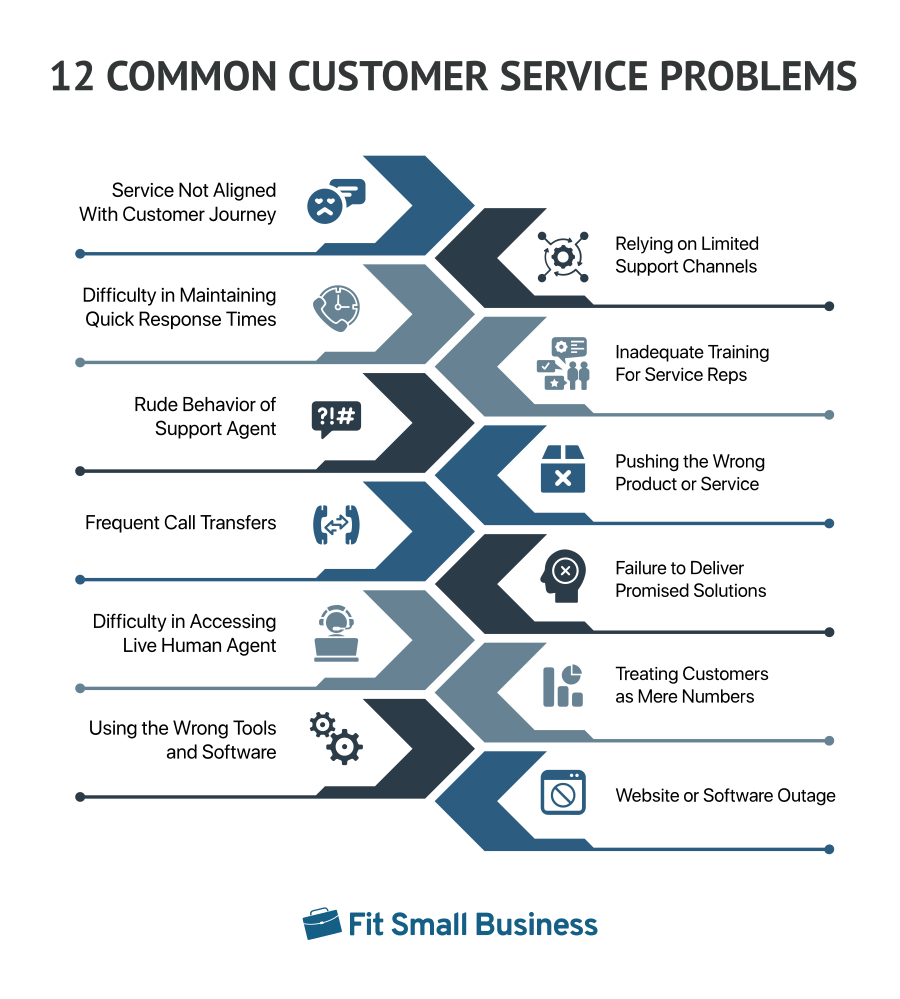
A customer service plan for a digital marketing agency should aim to provide excellent customer service and support throughout the client's experience with the agency. Here are some key elements to consider when creating a customer service plan:

Responding to Inquiries: The digital marketing agency should have a system in place to respond to inquiries quickly and efficiently. This may include having a dedicated email address or phone number for customer inquiries, as well as a response time goal for when clients can expect a reply.
Setting Expectations: The agency should set clear expectations with clients regarding the scope of work, timeline, and project milestones. This will help to manage client expectations and ensure that both parties are on the same page.
Regular Communication: The agency should maintain regular communication with clients throughout the project. This may include weekly or monthly progress updates, as well as regular check-ins to address any questions or concerns the client may have.
Client Onboarding: A well-defined client onboarding process can help ensure that clients are properly onboarded and understand the agency's processes and procedures. This may include a welcome packet, an orientation call, or an in-person visit to the client's office.
Quality Assurance: The agency should have a process in place for quality assurance to ensure that all work meets the agency's standards and the client's expectations. This may include regular reviews of work, client feedback surveys, or internal audits.
Resolving Complaints: The agency should have a process in place for resolving complaints or issues that may arise during the project. This may include a designated point of contact for client complaints or a formal process for submitting and resolving complaints.
Follow-up and Feedback: Following the completion of the project, the agency should follow up with the client to gather feedback and ensure satisfaction. This feedback can be used to improve the agency's processes and services for future clients.
By implementing these elements, a digital marketing agency can provide excellent customer service and support throughout the client's experience with the agency. This will help to build a strong relationship with the client and increase the likelihood of repeat business and referrals.