New Website Project Logistics
Project Logistics
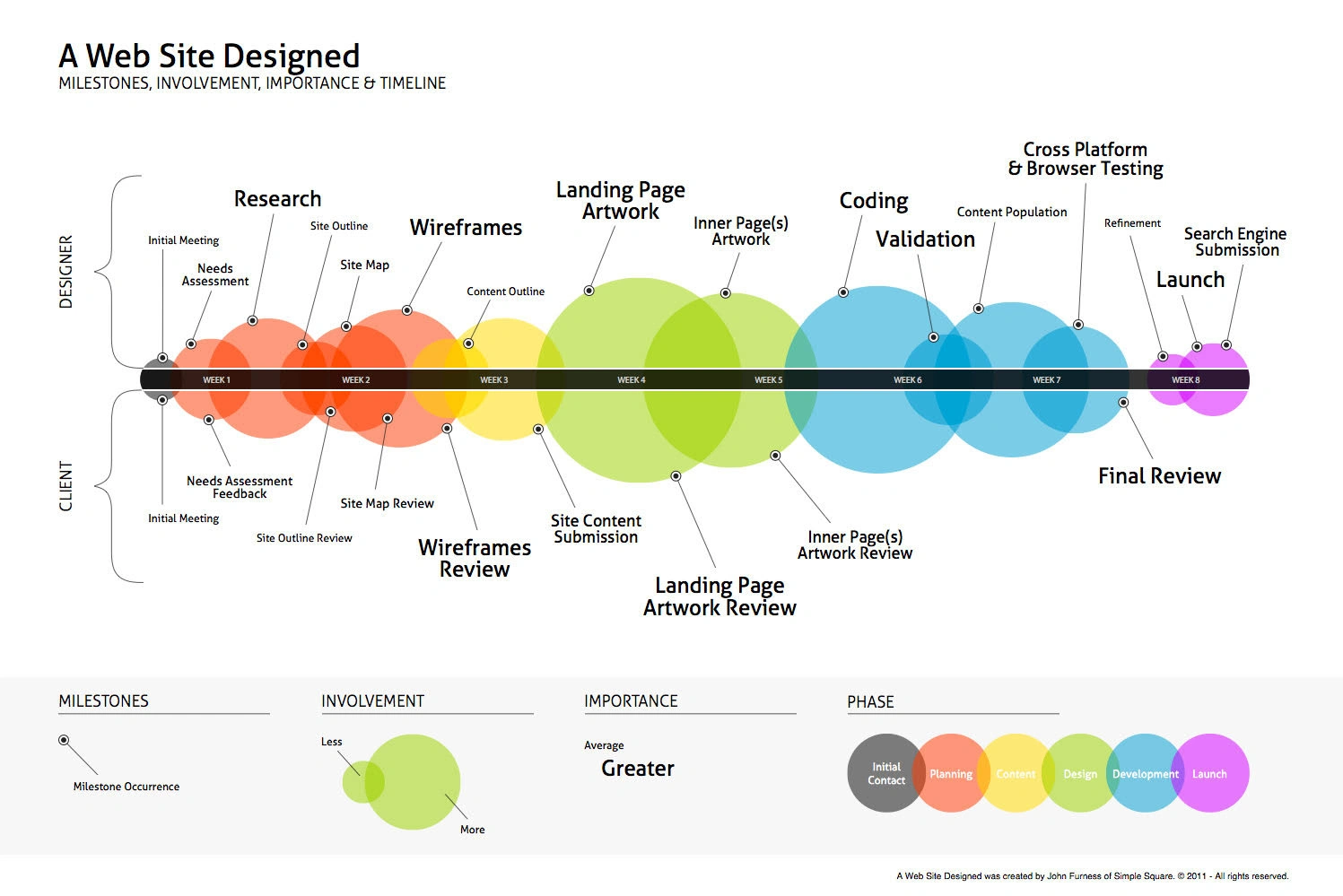
-
Project Scope and Requirements: Clearly define the project scope and gather detailed requirements from the client. This includes determining the website's functionalities, design preferences, content structure, target audience, and any specific technical requirements.
-
Project Timeline and Milestones: Create a project timeline with well-defined milestones and deadlines. Break down the development process into manageable phases, such as design, development, testing, and deployment. This helps track progress and ensures timely completion of the project.
-
Resource Allocation: Determine the necessary resources for the project, including the project team members, developers, designers, content creators, and any external vendors or contractors required. Allocate responsibilities and establish clear lines of communication between team members.
-
Technology and Tools: Identify the appropriate web development technologies, frameworks, and content management systems (CMS) that align with the project requirements and client preferences. Ensure the availability of required licenses, software, and development tools.
-
Content Planning and Management: Establish a content strategy and plan for creating, organizing, and managing the website's content. Determine the content structure, navigation, and any content management system (CMS) or content migration requirements.
-
Design and User Experience (UX): Coordinate the design process, including wireframing, prototyping, and visual design. Collaborate with designers to create an intuitive and visually appealing user interface (UI) that aligns with the client's brand and target audience.
-
Development and Testing: Manage the development process by breaking down tasks, assigning them to developers, and ensuring adherence to coding standards and best practices. Implement a version control system to track code changes and facilitate collaboration. Conduct thorough testing and quality assurance to identify and resolve any bugs or issues.
-
Integration and Deployment: Coordinate the integration of third-party tools or services, such as payment gateways, APIs, or analytics platforms. Plan and execute the deployment process, ensuring a smooth transition from development to the live environment.
-
Communication and Collaboration: Establish effective communication channels and project management tools to facilitate collaboration among team members. Regularly communicate progress updates, address any challenges, and ensure alignment between the client, project manager, and development team.
-
Project Documentation: Maintain comprehensive documentation throughout the project, including requirements, design specifications, technical documentation, and user manuals. This documentation helps ensure knowledge transfer, support future maintenance, and facilitate project handover if required.
-
Maintenance and Support: Plan for ongoing website maintenance, updates, and support after the project completion. Define the scope of post-launch support, service-level agreements (SLAs), and any maintenance retainer agreements.