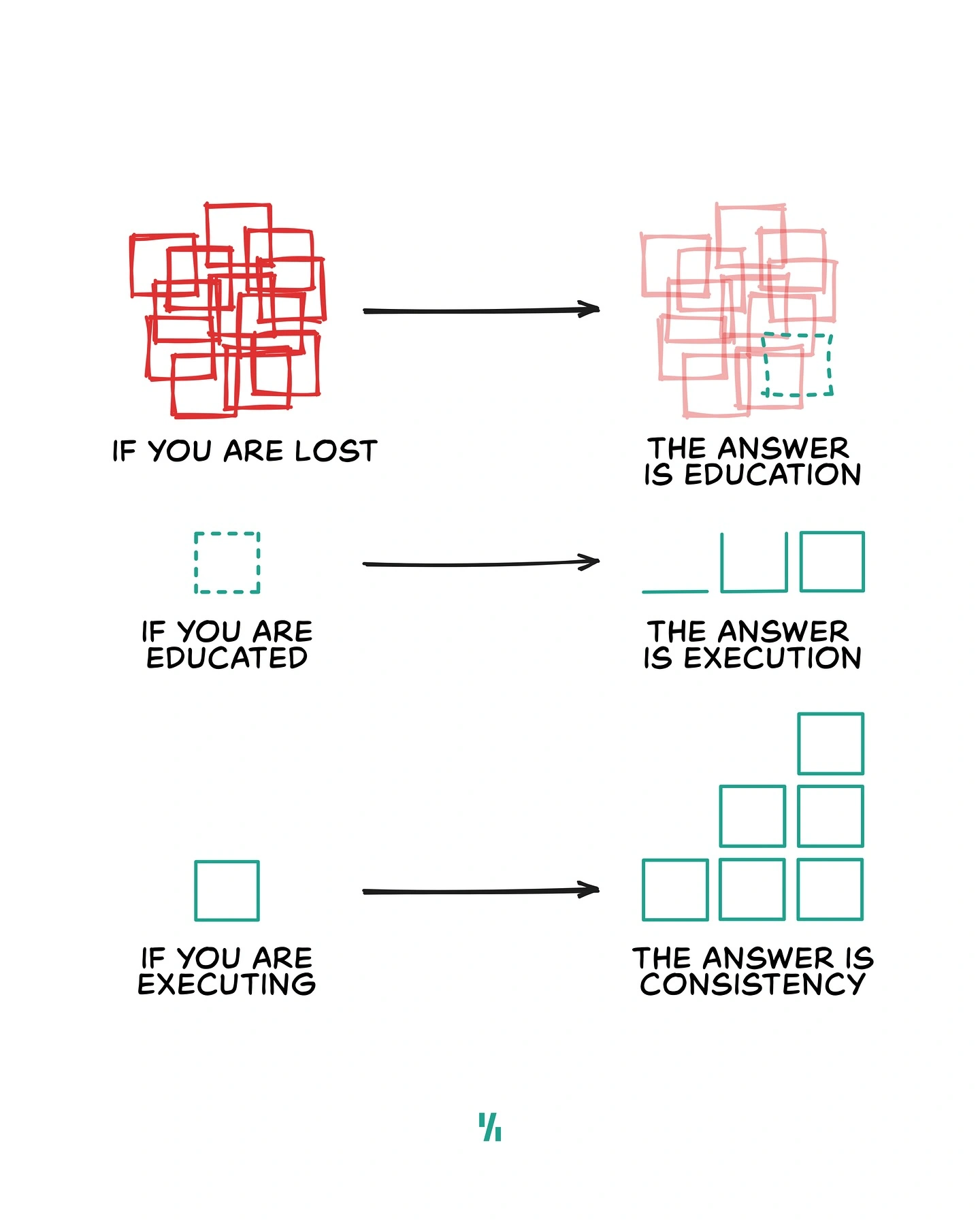
Risk Management
Scoping Rules to Prevent Scope Creep
Change Orders
Timeline
dealing with Uncertainty / Ambiguity
As an agile project manager, dealing with ambiguity is essential to succeed in your role. Here are some strategies to help you manage ambiguity effectively:
-
Embrace change: Agile methodologies are designed to be flexible, so it’s important to be open to change. Instead of resisting change, try to adapt to new situations quickly and be willing to pivot your project if needed.
-
Define clear goals: Even though the project requirements may be unclear, it’s still essential to establish clear goals. This will help you to focus on what’s important and provide direction to the team.
-
Communicate frequently: Communication is crucial in managing ambiguity. Keep stakeholders informed about the project progress and encourage open communication within the team to ensure everyone is on the same page.
-
Break the project into smaller tasks: Instead of trying to tackle the entire project at once, break it down into smaller, more manageable tasks. This will make it easier to identify what needs to be done and help you to stay focused on the most important tasks.
-
Use agile tools: Agile tools, such as user stories, Kanban boards, and sprint planning, can help you manage ambiguity by providing a structured approach to project management. These tools can help you to prioritize work, manage tasks, and ensure that everyone is working towards the same goals.
-
Emphasize collaboration: Collaboration is critical in managing ambiguity. Encourage teamwork, and ensure that everyone is working together towards the project goals. This will help you to leverage the collective knowledge and skills of the team to manage ambiguity effectively.
Ultimately, managing ambiguity requires a combination of flexibility, communication, and collaboration. By adopting these strategies, you can successfully manage ambiguity and deliver high-quality projects that meet stakeholder expectations.
Analysis Paralysis
Analysis paralysis is a state of overthinking and analyzing a decision to the point of being unable to make a decision or take action. Here are some steps you can take to overcome analysis paralysis:
Set a deadline: Give yourself a deadline for making a decision or taking action. This will help you stay focused and avoid getting bogged down in endless analysis.
Break it down: If you're feeling overwhelmed by a decision, break it down into smaller, more manageable tasks. This will help you make progress and build momentum towards your goal.
Gather information: While it's important to avoid over-analyzing, it's also important to gather the information you need to make an informed decision. Set a limit on how much information you will gather and make sure it's relevant to your decision.
Consider the consequences: When making a decision, consider the consequences of both taking action and not taking action. This can help you weigh the risks and benefits and make a more informed decision.
Accept imperfection: It's natural to want to make the best decision possible, but it's important to accept that there is no such thing as a perfect decision. Recognize that you may make mistakes or encounter unexpected obstacles, and be prepared to adapt and adjust your course of action as needed.
Take action: Ultimately, the best way to overcome analysis paralysis is to take action. Start with small steps and build momentum towards your goal. Remember that taking imperfect action is better than taking no action at all.
Analysis paralysis (Overthinking) In software development, analysis paralysis typically manifests itself through the waterfall model with exceedingly long phases of project planning, requirements gathering, program design, and data modeling, which can create little or no extra value by those steps and risk many revisions. When extended over too long of a timeframe, such processes tend to emphasize the organizational (i.e., bureaucratic) aspect of the software project, while detracting from its functional (value-creating) portion.
Analysis paralysis can occur when there is a lack of experience on the part of workers such as systems analysts, project managers or software developers, and could be due to a rigid and formal organizational culture. However, according to Ram Charan, indecision in businesses is usually the result of not enough people acting or speaking up about the inefficiencies of the company. Analysis paralysis can also arise from extensive experience or expertise, which serves to increase the number of options and considerations that appear at every decision point.
Analysis paralysis is an example of an anti-pattern. Agile software development methodologies explicitly seek to prevent analysis paralysis, by promoting an iterative work cycle that emphasizes working products over product specifications, but requires buy-in from the full project team. In some instances, Agile software development ends up creating additional confusion in the project in the case where iterative plans are made with no intention on having the team following through.
many issues in software development stem from management practices that isolate engineers from customer needs
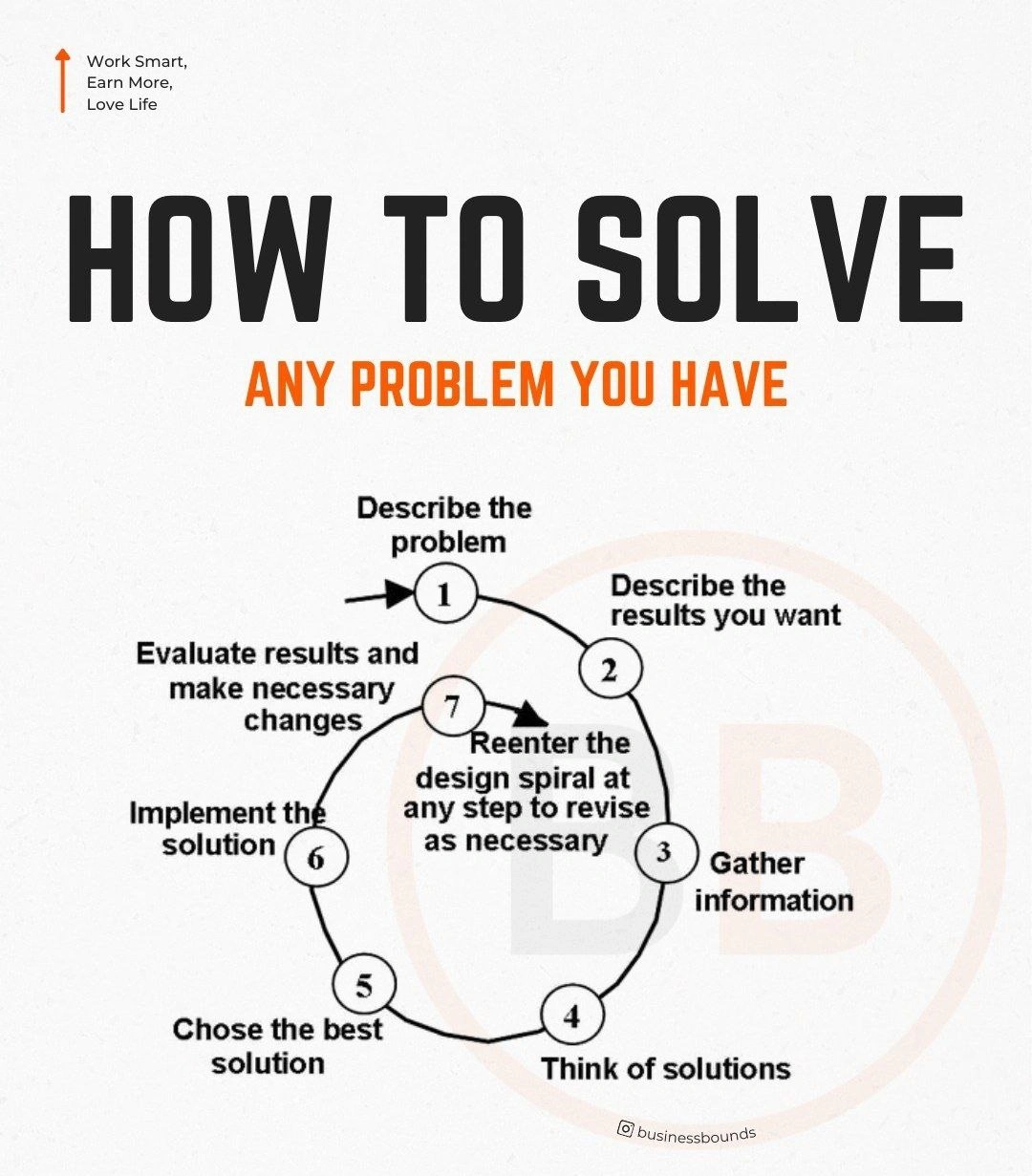
Common Bottlenecks for a Tech Startup
- Arbitrary Deadlines and "Date Scrum": In a fast-paced startup, there can be a temptation to set rigid, top-down deadlines for marketing campaigns or tools without sufficient exploration or adaptation. This can lead to rushed, unvalidated solutions, echoing the article's critique of "Date Scrum," where Waterfall principles are misapplied in Agile settings.
- Isolation from Marketing Performance and User Feedback: If the development of marketing tools or app features is disconnected from the actual performance data (e.g., conversion rates, user engagement) or direct feedback from app users, developers might be building in a vacuum.
- Over-engineering and Perfectionism: College developers, eager to demonstrate their technical skills, might over-engineer solutions for ideas that haven't been fully validated, leading to wasted effort in a startup environment where rapid iteration and "good enough" are often key.
- Ineffective Communication and Disregard for Worker Input: The leadership might unintentionally create an environment where worker insights or concerns about feasibility and market relevance are not fully heard or acted upon, one person observed about management causing 85% of issues by not listening to workers.
Practical Advice
- Connect Development Directly to Marketing Outcomes and Users:
- Involve Developers in the "Why": Ensure developers understand the client's marketing objectives, the target audience, and how their developed tools or features will directly impact key performance indicators (KPIs) like app downloads, user retention, or ad click-through rates. Regularly share marketing performance data.
- Facilitate User/Client Exposure: Even if indirect, help developers understand user feedback, perhaps through anonymized surveys, A/B test results, or direct observation of user behavior within the app or marketing funnels.
- Prioritize Learning and Iteration Over Fixed Deadlines:
- Embrace Experimentation: Frame development tasks as experiments designed to learn what works best for mobile app marketing. Instead of rigid deadlines for a final product, set timeboxes for experiments and minimum viable products (MVPs).
- Focus on Outcomes, Not Output: Shift the emphasis from simply "completing features" to "achieving marketing goals." This encourages developers to think critically about whether what they are building will actually move the needle.
- Foster a Culture of Listening and Autonomy:
- Empower Developers: Provide clear objectives but allow developers the autonomy to explore how best to achieve those objectives. Encourage them to research, propose solutions, and even challenge assumptions.
- Active Listening: Regularly check in with developers, not just on status, but on their challenges, ideas, and observations. Be open to their perspectives, as they might spot inefficiencies or better approaches. The article stresses that companies "will likely not survive" if they fail to adapt by listening to developers.
- Teach Product-Market Fit and Iterative Development:
- Lean Startup Principles: Guide developers to build, measure, and learn quickly. Emphasize that in a startup, the goal is often to validate ideas rapidly, not necessarily to create perfect, feature-rich solutions initially.
- De-emphasize "Thoroughness" for Unvalidated Ideas: Help developers understand when "good enough" is better than "perfect" for initial testing, especially in a fast-moving digital marketing space. This counters the "legacy MBA bias" of characterizing thorough developers as "slow" for not focusing on arbitrary metrics.
- Abandon Manufacturing-Style Management:
- Avoid Detailed Estimates for Unknowns: For innovative marketing tools or untested app features, detailed estimates can be counterproductive. Instead, focus on small, testable increments.
- Focus on Purpose, Not Just Tasks: Clearly articulate the purpose of each project. This provides a guiding star for developers, allowing them to make better decisions independently, rather than just following a task list.
By adopting these practices, the mentor can help developers thrive in a startup environment, avoiding the pitfalls of "bad management" and building a more effective, responsive digital marketing agency.