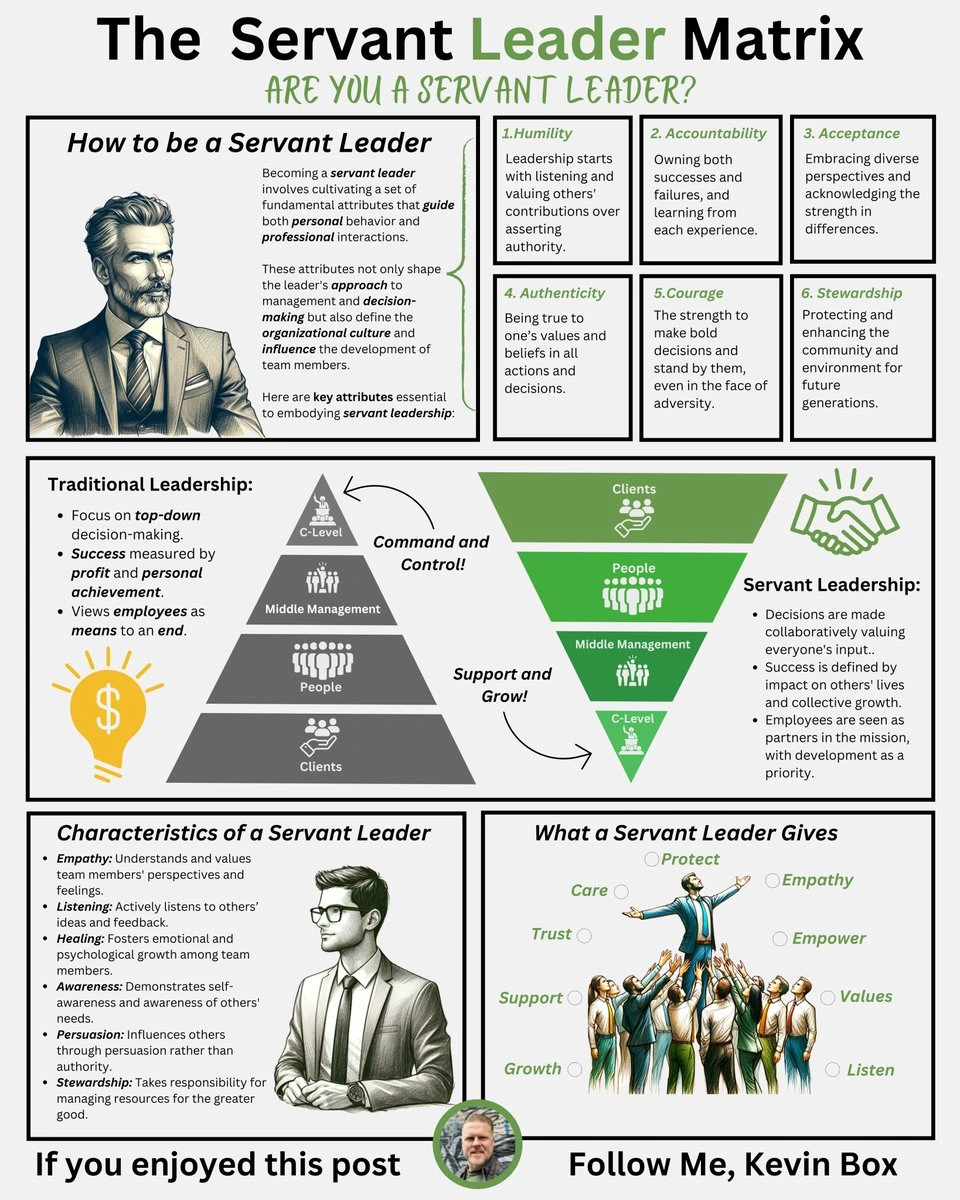
Decision Making
Judgement Bias Noise
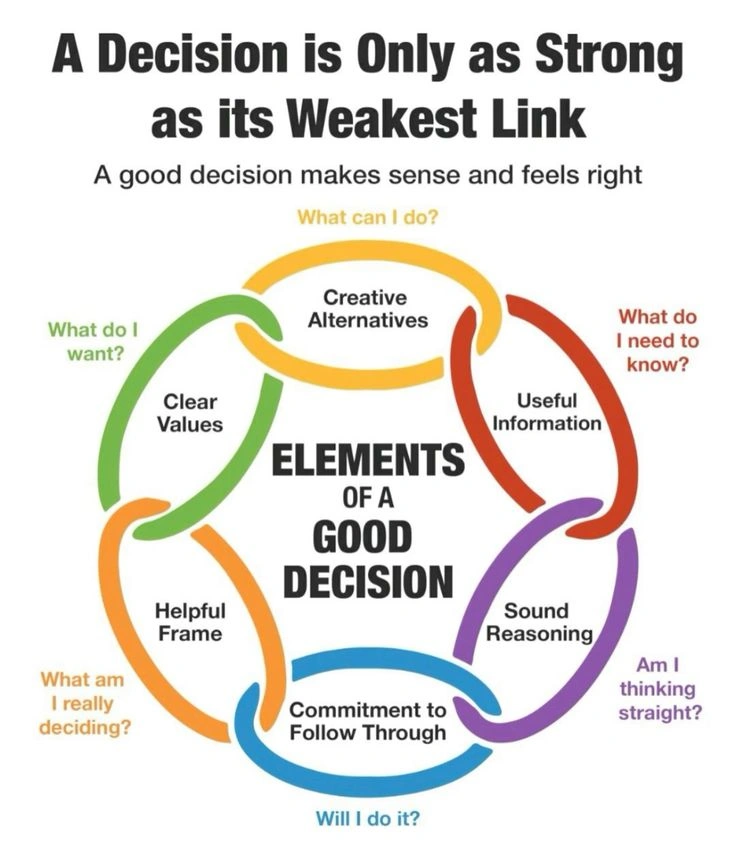
- making informed decisions
Agile Decision-Making
Agile decision-making involves making quick and informed decisions to respond effectively to changing circumstances. To implement agile decision-making in your organization, follow these steps:
Establish a clear decision-making framework
Define the decision-making process, roles, and responsibilities within your team. This ensures everyone understands their role and the decision-making flow.
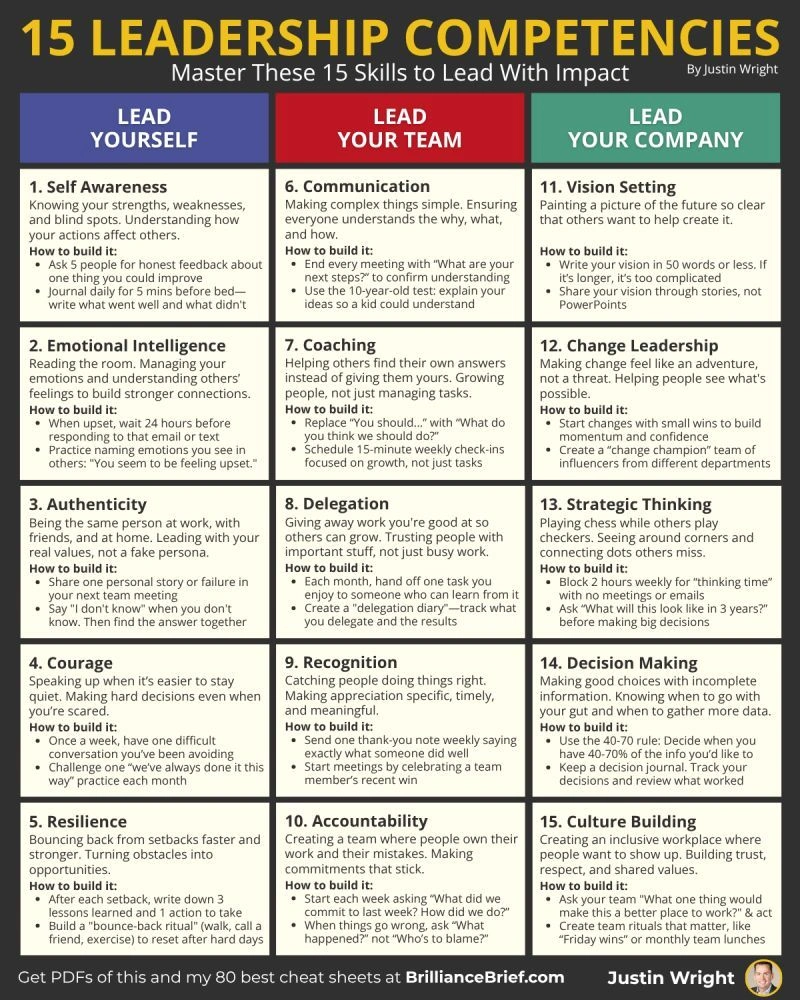
Foster a collaborative culture
Encourage open communication and active participation from all team members. Create an environment where diverse perspectives are valued and fostered, allowing for better decision-making.
Gather relevant information
Before making a decision, gather all necessary information, including data, market research, customer feedback, and expert opinions. This ensures decisions are based on sound evidence and analysis.
Set decision-making criteria
Establish clear criteria for evaluating options and making decisions. Consider factors such as impact, feasibility, cost, and alignment with strategic goals.
Iterate and adapt
Embrace a feedback loop to continuously improve decision-making. Regularly review the outcomes of decisions, learn from mistakes, and adjust your approach accordingly.
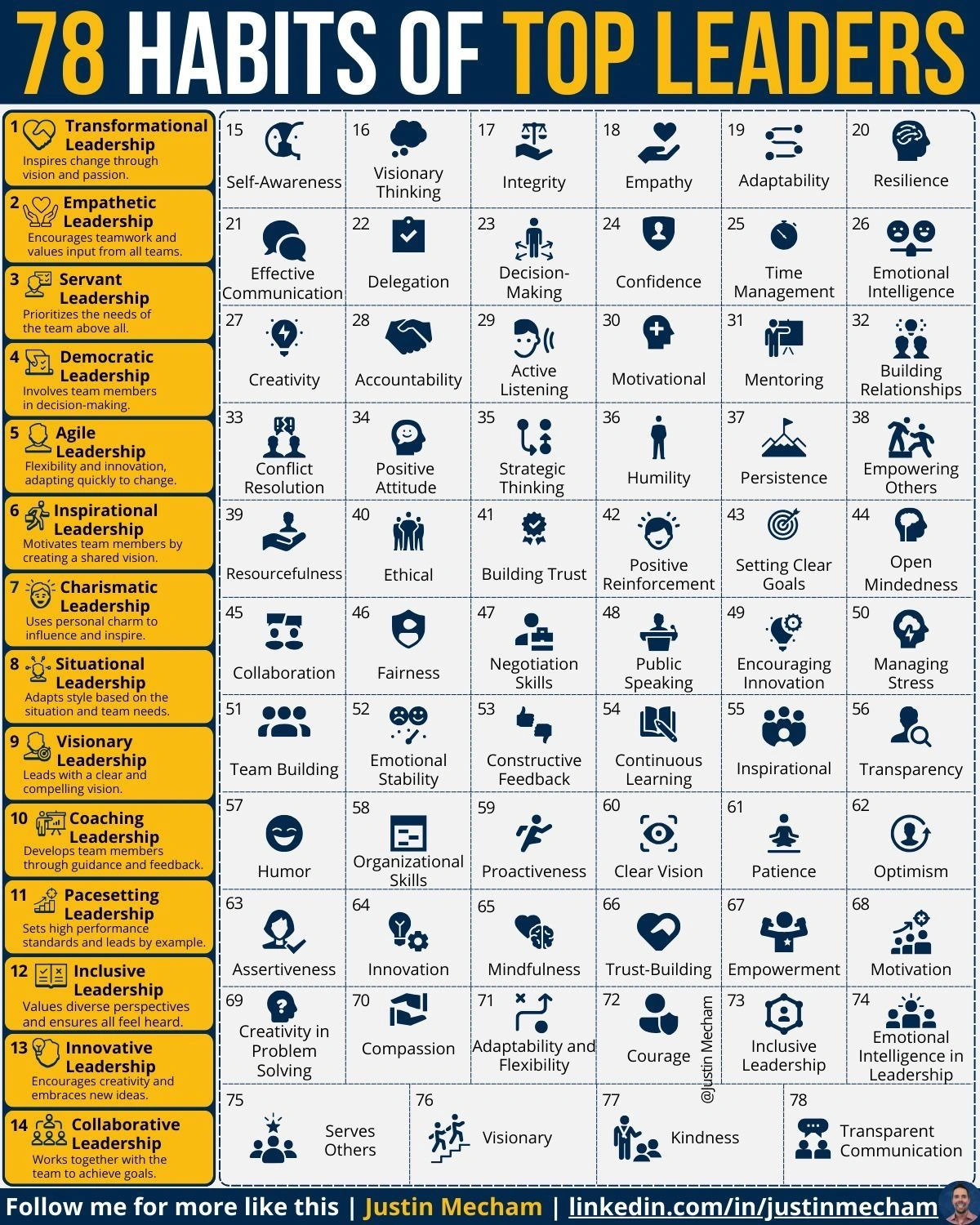
Decentralized Decision-Making
Decentralized decision-making involves empowering individuals or teams to make decisions independently within their areas of expertise. Here's how you can implement decentralized decision-making effectively:
Clearly define decision boundaries
Clearly communicate the areas where individuals or teams have decision-making authority. This ensures everyone knows their autonomy limits and fosters accountability.
Delegate decision-making authority
Empower individuals or teams with the necessary skills, knowledge, and resources to make decisions within their domain. Encourage them to take ownership and responsibility for their decisions.
Establish trust and provide support
Build a culture of trust and psychological safety, where individuals feel comfortable making decisions. Provide guidance, mentorship, and support when needed, and encourage learning from both successes and failures.
Communicate and align
Maintain open channels of communication to ensure that decisions made in different areas are aligned with the overall goals and vision of the organization. Regularly share information and provide opportunities for cross-functional collaboration.
Monitor and evaluate
Establish mechanisms to monitor and evaluate the outcomes of decentralized decisions. This helps identify areas for improvement, enables knowledge sharing, and ensures continuous learning across the organization.