Leadership
Leading Without Managing
Core Thesis: True leadership is fundamentally distinct from management and can be exercised without formal managerial authority or control over processes/resources. Leadership is about influence, inspiration, and enabling others, not just directing tasks.
Key Distinctions:
-
Leadership (Focus: People & Purpose):
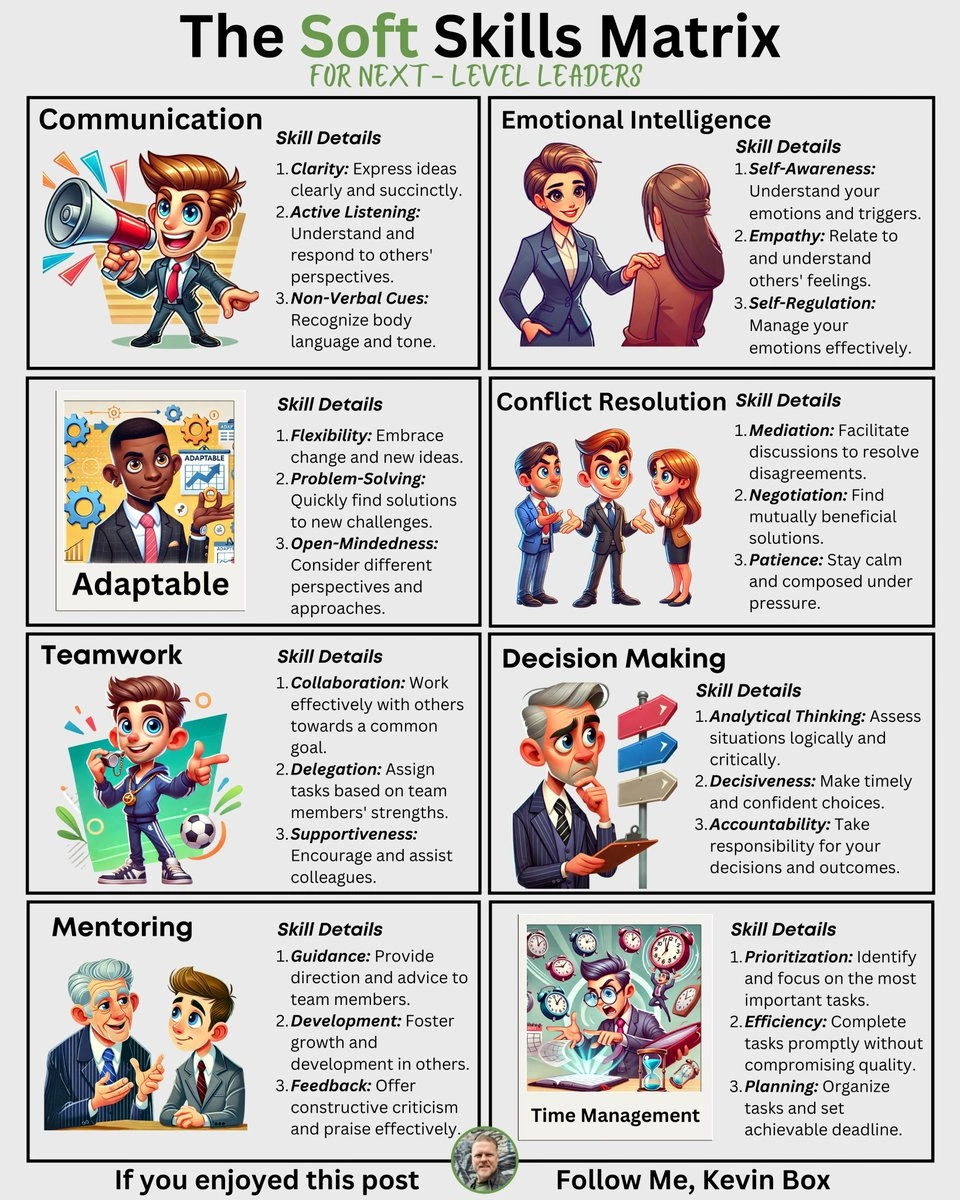
- Vision & Direction: Setting a compelling "why" and inspiring others towards a shared goal.
- Influence & Inspiration: Motivating people through passion, trust, and shared values, not authority.
- Empowerment & Enablement: Removing obstacles, providing resources, and trusting people to figure out the "how."
- Building Relationships & Trust: Fostering psychological safety, collaboration, and open communication.
- Leading by Example: Modeling the behaviors, values, and work ethic expected of others.
-
Management (Focus: Process & Control):
- Planning & Organization: Defining tasks, schedules, budgets, and structures.
- Execution & Control: Assigning work, monitoring progress, enforcing rules, and ensuring efficiency.
- Problem-Solving (Tactical): Addressing immediate operational issues and roadblocks.
- Resource Allocation: Distributing people, budget, and tools.
- Hierarchy & Authority: Relying on positional power to direct activities.
The Four Pillars of Leading Without Managing:
- Vision: Clearly articulate a compelling future state and purpose that resonates emotionally and intellectually.
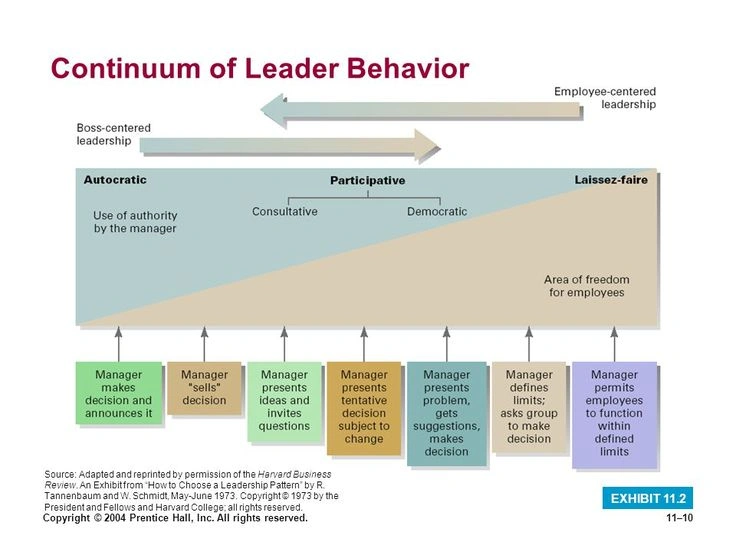
- Empowerment: Delegate ownership, trust people's judgment, provide autonomy, and focus on outcomes over micromanaging methods.
- Relationships: Invest time in building genuine connections, understanding individuals, fostering trust, and creating a supportive environment.
- Example: Consistently embody the values, work ethic, and behaviors you wish to see in others. Be credible and authentic.
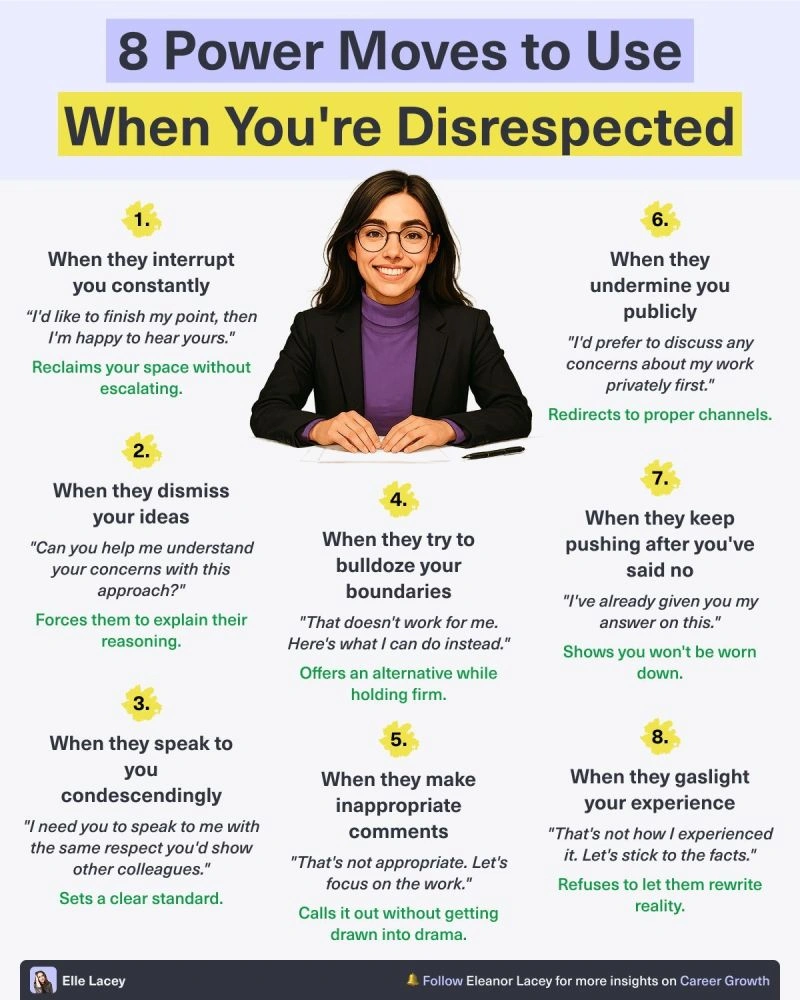
Benefits of Leading Without Managing:
- Increased Engagement & Motivation: People feel valued, trusted, and connected to a meaningful purpose.
- Higher Innovation & Creativity: Empowered individuals feel safe to experiment and share ideas.
- Improved Agility & Resilience: Teams adapt better to change when they aren't reliant on constant top-down direction.
- Stronger Collaboration: Trust and shared purpose foster better teamwork.
- Sustainable Performance: Intrinsic motivation and ownership lead to better long-term results than external control.
- Scalable Influence: Leadership isn't limited by formal reporting lines; anyone can lead others through influence.
Conclusion: Leadership is an action and an influence, not a title or a set of control mechanisms. By focusing on vision, empowerment, relationships, and leading by example, individuals can inspire and guide others effectively, driving results and fostering a positive environment, regardless of whether they hold formal managerial responsibilities. Management is necessary for execution, but leadership is essential for inspiration and sustainable success.
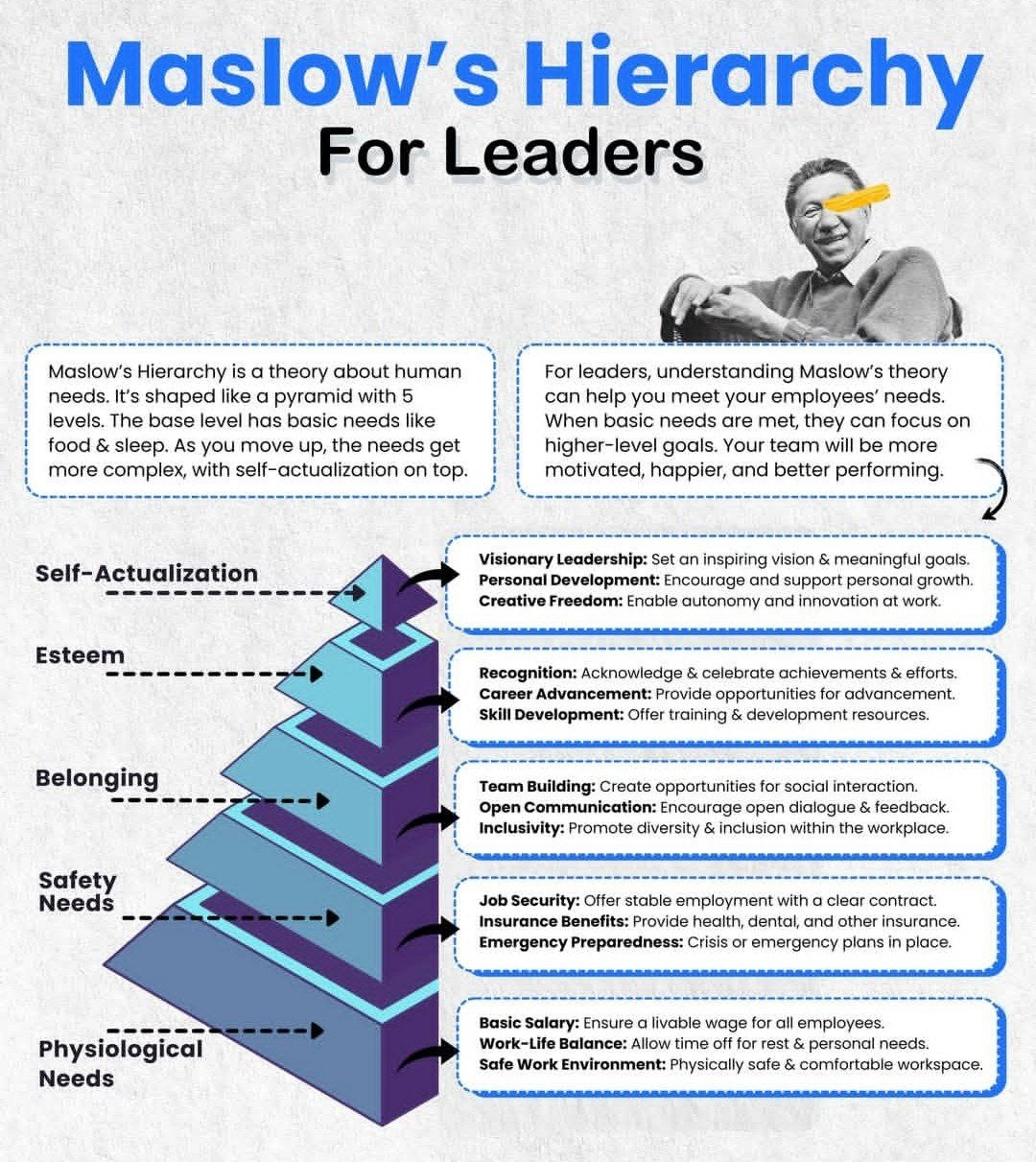
Check-ins / Expectations
- explain in advance how the work will be evaluated
- meaningful variable names
- formatted code
Set clear expectations
It's important to set clear expectations for the team. Make sure that everyone understands their roles and responsibilities, as well as the goals and objectives of the company.
Coaching Questions
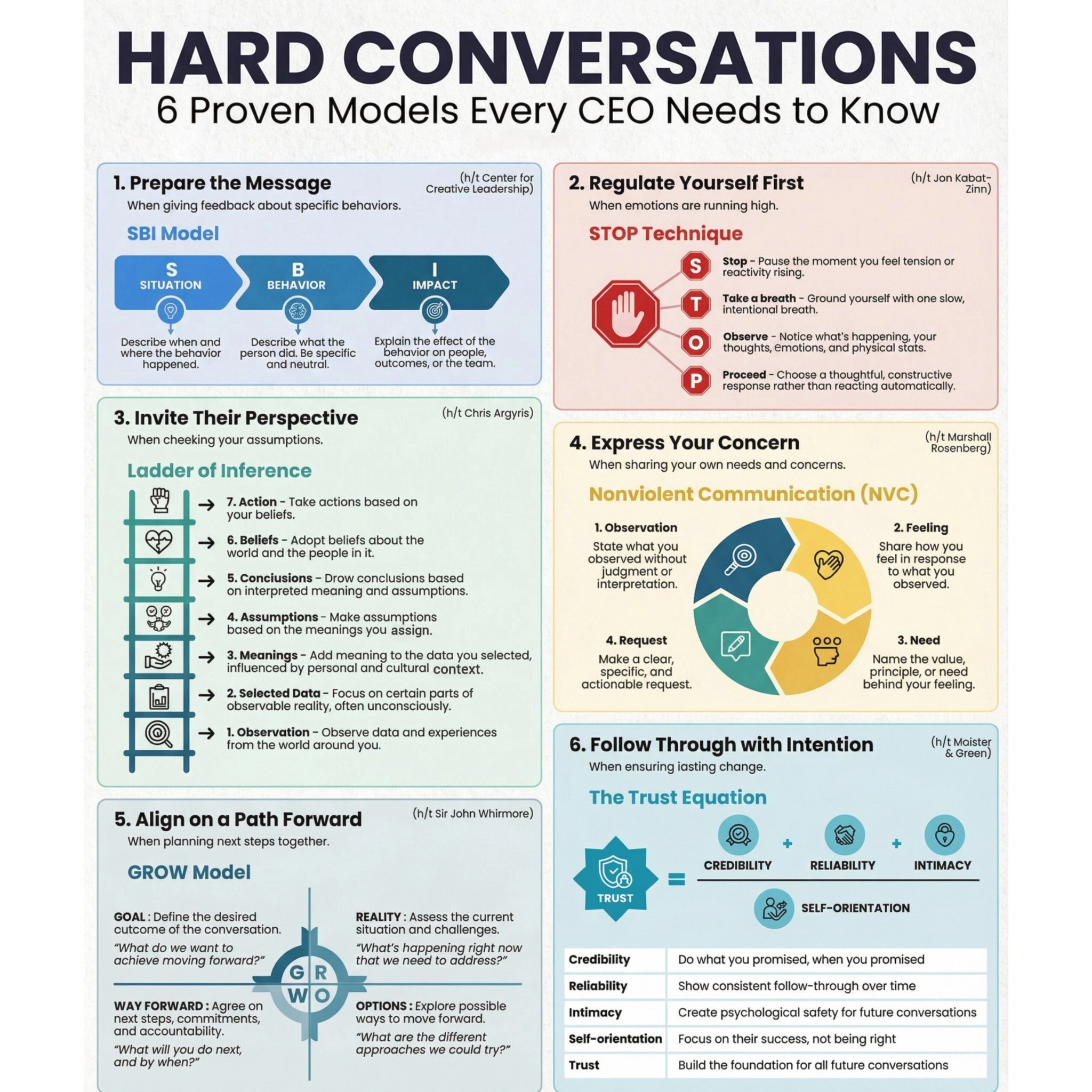
- "What's the Real Issue Here?"
- Example: "When you say you're frustrated, what specific action triggered this?"
- "How Would You Like This Resolved?"
- Example: "If you could design the ideal outcome, what would it look like?"
- "What's Your Part in This?"
- Example: "What could you have done differently?"
- "How Can We Find Common Ground?"
- Example: "What's one thing we both agree on?"
- "What's One Step Forward You Can Take Today?"
- Example: "What's one thing you're willing to try?"
- "How Can I Support You?"
- Example: "What do you need from me?"