Advertising
Promotions MUST generate excitement
Table of Contents
- instagram ads
- twitter ads
- video ads
- mobile ads
- Types of Marketing Campaigns
- Revenue
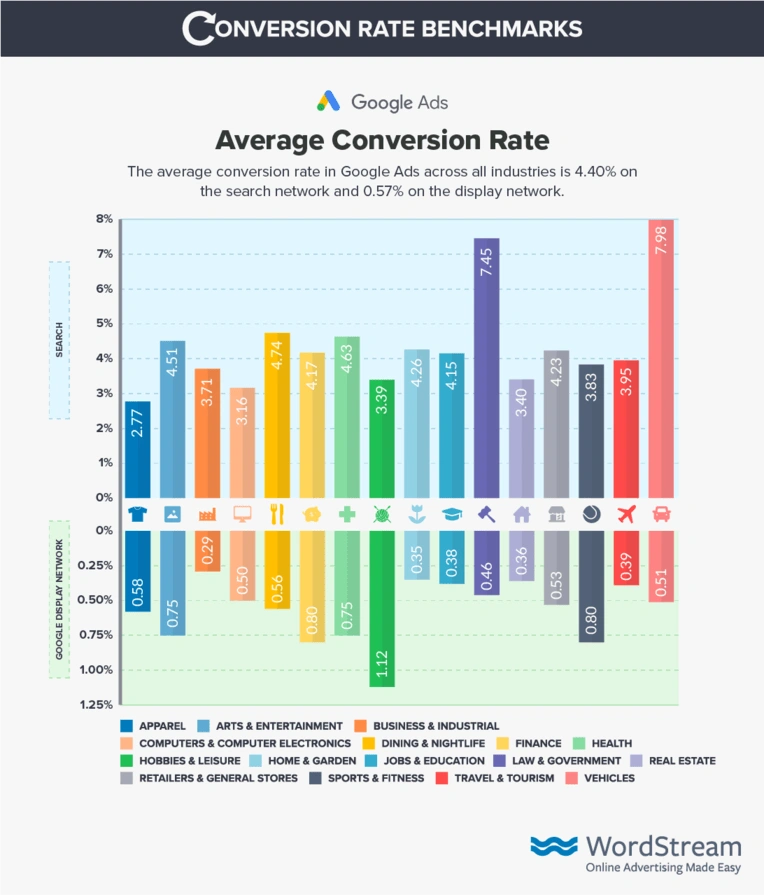
The average conversion rate across Google Ads is 4.40% on the search network and 0.57% on the display network.
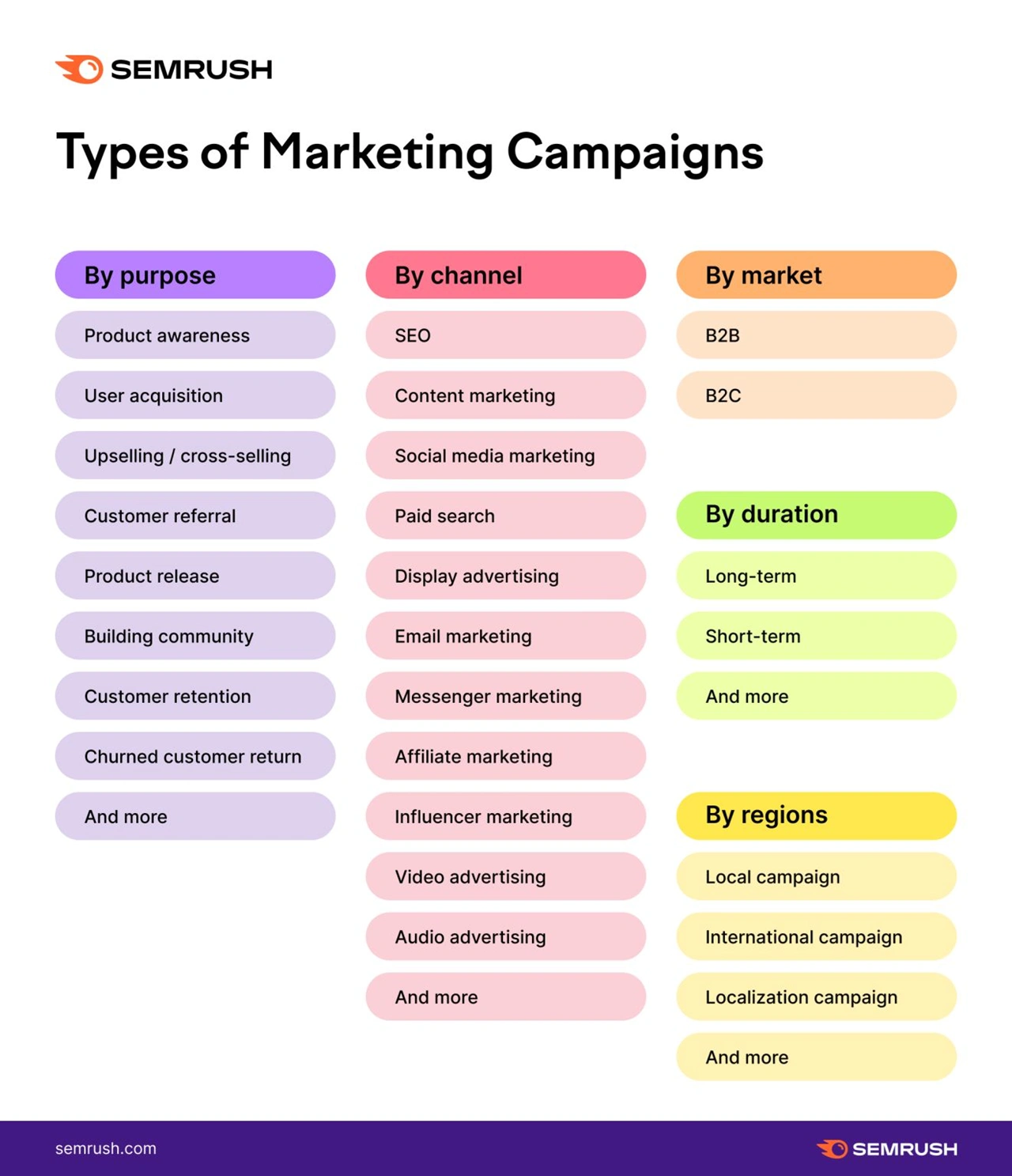
Types of Marketing Campaigns
Revenue
revenue-goals-ad-spend.webp)
Ad Placement
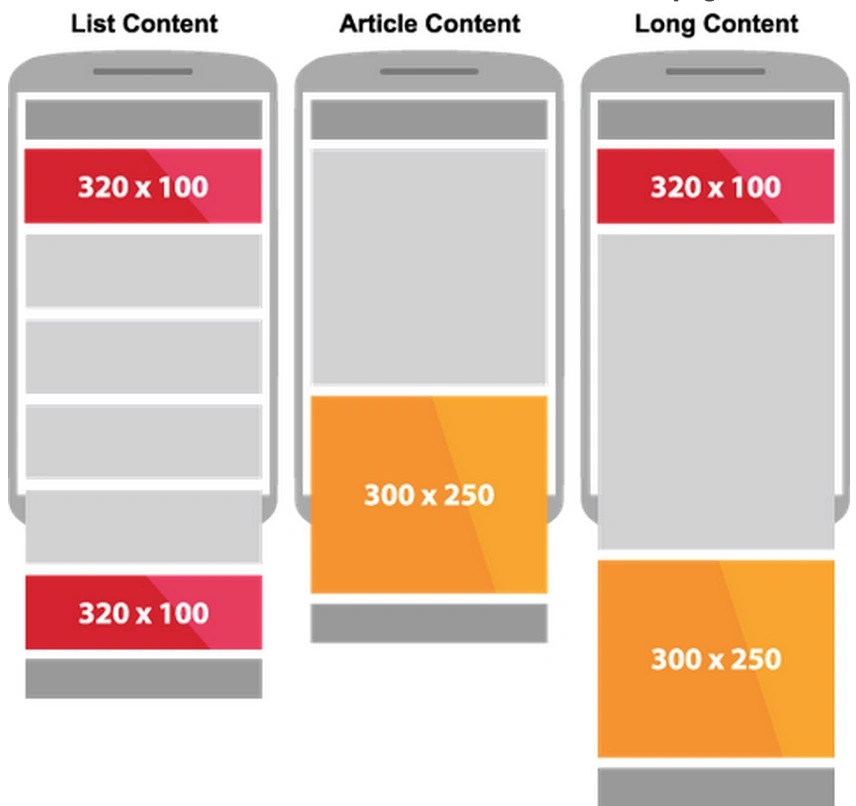
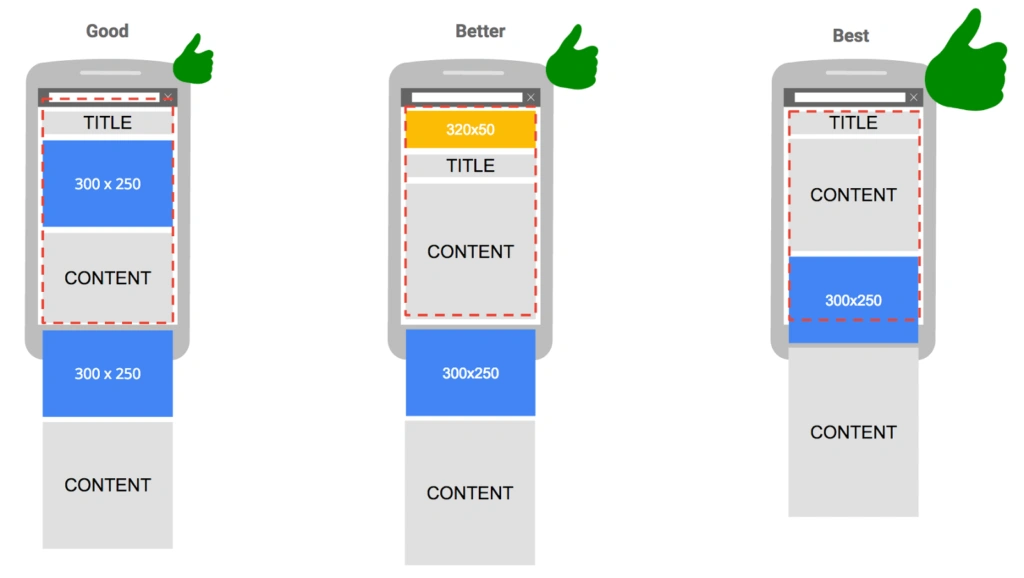
Creating Ads timing + intent = relevance
- research for education vs action with purpose of buying
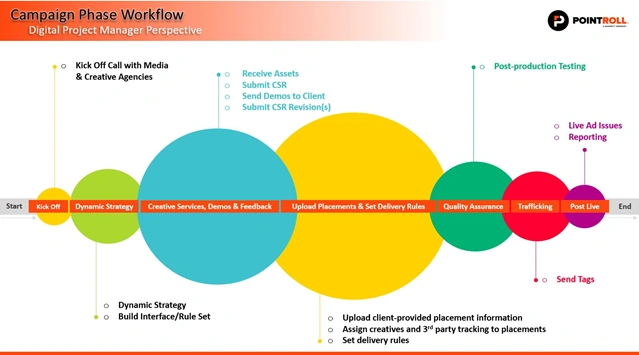
- Inception a. call b. email
- Deliverables / Timeline a. media b. 3rd party tracking c. brand study
- Creative designed a. reformatting non-rich media b. done by creative agency
- True Reach Visible Measures True Reach measurement reports the number of times a video campaign is viewed across hundreds of the web’s most trafficked sites. It allows advertisers and agencies to track the performance of their paid, owned, and Earned Media assets across the Web. True Reach accounts for clips uploaded by the brands and their agencies as well as clips driven directly by audiences.
- View Period View Period tracks each unique user’s video viewing experience, which can encompass several actions across multiple clips.
- Engagement Score The Engagement Score reflects the cumulative time all viewers spend with a particular video clip.
- Completion Rate The Completion Rate indicates how often viewers watch a specific clip to the end. Visible Measures metrics not listed above have not been accredited by the MRC.
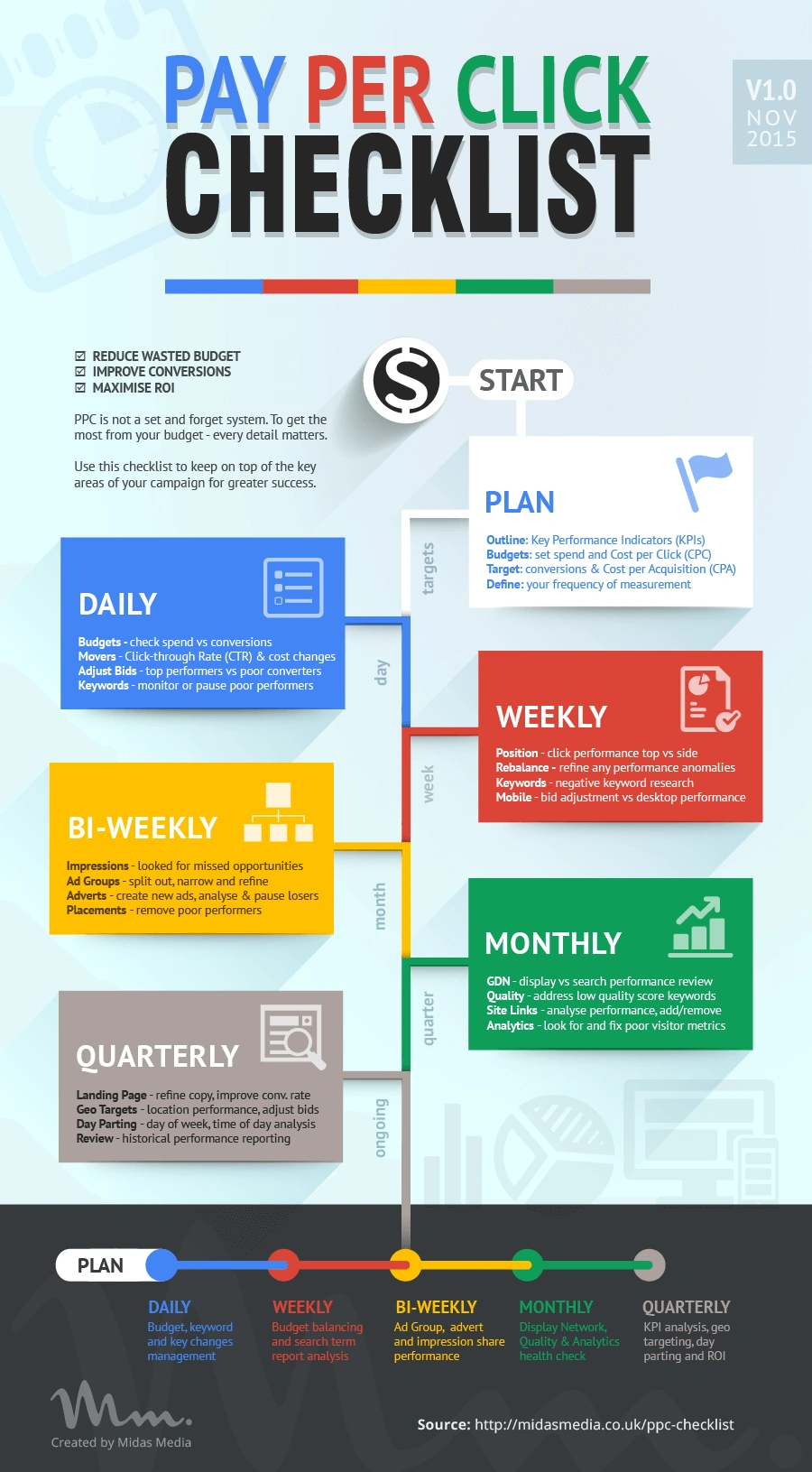
Browser Detection

-
vanity metrics: they don't really matter
-
bounce rate
-
spam rate
-
clickthrough rate
-
unsubscribe rate
-
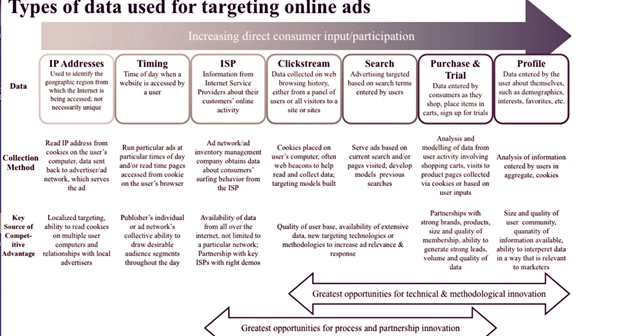
Spintax Projected Monthly Budget: How much do you spend a month on digital ads? Expected CPC: How much are you willing to pay for a click? Keyword Research – Discover new, highly relevant keywords to add to your campaigns, including long-tail opportunities that can contribute to the bulk of your overall traffic. Keyword Organization – Split your keywords into tight, organized groups that can be more effectively tied to individual ad campaigns. • E-Commerce o Average Order Size o total cost of goods sold • product o affinity (products frequently purchased together) o viewing relationship (products frequently viewed together) o inventory count • DateTime o viewable in browser window display time o dwell time o intentional engagement • interaction rate • clicks % o UI Panel o Non UI Panel • Display Response o immediate response (click) o latent response (viewthrough)
-
tied into cookie by matching it to a page tag • Behavior o shopping cart abandons o page depth: viewed more than 3 pages • Conversion o lead generated o purchase made
- new customer
- returning customer • site events • Impression o UI Panel o Ad • Unique Users o labeling/tagging for CRM email campaign tracking
- Acquisition Type (Source) • PPC • email • affiliate • banner ad • social media o Visitor Loyalty: (repeat visits in a given timeframe) o Segments
- New, 1st time visitors
- returning visitors
- paid search traffic
- non-paid search traffic
- direct traffic
- inbound referral traffic
- visits w/ conversions
- visits w/ transactions
- mobile traffic
- non-bounce visits o Browser Info
- browser version
- device type
- OS
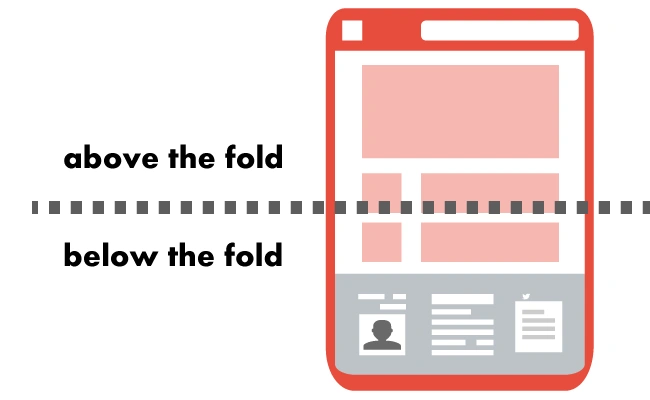
session replay cookie bombing • purchasing cheap below-the-fold ad inventory for the purpose of dropping as many cookies as possible across as many users as possible to potentially take credit for more conversion events than they should
- Domain URL
- Number of keywords
- Number of traffic to site pm
- $ amount spent on Adwords per month
Out-of-home (OOH) advertising
- How to Run Ads
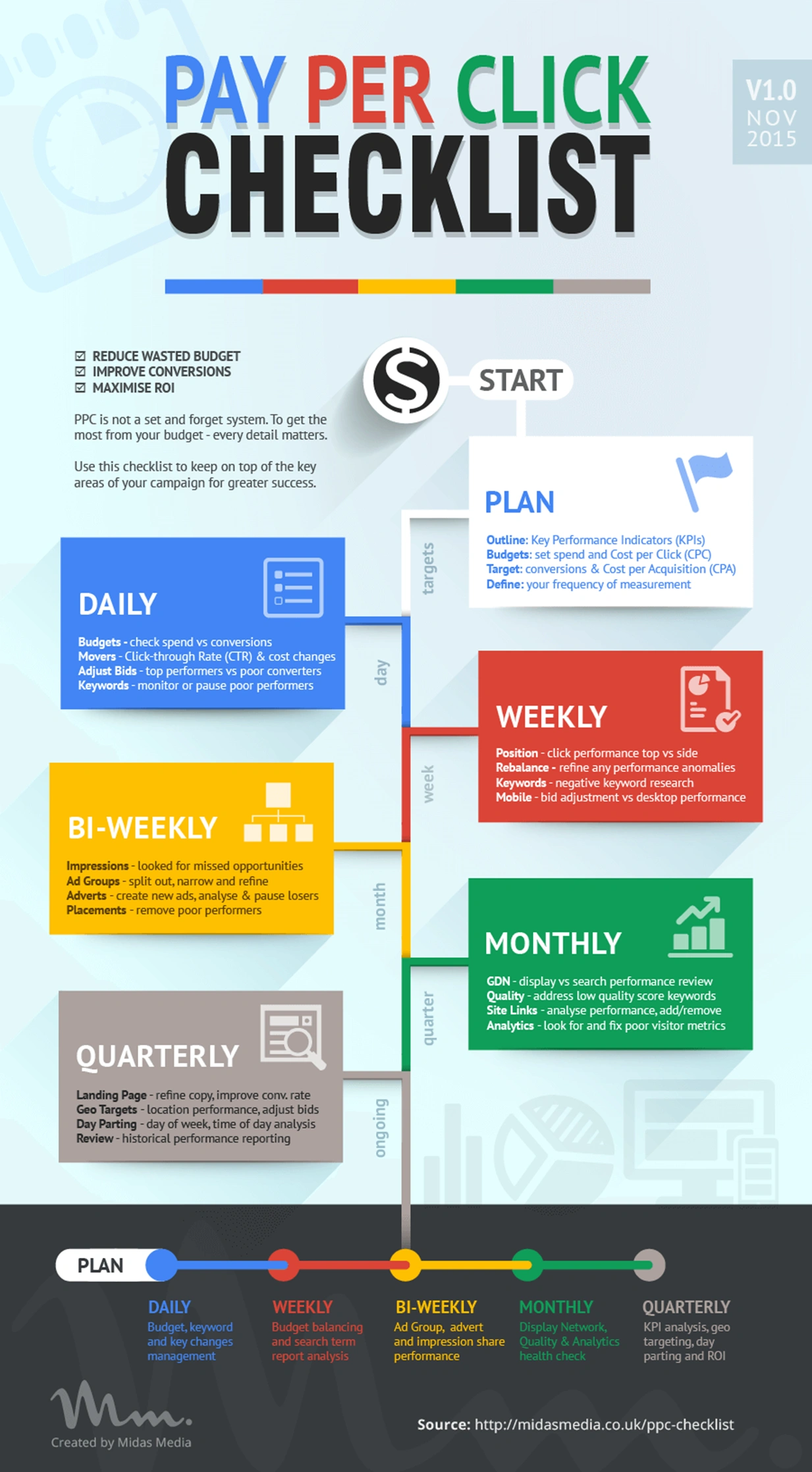
test the waters
Facebook
How to Run Facebook Ads
1. test the waters
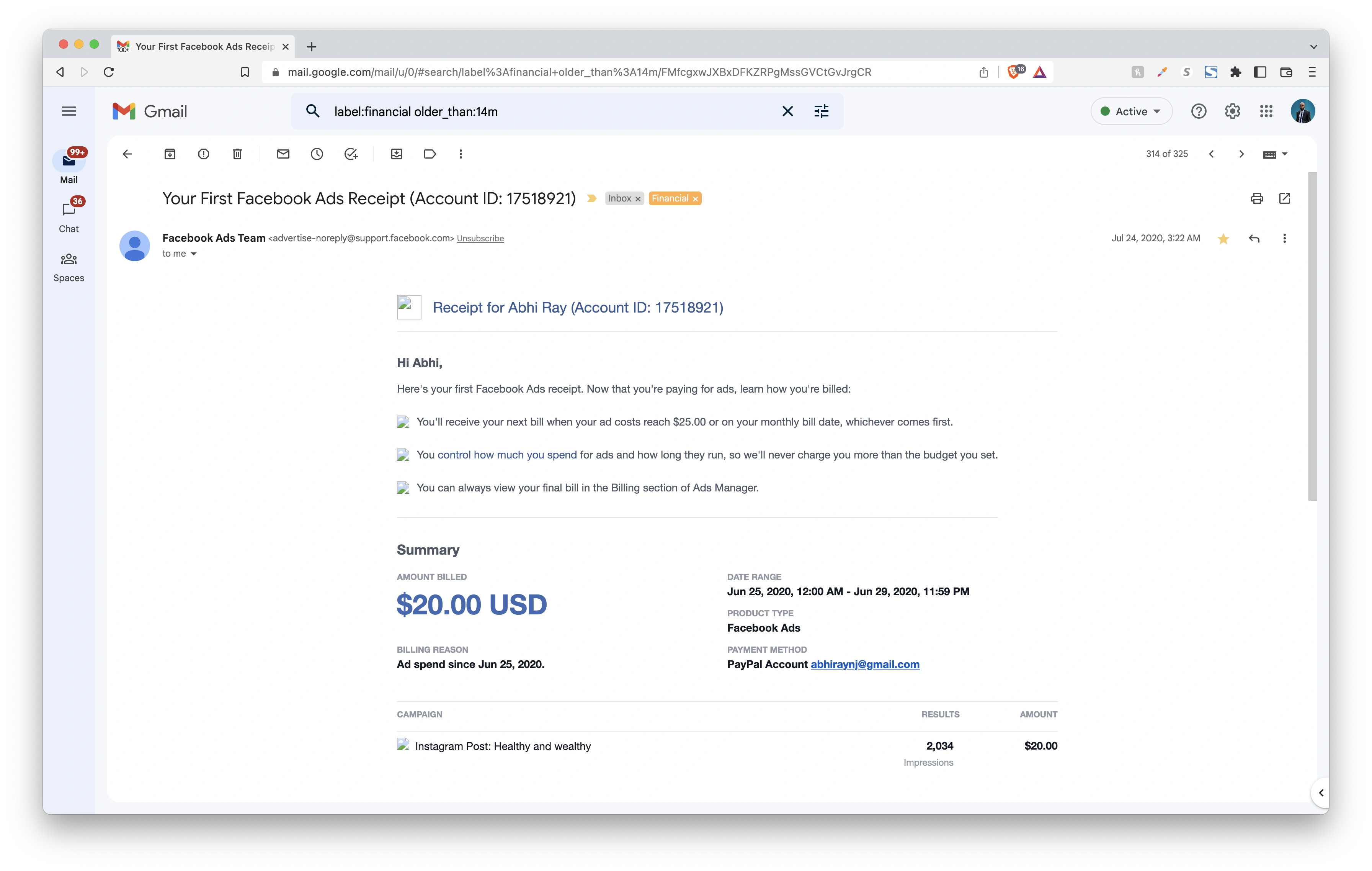
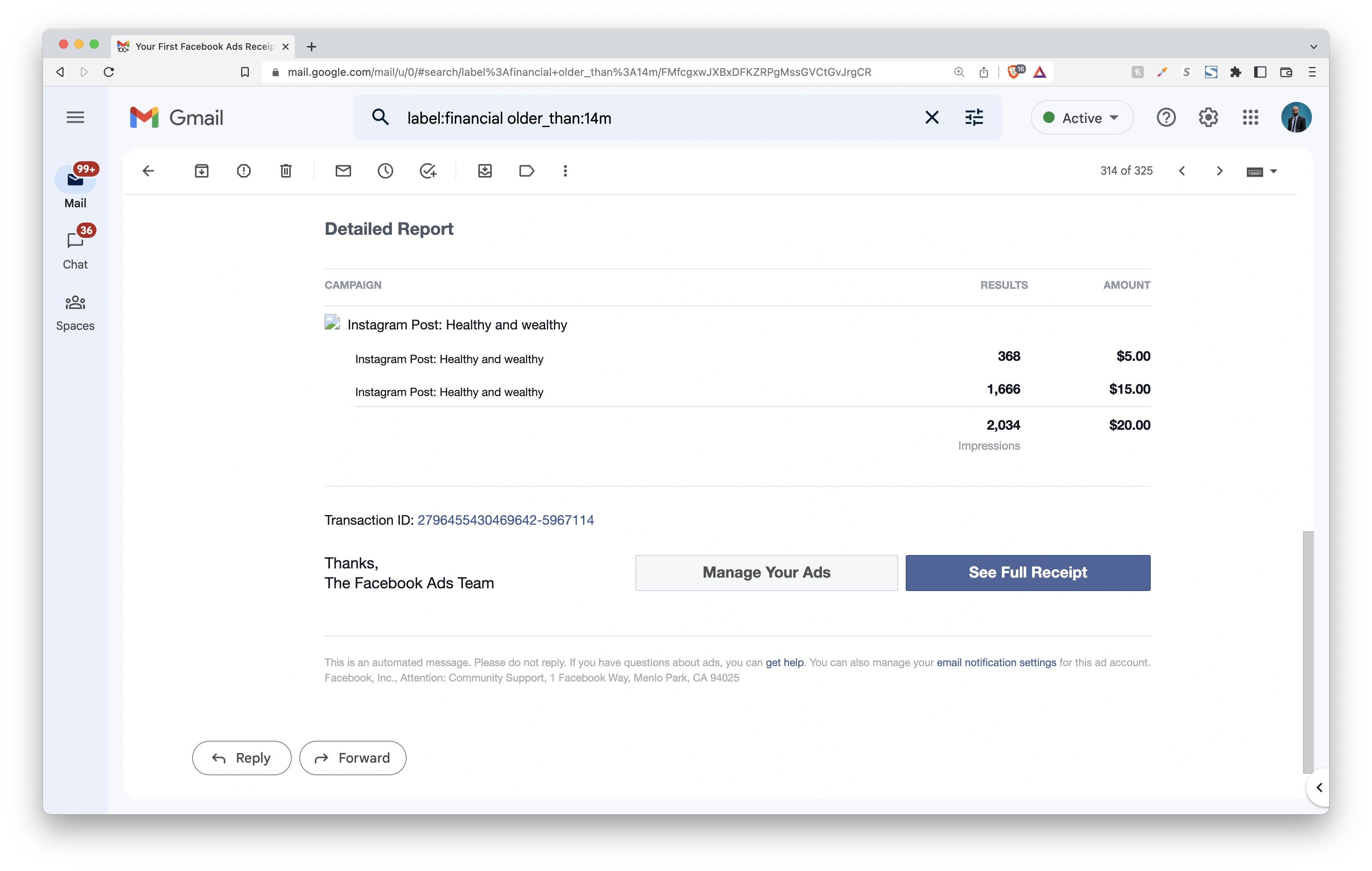
Generally, sellers start with a $5 – $10 budget and then make a data based decision after 24 – 48 hours of running their ads. Opinions vary based on ideal target audience sizes and the ad type you select, but narrowing your target audience to 50,000 – 400,000 people is a good range to start with.
duplicate Ad Set
when you find a working ad at $50, don't edit it, since that will reset the algorithm, instead duplicate
Time Duration
Run ad set for at least 3-4 days
Increase
increase by 20% increments
Digital Ads
https://www.superside.com/ad-design-guide
digital-ads-conversion.webp)
Cookies
Cookie Editor Chrome Extension - https://www.editthiscookie.com/
Essential Website Cookies These cookies are strictly necessary to provide you with the services and features available through our site. Because these cookies are strictly necessary to deliver the site, you cannot refuse them without impacting how the site functions.
- Always Active
Performance Cookies
- allow us to count visits and traffic sources so we can measure and improve the performance of our product. all the info collected is anonymous
Functionality Cookies
- personalization
- some set by us, some by third party providers whose services we've added to our page
These cookies are used to enhance the functionality of the site. They help us to customize the site and application (where applicable) for you in order to enhance your experience. Although important to us, these cookies are non-essential to the use of the site. However, without these cookies, certain functionality may become unavailable.
Analytics and Customization Cookies These cookies collect information to help us understand how the site is being used or how effective our marketing campaigns are. They help us to know which pages are the most and least popular and to see how visitors move around the site. These cookies may be set by us or by third-party providers whose services we have added to our pages.
Advertising (Targeting) Cookies These cookies are used to make advertising messages more relevant to you and your interests. They also perform functions like preventing the same ad from continuously reappearing, ensuring that ads are properly displayed, and in some cases selecting advertisements that are based on your interests.
Tracking cookies Tracking cookies help website owners to understand how visitors interact with websites by collecting and reporting information anonymously.
- heatmaps, reports and analyses
- IP address anonymized.
- Tracks visitors’ interactions processes this information to serve validated data to the email marketing tool. Data processing takes place in the USA.
aws-tracking-cookie.webp)
Necessary cookies These essential cookies make the website usable by enabling basic functions like page navigation and access to secure areas of the website can’t function properly without these cookies.
- AblSessionID Keeps track of visitors’ states across page requests.
- CSRF-Token Helps prevent Cross-Site Request Forgery (CSRF) Attacks.
- Consent Cookies These cookies save your decisions on the use of cookies which require your consent on our website (consent, revocation, opt-out).
- Zendesk Cookies (on Ableton Help Website) We use the help desk software tool Zendesk on our Ableton Help Website. When Zendesk is used, cookies are used to improve the user experience. Find more information on Zendesk cookies in our Privacy Policy and in the Zendesk Cookie Policy.
Mobile App Ads / mobile identifiers
Target mobile apps with IDFA or AAID Ad Exchange supports passing the Identifier for Advertising (IDFA) or the Google Advertising ID (AAID) in mobile application inventory bid requests.
The IDFA has two key features:
- It can be reset by the user at any time.
- Users can opt out of all remarketing by enabling a device setting called "Limit Ad Tracking" (LAT), which restricts advertisers from using the IDFA for behavioral advertising.*
Semi-Permanent Device Identifiers Third-party cookies, which are commonly used on the PC web for tracking, tend to have short life spans – anything from one to thirty days on average. By contrast, the IDFA doesn’t change unless a user decides to change it in their phone settings. Few consumers feel a need to take this action, so IDFAs can offer a better foundation for a persistent and anonymized consumer profile.
Using IDFA for Ad Tracking When consumers take actions because of ads, like clicking a banner, playing a video, or installing an app, media companies can pass the IDFA with information about the consumer action that took place because of the advertising. Most media companies do pass IDFAs. Some media companies, including some large social networks, do not pass device IDs to advertisers, but do allow you to target specific IDs within their properties. Many companies also leverage IDFAs as a tool for fraud detection. By monitoring the stream of ad actions and associated IDFAs, advertisers get important signals that may indicate advertising fraud.
Android ID – this was the old unique identifier available on Android devices prior to the KitKat OS release. Mobile devices running KitKat or an earlier OS release will only have access to this device ID. Typically advertisers want the newer Android Advertising ID, but if the only device ID available is the Android ID then they may accept that instead. Check with your advertiser to see if they want the Android ID if there is no Android Advertising ID available.
Android Advertising ID (aka Google Advertising ID) – this is the current unique identifier used for Android devices.
UDID (aka Universal Device ID) – this was the old unique identifier for iOS. It is no longer used and has been replaced with the iOS IDFA ID. Apple no longer accepts apps in their store that access this identifier.
IDFA (aka identifierForAdvertising) – this is the current unique identifier for iOS and is what should be used to identify devices.
IDFV – (aka identifierForVendor) – this is a publisher specific identifier. The same identifier is used for the same user on the same app on all devices. But the same user on a different app will have a different IDFV.
Ad Spend
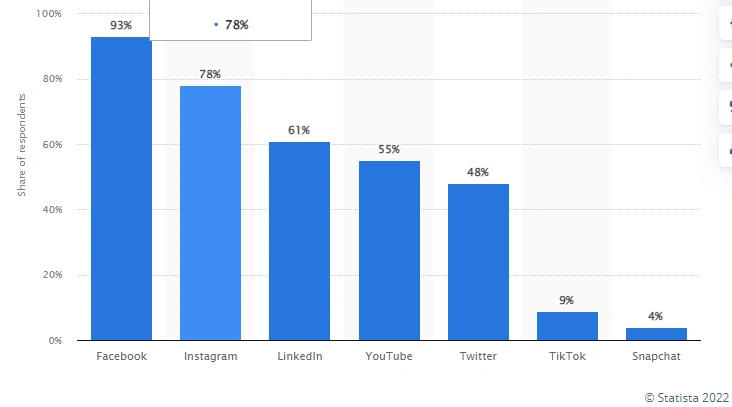
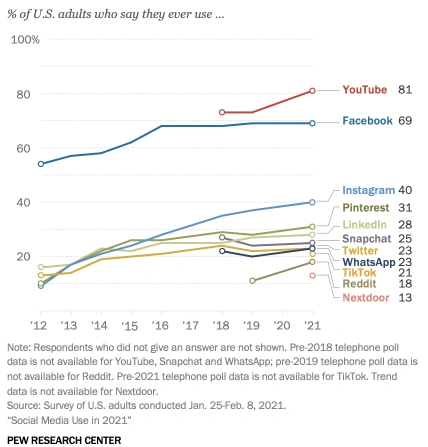
Budget Pacing - conservative vs aggressive
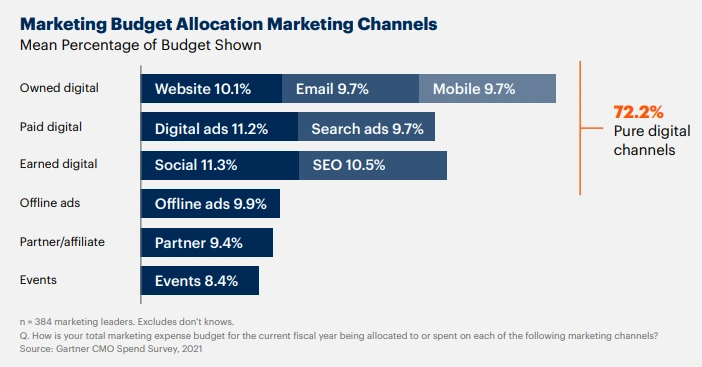
Budget Allocation
40-50% of the marketing budget goes in campaign planning and content creation, 20-30% goes in paid advertising, 10% of the marketing budget goes in workforce marketing, 10% goes in software and tools, and 5-10% in events.
Variance
- Factor in your company’s age. Newer companies should allocate more to marketing, to help speed up growth.
younger companies (1-5 years old) should spend 12-20% of gross revenue on marketing. Older companies (assuming you’ve established some level of market share) should commit 6-12%.
Advertising Spend
6% to 13% Retail Industry 21%
Marketing agency WebStrategies puts the average at 11.4%, although it has B2C budgets considerably higher than for B2B businesses.
Display advertising Display advertising is closer to traditional advertising than a channel like Google Ads. You've certainly seen display ads before, lurking down the margins of webpages, at the top below the site's header image or running along the bottom.The downside of display advertising, of course, is that it can seem obtrusive and annoying. It also has a much lower clickthrough and conversion rate than Google Ads.
Creative Ad Components
• k weight • dimensions • day-parting • run dates • Video • functionality o animation time duration • Animation • Background Color • Call-To-Action • Logos • Images • Marketing Message • Product
Outbound Print Advertising
- valpak