RAPPORT BUILDING
- make your interaction upbeat, empathetic, and confident
- dress professionally
- make sure you don't have bad breath
- Be genuine, random, appropriate, make it unique, personalized
- put your cell phone on silent
- never ask to use the client's bathroom
- Be friendly and show interest
Rapport in sales refers to the establishment of a positive and harmonious relationship between a salesperson and a prospective customer. It involves building trust, understanding, and a sense of connection with the customer, which can ultimately lead to a higher likelihood of making a sale.
Developing rapport is crucial in sales because it helps to create a comfortable and open environment where the customer feels valued and understood. When a salesperson establishes rapport with a customer, it becomes easier to communicate effectively, identify the customer's needs and preferences, and present solutions that align with their interests.
Remember, building rapport should be a genuine and authentic process. The goal is to establish a mutually beneficial relationship based on trust and understanding. By focusing on the customer's needs and building a connection, you can enhance the sales experience and increase the likelihood of successful outcomes.
Relationship Building
Engage with prospects through effective communication, presentations, and product demonstrations. Understand their needs, address inquiries, and provide appropriate solutions to build trust and establish long-term relationships.
Active Listening
- don't interrupt
- don't condemn, argue, or patronize
- maintain a comfortable distance
- be involved but not too intense
- don't let your body language or facial expressions be distracting
- self disclose... but not too much
- be patient... move at their pace
hot button topics
the best topic to begin with is the one for which you have made the appointment for, that being their current tech situation. You might have a customer that shares a particular interest that they have.
Emotional Hot Button Topics for Technology Service Sales
When pitching technology services to a lead, it's crucial to connect on an emotional level. Here are some emotional hot button topics that can resonate deeply with potential clients:
Pain Points and Challenges
-
Efficiency and Productivity: Address concerns about slow processes, bottlenecks, and wasted resources.
-
Cost Reduction: Highlight the potential savings from optimizing operations and reducing expenses.
-
Security and Risk Mitigation: Tap into fears of data breaches, cyberattacks, and financial losses.
-
Customer Satisfaction: Discuss the importance of improving customer experiences and loyalty.
-
Competitive Advantage: Emphasize how technology can help clients gain a competitive edge in their industry.
Aspirations and Goals
-
Growth and Scalability: Discuss how technology can support business expansion and future growth.
-
Innovation: Highlight the potential for technological advancements to drive new products or services.
-
Brand Reputation: Address concerns about maintaining a positive brand image and customer trust.
-
Employee Satisfaction: Discuss how technology can improve employee morale, productivity, and engagement.
-
Social Responsibility: Explore how technology can contribute to sustainability and corporate social responsibility goals.
Fear and Uncertainty
-
Fear of the Unknown: Address concerns about the complexity of technology and the potential risks involved.
-
Fear of Failure: Reassure clients that you can help them avoid costly mistakes and ensure successful implementation.
-
Fear of Change: Address resistance to change and emphasize the benefits of adopting new technologies.
By understanding and addressing these emotional hot button topics, you can build stronger relationships with potential clients and increase your chances of closing deals.
Would you like to explore any of these topics in more detail?
key strategies for building rapport in sales
-
Active Listening: Pay close attention to the customer, listen actively, and show genuine interest in what they have to say. This demonstrates respect and helps you understand their needs and concerns better.
-
Empathy: Put yourself in the customer's shoes and show empathy towards their challenges or pain points. This helps to build trust and shows that you genuinely care about their well-being.
-
Establish Common Ground: Find shared interests, experiences, or values with the customer. This creates a sense of familiarity and connection, making the interaction more personal and relatable.
-
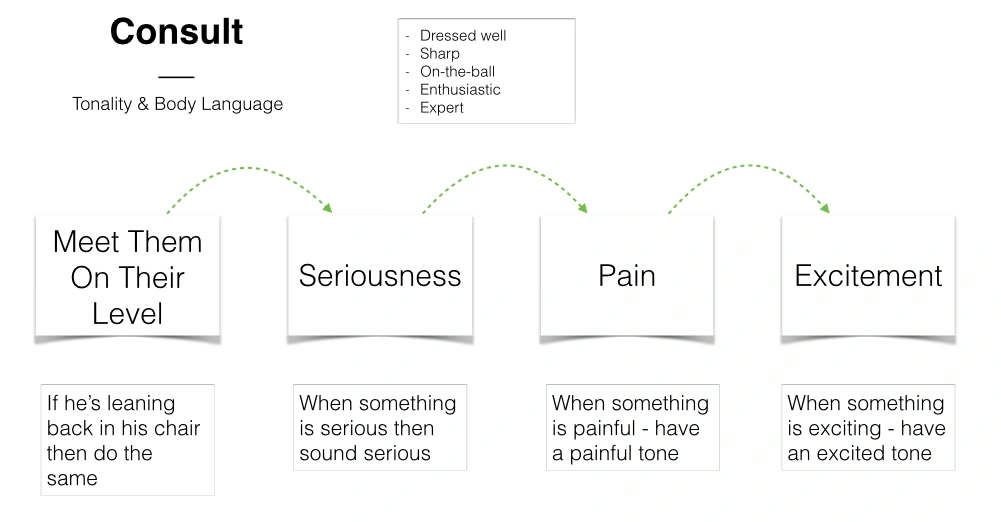
Non-Verbal Communication: Be aware of your body language, facial expressions, and tone of voice. Maintain eye contact, smile, and use a friendly and approachable demeanor to foster a positive atmosphere.
-
Adapt to Communication Style: Observe and adapt to the customer's communication style. Some customers prefer a more direct and assertive approach, while others may respond better to a more relaxed and conversational style. Tailor your communication to match their preferences.
-
Find Common Goals: Identify shared objectives or goals with the customer and emphasize how your product or service can help them achieve those goals. Aligning interests creates a sense of collaboration and partnership.
-
Follow-Up and Relationship Building: After making a sale, continue to nurture the relationship by maintaining regular contact, providing support, and seeking feedback. This helps to solidify the rapport and can lead to repeat business or referrals.
3 Types of Web Dev Services
- DIY (Do it yourself) pay monthly subscription for Wix, Shopify, etc
- Freelancer: cut corners with a small budget to hire a web developer which might or might not be user-friendly for the client to manager
- Web Agency: hire a business with a team of experts to manage your project
BTM is a full service technology consulting company. we have built over 50 websites and been in business for 10 years.