Discovery Meeting / Discovery Workshop
Initial Consultation: The marketing agency will provide an initial consultation to discuss the client's business goals, target audience, and marketing budget.
Connecting With Customers on an Emotional Level
| EMOTIONAL MOTIVATOR | HOW ENTREPRENEURS CAN LEVERAGE THE MOTIVATOR |
|---|---|
| Stand out from the crowd | Project a unique social identity; be seen as special |
| Have confidence in the future | Perceive the future as better than the past; have a positive mental picture of what's to come |
| Enjoy a sense of well-being | Feel that life measures up to expectations and that balance has been achieved; seek a stress-free state without conflicts or threats |
| Feel a sense of freedom | Act independently, without obligations or restrictions |
| Feel a sense of thrill | Experience visceral, overwhelming pleasure and excitement; participate in exciting, fun events |
| Feel a sense of belonging | Have an affiliation with people they relate to or aspire to be in life; feel part of a group |
| Protect the environment | Sustain the belief that the environment is sacred; take action to improve their surroundings |
| Be the person I want to be | Fulfill a desire for ongoing self-improvement; live up to their ideal self-image |
| Feel secure | Believe that what they have today will be there tomorrow; pursue goals and dreams without worry |
| Succeed in life | Feel that they lead meaningful lives; find worth that goes beyond financial or socioeconomic measures |
effective emotional triggers
It's important to note that the effectiveness of emotional triggers can vary depending on the target audience, product/service, and specific context. Conducting market research, A/B testing, and analyzing customer feedback can provide valuable insights into which emotional triggers resonate most effectively with your target market.
- Trust: Building trust is crucial in the tech industry, where customers often rely on companies to handle their sensitive data and provide reliable solutions. Studies have shown that trust is a key factor in consumer decision-making. Utilize testimonials, reviews, security certifications, and transparent communication to establish trust with potential customers.
- Value: Demonstrating value is important in any industry, including tech. Research indicates that consumers seek products or services that provide a good return on investment. Highlight cost savings, efficiency improvements, or unique features that offer value to customers.
- Fear: While fear can be a powerful emotional trigger, it must be used carefully in the tech industry. Instead of using fear tactics, focus on alleviating customers' concerns and addressing potential risks. Assure them of the security measures, privacy protection, and reliability of your solutions.
- Instant Gratification: In the fast-paced world of technology, customers often look for immediate solutions. Highlighting quick implementation, time-saving features, or instant results can appeal to consumers' desire for instant gratification.
- Competition: The tech industry is highly competitive, and customers often want the latest and best technology. Appeal to their desire to stay ahead of the curve by highlighting how your product or service provides a competitive edge or sets them apart from their peers.
- Time: Time-saving solutions are highly valued in the tech industry. Emphasize how your product or service can streamline processes, automate tasks, or reduce time spent on manual activities.
- Trend-setting: Positioning your product or service as innovative, cutting-edge, or trend-setting can appeal to customers who want to be seen as early adopters or industry leaders. Showcase how your offering represents the future of technology.
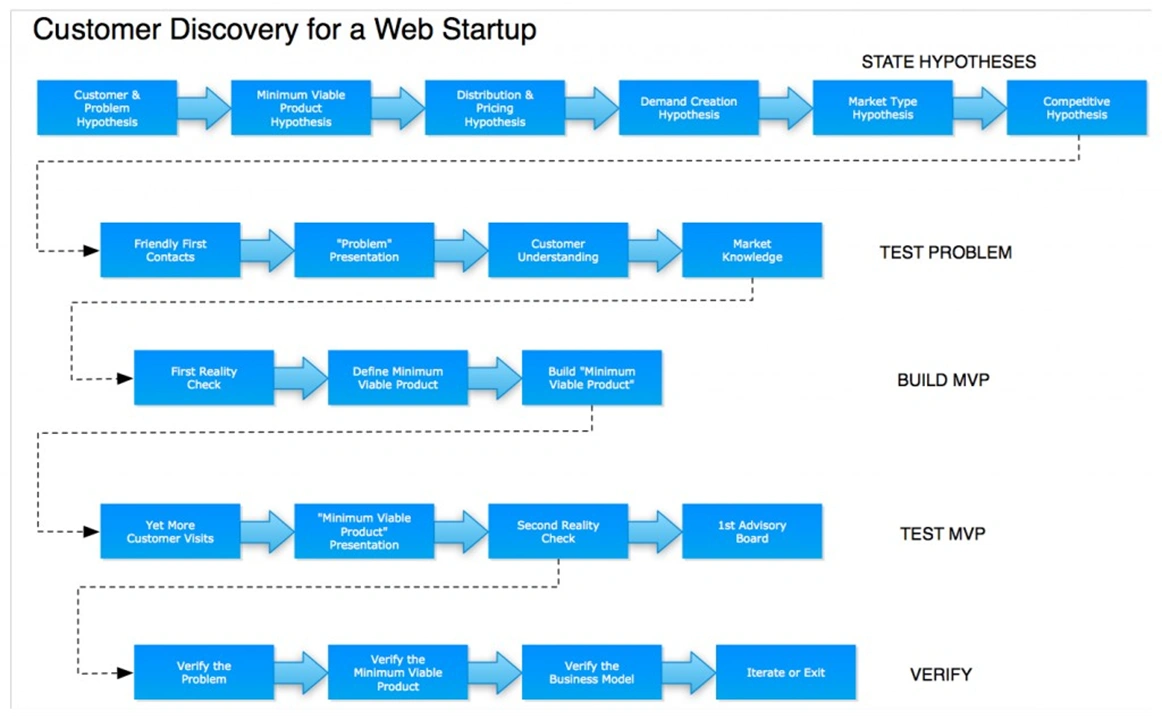
A discovery workshop is a collaborative meeting or series of meetings between a software consulting firm and a client to identify and define the client's needs, goals, and requirements for a software development project. The goal of a discovery workshop is to gather information and insights that will guide the development process and ensure that the resulting software solution meets the client's needs and expectations.
During a discovery workshop, the consulting firm and the client may engage in a variety of activities, such as:
Information gathering: The consulting firm may ask the client questions about their business, processes, and goals to gain a better understanding of their needs and requirements.
Requirements gathering: The consulting firm may work with the client to identify specific features and functionalities that the software solution must have to meet the client's needs.
User research: The consulting firm may conduct user research to understand the needs and preferences of the end-users of the software solution.
Design thinking: The consulting firm may use design thinking methodologies to identify potential solutions to the client's needs and requirements.
Rapid prototyping: The consulting firm may create rapid prototypes of potential software solutions to test and refine ideas.
Collaboration: The consulting firm and the client work together to develop a shared understanding of the project requirements and goals.
The output of a discovery workshop is typically a document or series of documents that outline the project requirements, goals, and scope. This document(s) is then used as a foundation for the software development process. A discovery workshop is an important step in the software consulting process because it helps to ensure that the consulting firm and the client are aligned on the project goals and requirements, which can ultimately lead to a successful software development project.
Discover Pain Points
- Our data is in silos (in multiple, unintegrated locations). Can't retrieve information quickly enough.
- Maintaining data security over client files is a struggle.
- Too many software apps to manage.
- We receive documents from so many avenues it's hard to keep everything in one place.
- We waste time chasing after customers to send us their documents.
- Workflow is tracked manually in a shared spreadsheet; we have no digital workflow in place.
- We rely on one software vendor too much. All our eggs are in one basket.
- We do not keep track of retention properly and documents get lost, which increases our risk.
Revenue Questions
what's your break even number? what's your goal revenue number?
The Purpose is to identify pain points
Pain Point 1 > A Bad or Templated Design
the possible reasons for a website redesign, such as rebranding, launching a new product/service, optimizing for conversions, responsive web design, and improving SEO and site performance.
Broad Questions
- describe a "must-have" feature,
- What problems are you currently facing with ___your business service__?
- What would "success" look like if we solved these problems?
- What's working well with your current system? What's not working?
Initial Objections
Don't Need it

- We don’t need a website. Additional cost to our business.
- I know someone who can make me a website (for free/very cheap).
- I don’t have enough sales/revenue to build an online store now.