UX Writing
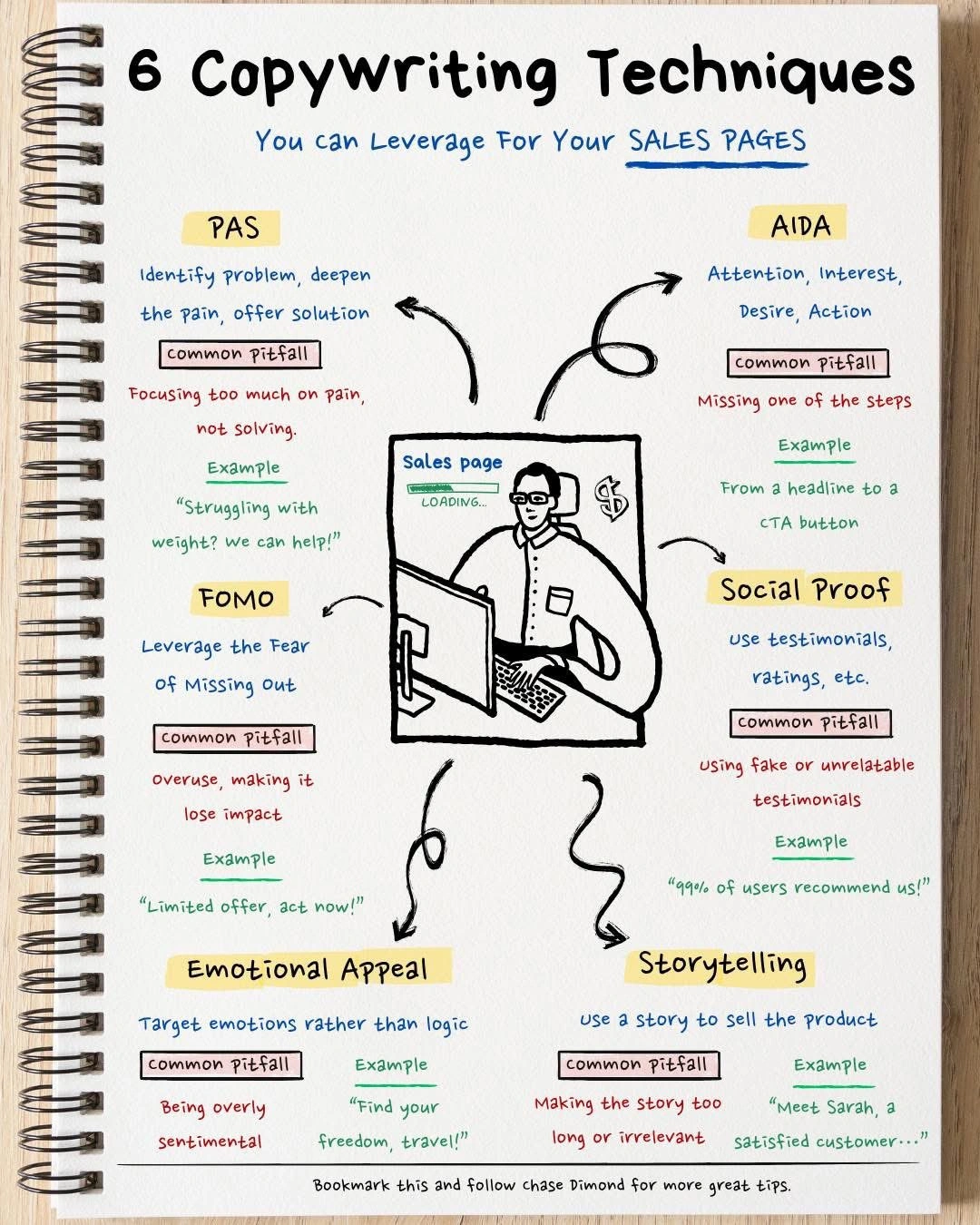
Table of Contents
- SEO writing: meta descriptions and optimizing articles for search
Editorial judgment, in the context of a web content copy editing job role, refers to the ability to make informed and subjective decisions about the content being edited. It involves assessing the quality, accuracy, clarity, tone, style, and overall effectiveness of the content to ensure it meets the desired standards and objectives.
key aspects of editorial judgment in web content copy editing
Quality and Accuracy
An editor with strong editorial judgment evaluates the content to ensure it is of high quality and accurate. They check for factual errors, inconsistencies, and logical coherence, ensuring that the information presented is reliable and trustworthy.
Clarity and Readability
Editorial judgment involves assessing the clarity and readability of the content. Editors consider the target audience, ensuring that the language, sentence structure, and organization of the content are appropriate and easily understandable. They may rephrase or simplify complex ideas to improve comprehension.
Tone and Style
Editors make decisions about the tone and style of the content based on the intended audience and purpose. They ensure the content aligns with the brand voice and guidelines, maintaining consistency in language, tone, and overall style across different pieces of content.
Objective Evaluation
Editors exercise objectivity when reviewing content, setting aside personal biases or preferences. They evaluate the content based on established guidelines, style manuals, brand standards, and industry best practices.
Adaptability and Flexibility
Editorial judgment requires adaptability to different content types, topics, and platforms. Editors must understand the context and purpose of the content to make appropriate editorial decisions. They may need to adapt the content to suit different mediums, such as web articles, blog posts, social media updates, or email newsletters.
Ethical Considerations
Editors with strong editorial judgment consider ethical guidelines and standards when editing content. They ensure that the content respects copyright laws, avoids plagiarism, and adheres to any legal or ethical obligations relevant to the subject matter.
The Copywriting Checklist
- Instant Clarity Headline
- Declare The Problem
- Present Your Solution
- Borrow Credibility
- Social Proof
- Testimonials
- Clear Call To Take Action
- Reverse All Risk
- Price Anchoring
- Frequently Asked Questions
INSTANT CLARITY HEADLINE:
Formula= End Result Customer Wants + Specific Period Of Time + Address The Objections
DECLARE THE PROBLEM:
Formula= Explain the problem using your customers words
PRESENT YOUR SOLUTION:
Formula= Product Name Helps You Do [Task]. Say Goodbye To [Frustration] And Hello To [Benefit]. You Get [Top 3 Features + Benefits For Each Feature]
BORROW CREDIBILITY:
- Tie your company to trusted symbols and famous authorities.
- Put the biggest brands all over your marketing pages, even if they don’t use your product.
SOCIAL PROOF:
- Show people are using your stuff and signing up
TESTIMONIALS:
Formula= Specific end result or benefit customer got + Specific Period of time + Accompanied Feeling + The Persons Name With Their Stats
CLEAR CALL TO ACTION:
- Tell the customer to do something, such as asking for money (without guilt)
REVERSE ALL RISK:
Formula= If you don’t love [product], call or email us and we’ll refund every penny immediately.
PRICE ANCHORING:
- Make your price seem like a bargain
FREQUENTLY ASKED QUESTIONS:
- Boost your conversions by as much as 85% with an FAQ!