Google Search Console
-
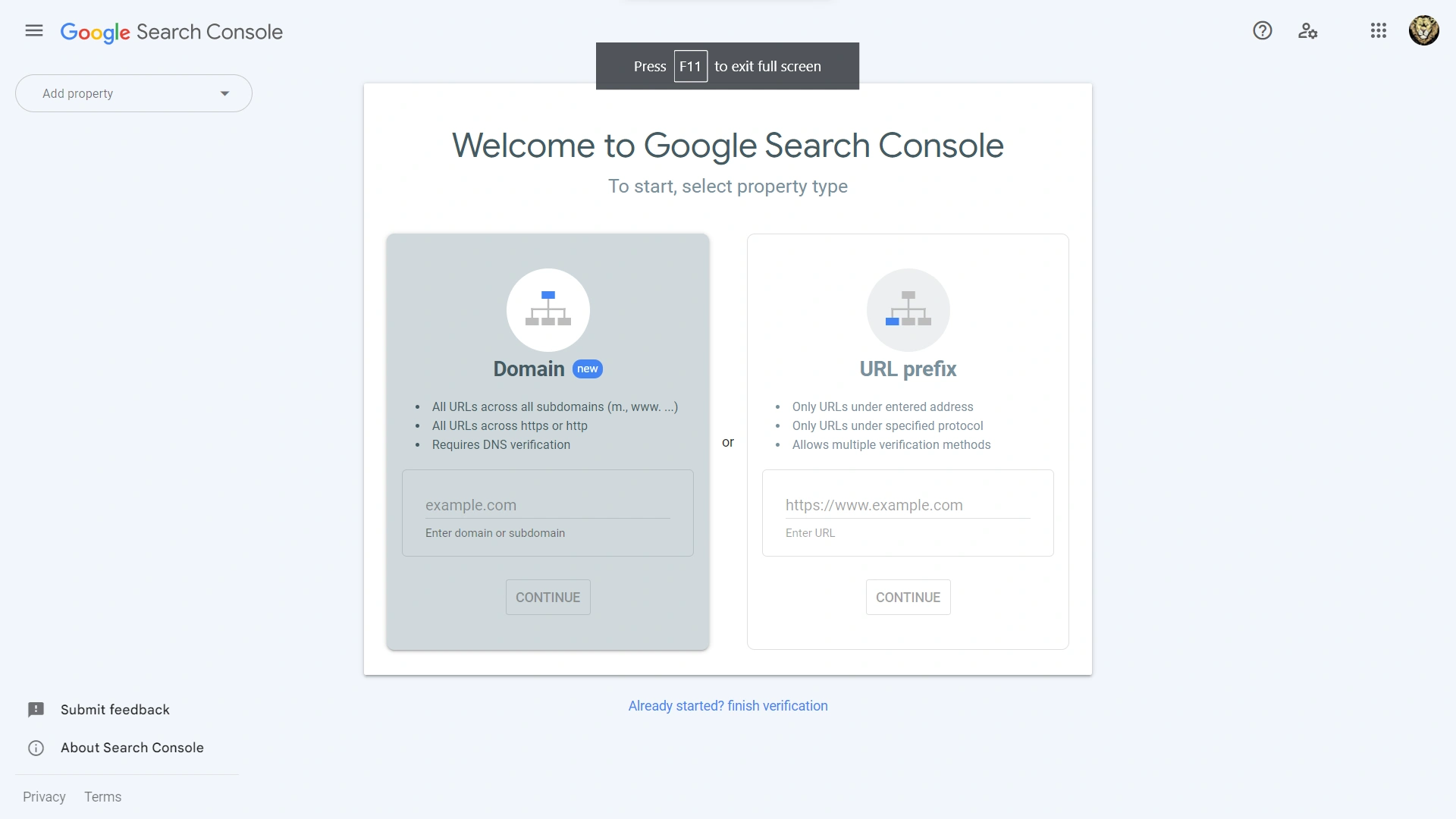
Website Verification: Website owners need to verify their websites in Google Search Console to gain access to the data and tools provided by the platform. Verification can be done by adding a verification code or tag to the website's HTML or through alternative methods like Google Analytics or Google Tag Manager.
-
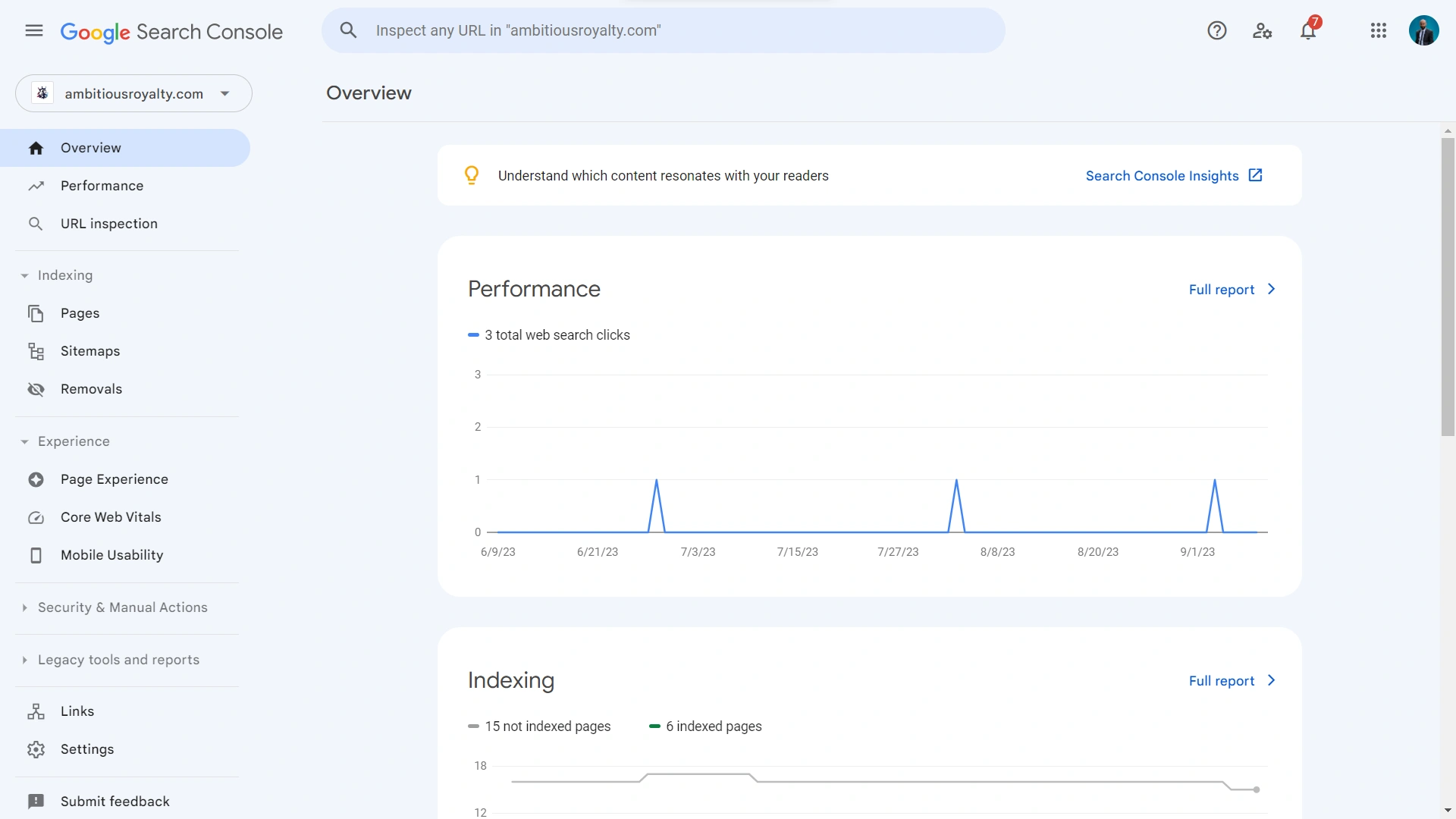
Performance Reports: Google Search Console provides performance reports that offer valuable data about how a website is performing in Google search results. It includes information on impressions, clicks, click-through rates (CTR), and average position for specific search queries and pages. It helps website owners understand how their content is performing and identify optimization opportunities.
-
Indexing Status: This feature allows website owners to check the indexing status of their website's pages and see if any pages are blocked from being crawled or indexed by Google. It helps ensure that all important pages are being properly indexed.
-
URL Inspection: With the URL inspection tool, website owners can submit individual URLs to Google for indexing, check the status of indexed pages, and view information about how Google sees and processes specific URLs.
-
Sitemap Submission: Website owners can submit a sitemap to Google Search Console, which helps Google discover and index the website's pages more efficiently. Sitemaps provide a list of URLs and additional information about the website's structure to assist with crawling and indexing.
-
Mobile Usability: Google Search Console includes a mobile usability report that identifies any issues or errors on a website that may impact its performance and user experience on mobile devices. This helps website owners optimize their site's mobile compatibility.
-
Security Issues: Google Search Console alerts website owners about any security issues or malware detected on their websites. It provides notifications and guidance to help resolve these issues and keep the website secure.
Google Search Console is a valuable tool for website owners and webmasters to monitor, manage, and optimize their website's presence in Google search results. It provides insights and information that can help improve a website's visibility, performance, and user experience.
How the Google index works
Google's bots, or "spiders" crawls, indexes, and ranks web pages to deliver search results. Crawling helps to discover new and updated pages through links and sitemaps, then store this data in its massive index, a database that powers search results. The post emphasizes the importance of optimizing websites for crawling by ensuring fast load times, mobile-friendliness, and proper use of robots.txt and meta tags to avoid indexing issues. It also highlights strategies like creating high-quality content, using internal linking, and submitting sitemaps to improve a site's visibility in Google's index and boost search rankings.