SEO
GEO - Generative Engine Optimization
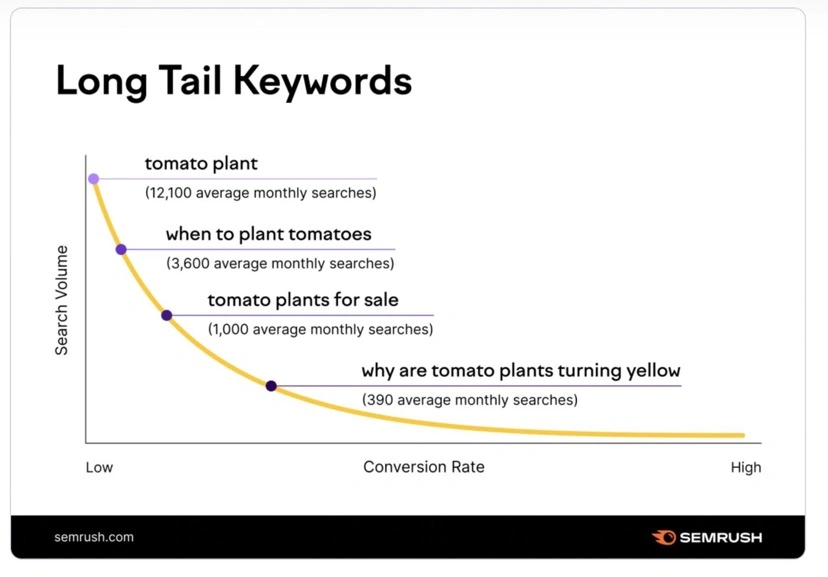
Long-tail Keywords
| Terms | Definitions |
|---|---|
| keyword inclusive site structure | Keyword-inclusive site structure is an SEO-first architecture that mirrors target search terms in URLs, folders, and internal links so every level of the hierarchy signals topical relevance to search engines. |
| Google Search Console | Google Search Console (formerly known as Google Webmaster Tools) is a free web service provided by Google that allows website owners and webmasters to monitor and maintain their site's presence in Google search results. It provides valuable insights and tools to help optimize a website's performance in Google's search engine. |
| Schema Markup | Implement structured data markup on your website using Schema.org. This helps search engines understand your content better and can enhance your appearance in local search results, particularly for specific business information like addresses, phone numbers, and operating hours. |
| rich snippets | enhanced search results with additional information |
| Link Juice | Link juice is the SEO value or authority passed from one page to another through hyperlinks, boosting the recipient page’s ranking potential. |
| click depth | Click depth is the number of clicks it takes to reach a given page from the homepage, and the fewer clicks required, the more authority, crawl priority, and ranking potential that page is perceived to have by search engines. |
| backlinks | |
| dofollow links | passes link equity |
| link velocity | Link velocity is the rate at which a website gains or loses backlinks over a specific period, influencing how natural and trustworthy its link profile appears to search engines. |
| short-tail keywords | |
| user intent (informational, navigational, transactional) | |
| SERP - search engine result page | |
| social signals | Social signals are the collective shares, likes, comments, and overall visibility a webpage accrues on social-media platforms, used by search engines as indirect indicators of content quality and popularity. |
| topic authority | Topic authority is the perceived expertise and trust a site builds around a specific subject by consistently publishing comprehensive, high-quality content and earning relevant backlinks, boosting its rankings for related queries. |
| Keyword Lists | Keyword lists are curated sets of search terms—grouped by intent, volume, or topic—that SEOs target to guide content creation, on-page optimization, and performance tracking. |
| byline dates | Byline dates are the publication or last-updated dates shown next to an author’s name, signaling content freshness to both readers and search engines. |
| inbound links | Inbound links are hyperlinks from external websites pointing to your pages, acting as third-party votes of confidence that directly influence search-engine rankings. |
| crawl budget | Crawl budget is the number of pages a search engine bot will crawl on your site within a given timeframe. |
| domain authority | Domain Authority is a search-engine ranking score (0-100) that predicts how likely an entire domain is to rank based primarily on the quantity and quality of its inbound links. |
| Full-Stack SEO | Full-Stack SEO is the practice of owning every layer that affects organic performance—servers, code, content, links, and analytics—so technical fixes, on-page tweaks, and off-page gains ship in one continuous, dev-powered workflow instead of waiting in tickets queues. |
penalties
identifying, recovering from, and preventing penalties that can drastically impact website rankings and organic traffic. Google penalties, either manual (imposed by Google’s webspam team for violating quality guidelines) or algorithmic (triggered by updates like Panda or Penguin), result in significant ranking drops due to issues like thin content, keyword stuffing, cloaking, or unnatural backlinks. Marketers should prioritize high-quality, user-focused content, avoid black-hat SEO tactics, and regularly audit backlink profiles using tools like Ahrefs or Google Search Console to detect toxic links. Engineers should ensure technical compliance with Google’s Search Essentials, addressing issues like slow page speed, duplicate content, or improper redirects, and implement structured data correctly to avoid penalties. Recovery involves identifying the penalty type via Google Search Console’s Manual Actions report, fixing issues (e.g., removing spammy links or enhancing thin content), and submitting a reconsideration request for manual penalties. Prevention requires ongoing monitoring of traffic patterns with tools like Google Analytics and maintaining ethical SEO practices to align with Google’s focus on user experience and content relevance.