BUILD then MARKET Web Agency Business Plan


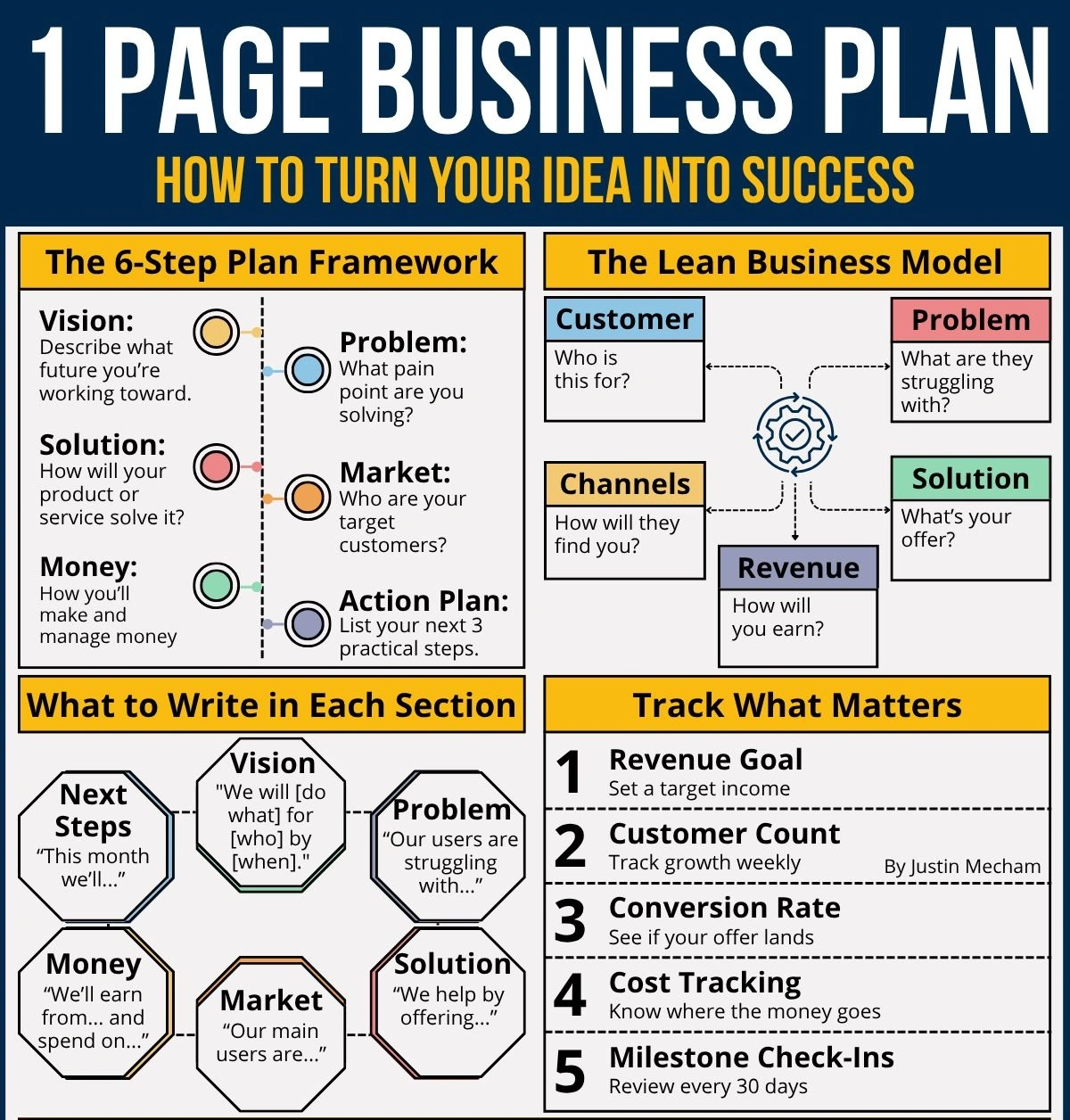
Table of Contents
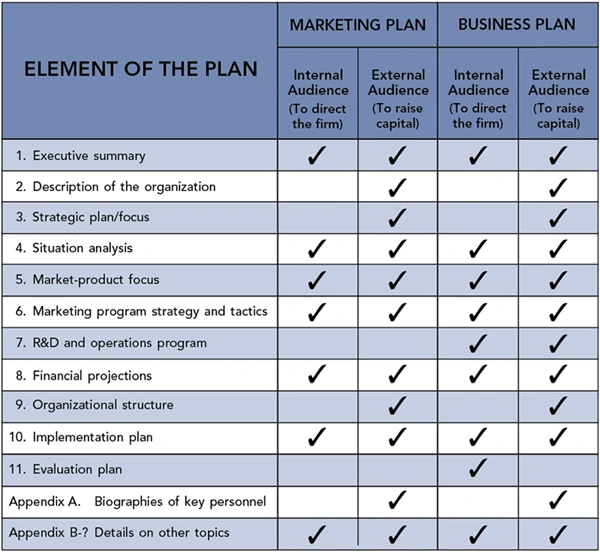
| Topics | # of Pages | Description |
|---|---|---|
| Executive Summary | 1 | A brief overview of the company, its products or services, and its goals. What is the business idea and what problem does it solve? |
| Company Description | 2 - 3 | A detailed description of the company, including its history, mission statement, and organizational structure. What is the team behind the business and what are their qualifications? |
| Product or Service Description | 3 | A detailed description of the software product or service offered by the company, including its features, functionality, and value proposition. |
| Market Analysis | 2 - 3 | A comprehensive study of the industry and market in which the company operates, including its competition, target customers, and trends. Who is the target market for the product or service? How will the product or service be marketed and sold? |
| Competitor analysis | 1-3 | >> see Competitor analysis.md What is the competitive landscape and how does the business differentiate itself from competitors? |
| Marketing Plan | 20 - 50 | >> see Digital Marketer/5-yr-mktg-plan.md |
| Product or Service Plan | A service plan for a business outlines the products or services that the business will offer to its clients. A subscription plan that provides customers with access to a software application or platform. | |
| Sales Strategy | 10 - 25 | >> see Sales Folder A plan for how the company will promote and sell its software, including target markets, pricing strategy, and distribution channels. |
| [Start-up Costs] | >> see Accounting Folder What are the startup costs and how will they be funded? | |
| Financial Projections | 5 - 6 | Financial projections for the company, including revenue, expenses, profits, cash flow, and profitability. What is the long-term vision for the business, including growth and expansion plans? |
| Funding Requirements (see start-up, financial planning) | A description of the funding needed to start or grow the company, including sources of funding and how the funds will be used. | |
| Risks and Mitigation: risk-management | 1 - 2 | |
| Business Plan Total | 20 - 30 | before appendices |
| Appendices | 10 - 15 | Charts, Tables, Diagrams, Research |
| Total | 30-45 |
The purpose of a business plan
- Defines your business.
- Clarifies the market.
- Defines your product.
- Outlines the go-to-market strategy.
- Creates an operating plan.
Executive Summary
BUILD then MARKET was officially launched in New Jersey as a software development and digital marketing business on February 1st, 2016. Build Then Market creates engaging and interactive web and mobile apps that give our clients a competitive advantage.
BUILD then MARKET is an LLC based in New Brunswick, New Jersey, owned and operated by Abhinav Ray. We offer UX Design, Web Development, and Digital Marketing. We began working on the start-up in late 2013 until about January 1st 2015, when Abhi purchased a new website domain for the brand. The business was then more formally established on Feb 1st, 2016. Our business primarily does B2B web design for small businesses and some technology / business consulting for entrepreneurs.
BUILD then MARKET is trained in software development. Our team has experience and toughness that grew over time in start-up launching, brand identity designing, and project planning. We assist people with Digital Advertising and Digital Marketing which increases visibility and revenue online. IT Project Management includes planning, development, and testing. Our services complement most businesses looking to assemble a great design for web applications and mobile apps.
BUILD then MARKET’s target market are retail businesses, freelance professionals, or any other organization in New Jersey, New York, Pennsylvania, and Delaware. Many twenty-one to thirty-five year old millennials are developing their careers with a web presence. Another target persona are senior business owners seeking to automate their services for better efficiency and to give their business a competitive edge in the online era. Many professionals that work outside of IT often need guidance on how to establish and expand their web presence.
Often looking to build their brands, our prospects are seeking reliable software developers to handle the tedious and frustrating steps of programming. Most of the time, their E-Commerce goals haven’t been met. Their online presence isn’t generating new visitors or new sales.
Despite the challenges and competitors of all sizes, we believe our capabilities can find us success and longevity in this market. Our team can support a wide range of products and services to grow a mature base of client applications. We place an emphasis on building value for our clients. Our belief is that quality and personal empathy will help us to succeed.
Company Description
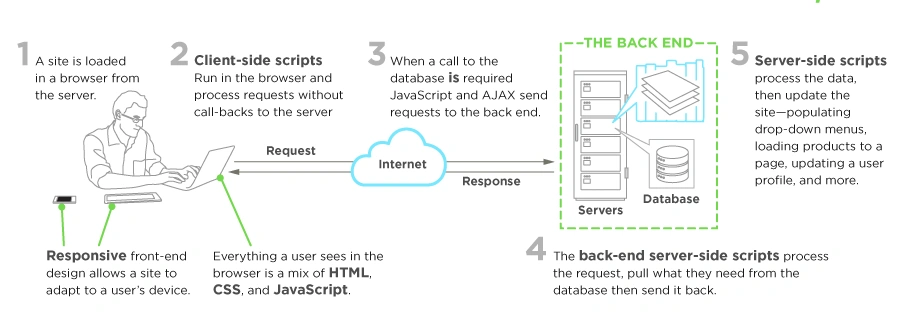
The need for web development is reaching new heights since the growth of smartphones and web connectivity, there are 2 billion websites on the web today. There is a strong demand for businesses to quickly enter the digital arena and expand their offerings to the web. Often business owners are too busy running their company, unaware of how to update their internal operations to use software, and do not have time to dedicate towards increasing their online presence. The most common barriers are usually the cost of entry, time dedication, tech savvy skills, and ROI. The would-be e-tailers are discouraged as a result of these obstacles. Our products and services are all customized and developed based on business demands. We specialize in addressing the needs of SMEs (micro, small and medium-sized enterprises; employing 250 people or less) by attentively listening, giving honest feedback and criticism, using pragmatic and effective ideas, and flawless goal-oriented communication.
Market Analysis
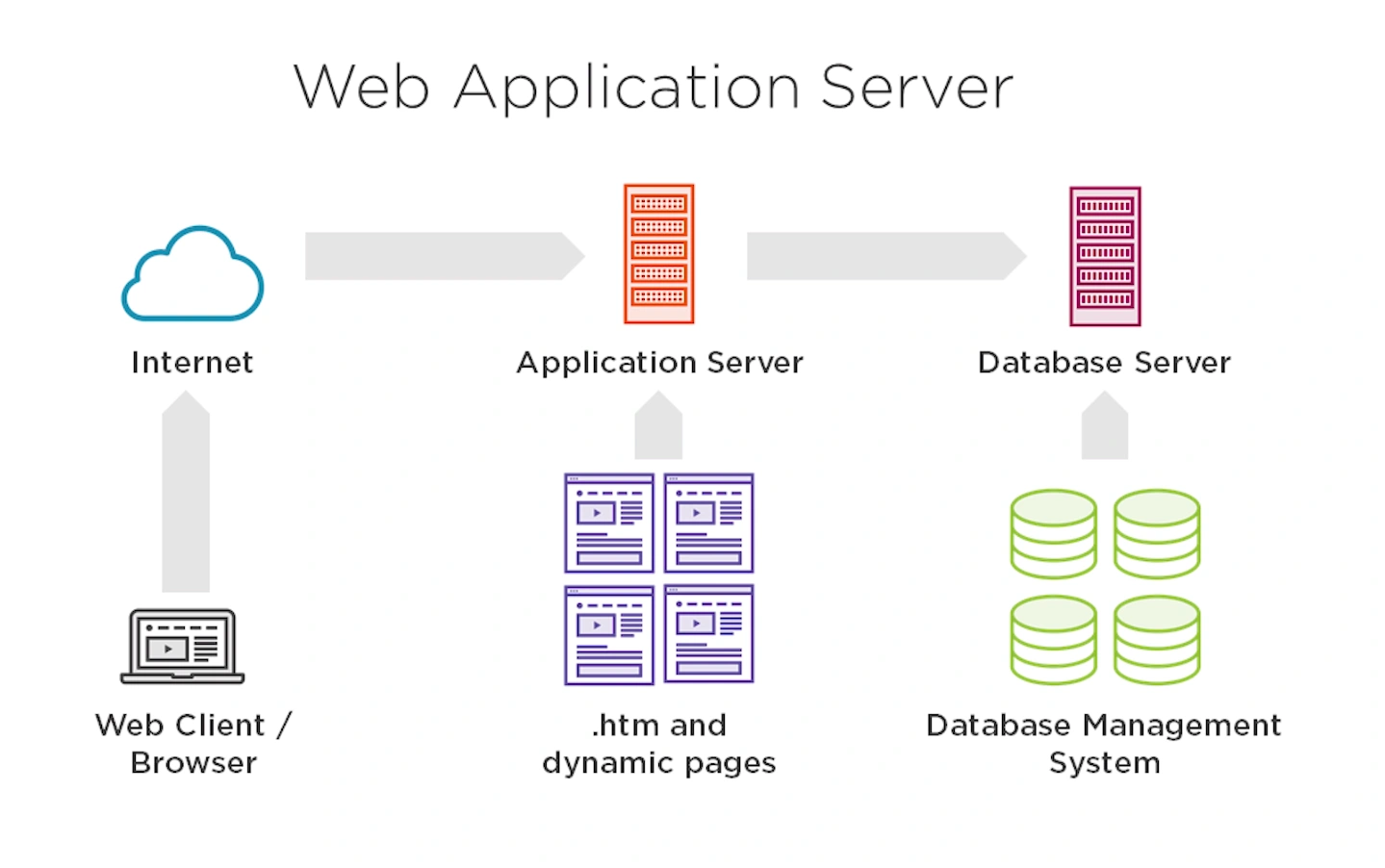
The web development industry is well established. It has been through peaks, valley, and bubbles. Based on empirical evidence, we can see that being an Internet merchant has never been easier than ever before. Unlike traditional brick-and-mortar establishments, e-commerce business owners have lower barriers to entry and can target a particular market segment with lower costs than the former. However, the ability to monetize your online storefront to consistently sell to the masses did not get much easier. Aside from the marketing and advertising campaigns that we can help our customers with, there are administrative costs, performance optimizations, and agile-based strategies that must be in place for e-commerce businesses to thrive. That is where BUILD then MARKET comes in as we are perfectly placed in the market sector to deliver all of those attributes for a competitive price. Our organization has adopted a lean product development process by practicing the various current market trends and incorporating them into our multi stage pipeline. It will help us deliver software on time, stay on budget, and produce at a high quality.
Even though free tools like WordPress are open-source, user-friendly, and useful they do not provide the level of control nor the attention to detail that businesses are looking for. These Content Management Systems (CMSs) put restrictions on the level of customization, which take months or even years and lots of wasted resources and manpower, to overcome. That is why small firms are able to enter the market with little resistance and small barriers to entry, but most of the time their offerings are still similar to WordPress, Shopify, Wix, Drupal, Joomla, or Magento based templates. Although this is excellent for personal and limited small business needs, it lacks sufficient control when development projects grow to accommodate large scale businesses or greater amounts of data computation.
Our staff is trained in creating high quality content for blogs. The blog articles will be geared towards the business domain of the website. Having effective Web Content Management (WCM) is an important piece of the puzzle that is frequently overlooked. Corporations wonder how Google’s search ranking algorithm works and spend millions of dollars investing time and energy into the wrong aspects of their web strategy. High quality content takes thorough research on buzzwords, creative writing ideas, and requirements gathering. Our research methods to document questions from users include: field interviews, focus groups, user modeling, demographics, psychographics, and information architecture. These blog articles will address a large variety of topics from user problems and pain points to auxiliary subject matter based on long tail keywords.
The customer facing design side of web development is the most rapidly evolving part of e-commerce application development. Our company employs software developers experienced with creating and modifying the latest UI/UX technologies. These include client-side browser rendering programming languages like Twitter Bootstrap, Angular, and JQuery. These blog articles will address a large variety of topics from user problems and pain points to auxiliary subject matter based on long tail keywords. In addition to a blogging presence, our team of inbound marketing experts will supervise our users’ online relations such as search engines, mobile ads, and social media networks. In short, our business strategies all combine to give the small business owner the best online tools in order for them to succeed and carry on business better than before.
In summary, our company is looking to supply local business owners and aspiring entrepreneurs with an innovative and professionally designed website that is easy to navigate and one that can also monitor business tools via the dashboard analytics software. This way we look forward to building a strong and recognizable brand that meets client demands and fosters growing business relationships with our clients. We have a disruptive business model that can reduce time to market exponentially while at the same time saving our clients hundreds of dollars in cost due to our lean model. We are a small and flexible team that is cost-effective but simultaneously capable of handling large projects. As mentioned above, business owners will be able to track the progress and growth of their web presence in real time through custom analytics that provides Key Performance Indicators (KPIs) on visitors. BUILD then MARKET will be responsible for the design of high quality content, maintenance of client websites, and have good functionality to meet deliverables in a timely manner.
Logo

The BTM Story
formerly we were known as BUILD then MARKET, because it's actually really hard to find a good business name where the dot com is available... Part Digital Marketing Agency, Part software engineering consulting firm, we are building a team of cross-functional leaders to work on complex projects.
Our consultancy is composed of a diverse group of working class Americans. We employ a wide variety of talent, from far and wide. The core members decided to go the entrepreneurial route and the pursue a tech startup like y-combinator. We drink coffee, read up on trends, and live a technocentric life.
Our Story
Abhi's entrepreneurial journey began in 2006. Since then, Skyline Global has ventured into e-commerce, enterprise web services, and tech startups. Our full suite of services help businesses gain more localized search results, increase online sales, and grow their social network presence to ultimately convert leads. We are always learning and willing to expand to a variety of net related services to help local business grow from zero to enterprise.
Our Skills
The Skyline Global concept began to form a as far back as 2013. Abhi finally launched his New Jersey community owned and operated business in February 2016. Abhi’s advisors were friends that were specialists in their fields. His goal is to build a team that combines agile development with lean startup techniques for producing custom software development. We only provide top tier technologies that create a beautiful marketing solution for your company. Here’s a glance at some of our consultants skills.
BTM HISTORY
Official Birthday: Feb 1st, 2016
BTM has been in business since 2013 and has undergone many changes to reach the point it is at today. BTM first began with the notion of analytics SAAS technologies being a lucrative industry. The company continued to evolve throughout the years as the services became more well-defined and adapted to real world problems and solutions engineering. it’s an exciting time to grow with the company!
Purpose Statement
BTM provides a variety of services to ____________ and ______ and revolves all of our work around the purpose statement of:
Questions all team members can answer
-
What does your business do?
-
Why did you start the business?
-
When did you start the business?
Service Description
Our deliverable for our customers is a project. and projects are supposed to end. the customer has a result that they want. Find out the key processes and requirements of the customer's ideal solution; time, cost, risk, communication style, change control.
- Digital Marketing Strategy
- Social Media Marketing
- E-Mail Marketing
- SEO / SEM
- Facebook Ads
- Business Intelligence
- Analytics
- UX Design
- Software Development
- Mobile Apps
- Databases
- Web Development
- WordPress
- Shopify
- Wix
- Magento
- E-Commerce
- Business Development
- Branding
Idea Validation & market validation
- Define Goals: Clearly outline what you aim to validate (e.g., product concept, market demand, user experience). Identify key performance indicators (KPIs) to measure success.
- Market Research: Define who your Target Audience and Competitor Analysis: Study existing solutions and market trends to understand gaps and opportunities.
- Formulate Hypotheses: Create specific statements about your product and its market assumptions (e.g., "Users will prefer feature A over feature B").
- Validation MethodsGather qualitative feedback from Surveys and Interviews to understand their needs and preferences. Develop a minimum viable product (MVP) to test core features.Landing Pages: Create a landing page to gauge interest and collect email sign-ups before the product launch.
- User Testing: Conduct usability tests with real users to gather insights on the product experience. Feedback and Iterate: Use feedback to refine the product, adjusting features, design, or functionality based on user input.
- Analyze and Evaluate Results: Analyze data collected from validation efforts against your initial objectives and metrics. and Make Decisions: Decide whether to proceed, pivot, or iterate based on findings.
- Implementation Plan: Outline the steps for further development or launch based on validated assumptions and Create a timeline for implementation, including key milestones.
- Continuous Validation: Ongoing Feedback: Establish a process for continuous user feedback even after launch to ensure the product evolves with market needs.
https://www.youtube.com/shorts/lVOO7N-6hrk
- It satisfies a user need (e.g., managing customer relationships, organizing workflows).
- It has a defined user experience that is intentionally designed (the core focus of product design).
- It is offered to a market for a price.
Market Analysis
100-300k new business are launched in the US every month. some of them will need websites.
Market Size: The market size for freelance web development is millions of businesses and individuals in need of website development services. According to some estimates, the global web development market was valued at over $61 billion in 2020 and is expected to continue growing.
Fragmented market, no major player dominates the web development market (2019 numbers?)
- Big Data Market Size: $10 Billion
- MarTech Market Size: $28 Billion
- AdTech Market Size: $71 Billion
- Outsourcing Market Size: $443 Billion
- B2C E-Commerce Market Size: $264 Billion
- B2B E-Commerce Market Size: $780 Billion
Market Trends: The web development industry is constantly evolving, with new technologies and design trends emerging all the time. Finding a competent freelance web developer with up-to-date knowledge of the latest trends and technologies is hard because they charge a high price tag.
Customer Segments: The customer segments for freelance web developers can vary widely, from small businesses and startups to large corporations and government agencies. Each segment may have different needs and requirements when it comes to website development, so it's important for freelance web developers to understand their target customers' unique needs.
Competition: The freelance web development industry is highly competitive, with many developers vying for the same customers. Freelancers may face competition from other freelancers, as well as from web development firms and agencies.
Pricing: Freelance web developers must be competitive with their pricing while still making a profit. Pricing can vary depending on factors such as the complexity of the project, the developer's level of experience, and the geographic location of the developer and the client.
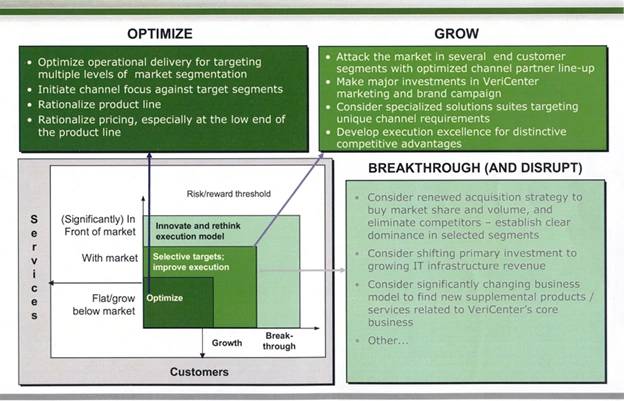
- reduce time to market:
- we need to explain the advantages of working with us vs. their 15 other price quotes of different web app shops Generate leads
- disruptive business model:
- we have a disruptive business model because we are smaller, nimbler team that is gonna cut back on wages costs and we can still handle larger projects Become thought leader in industry
- focus and narrow our geographic target audience
- it would be these domestic areas
- we can narrow target to the northeast, where Abhi Ray is at
- Friends can do sales in the Midwest
- CTO in the southeast
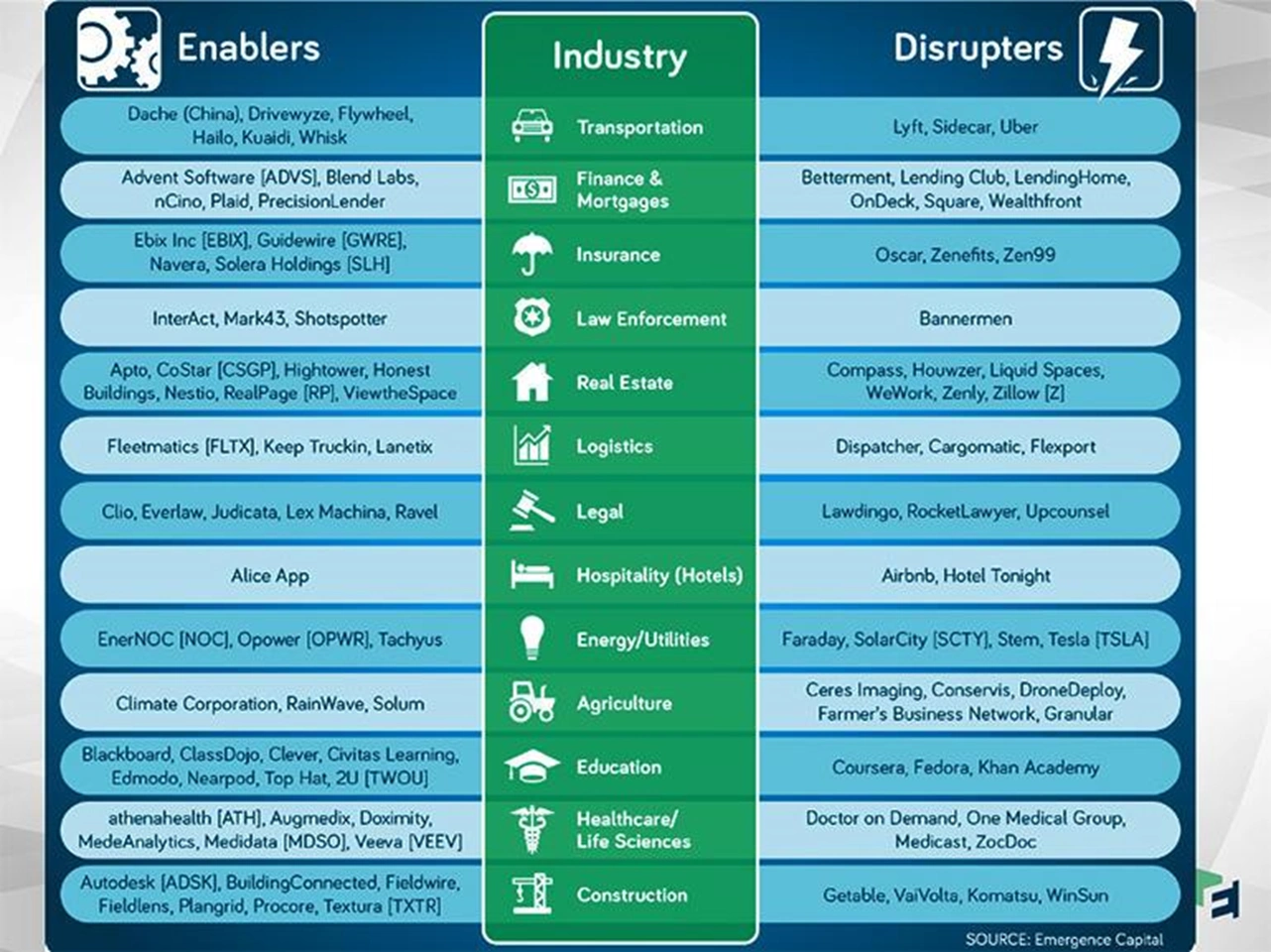
Provide quality applications at economy prices
- consulting work we can offer many services, e no limits can outsource for us so if somebody wants to pay for a salary developer, we can provide that referral service Build a strong and recognizable brand
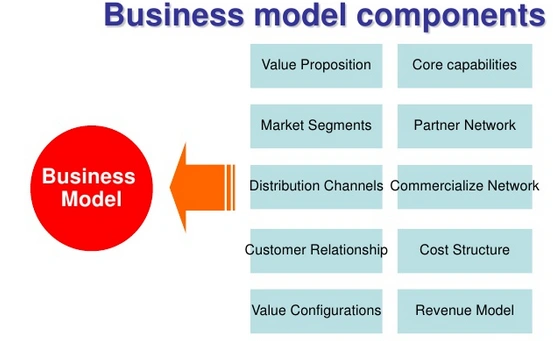
Unique Differentiation
- rethinking the customer journey with the impact of technology in mind.
- taking smart risks
- intrapreneurs
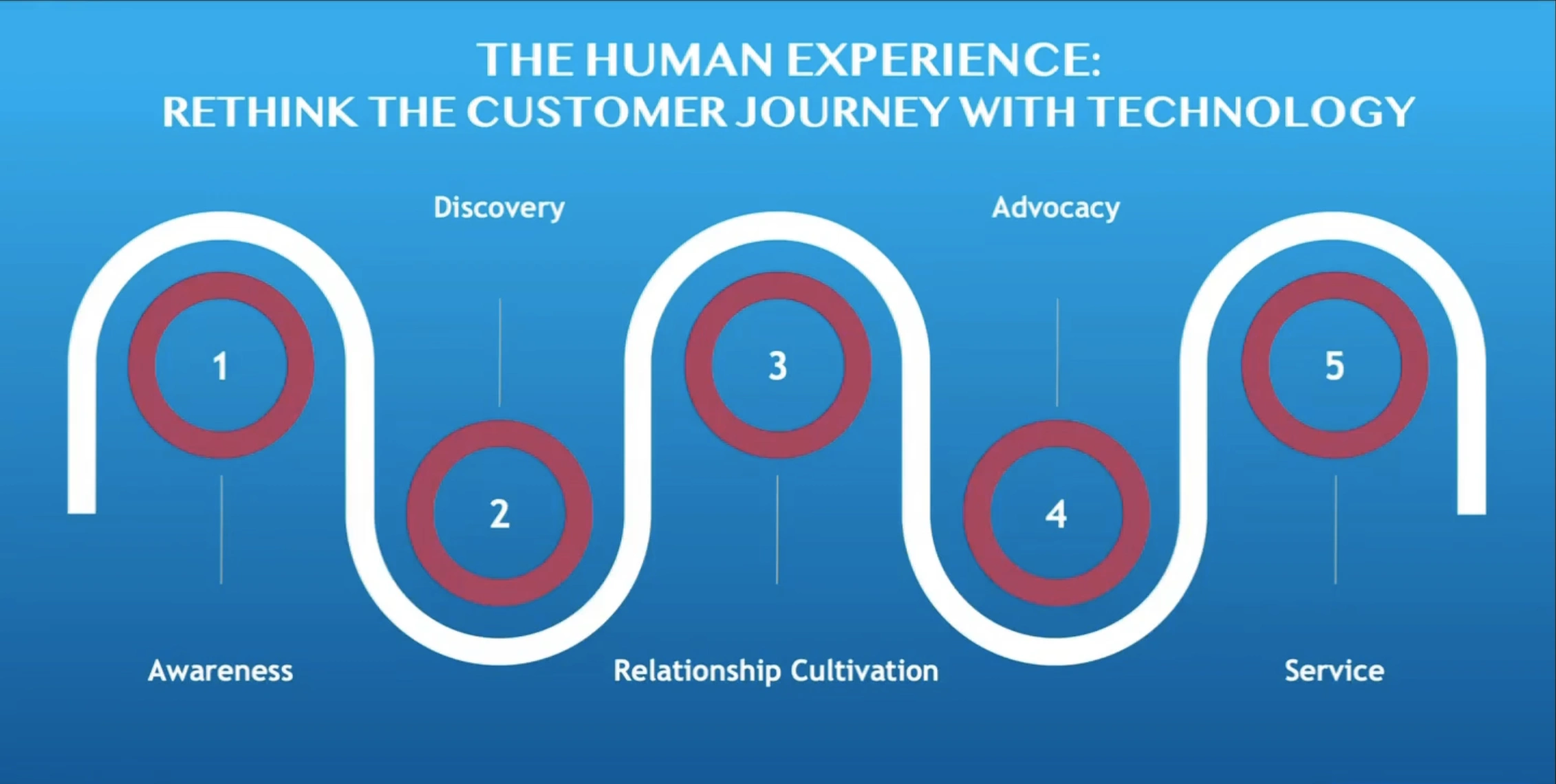
We build trust by proving we are competent and capable of delivering results in a rapidly changing landscape shaped by technology and shifting customer expectations. Key points include:
-
Changing Consumer Expectations: The pandemic has accelerated demands for personalized, integrated financial experiences, with consumers now expecting seamless interactions across various channels.
-
Rise of FinTech and Big Tech: FinTech firms are increasingly viewed as trusted financial providers, overtaking traditional banks in consumer trust metrics, especially among younger demographics.
-
Evolving Trust Dynamics: Trust in traditional FIs is eroding, with many consumers prioritizing data protection and quality of service. The article highlights that a significant portion of consumers now trusts FinTech firms over banks.
-
Need for Digital Transformation: To compete, FIs must embrace digital strategies that focus on customer-centric models, utilizing data effectively to create hyper-personalized services.
-
Creating Connected Experiences: FIs should aim to deliver holistic and connected customer experiences, integrating various service channels and leveraging technology to enhance user engagement.
-
Customer-Centric Growth Strategies: The article outlines strategies for FIs to pivot towards customer-centric operations, including curating personalized solutions and adopting embedded finance models.
In summary, the survival and growth of small businesses hinge on their ability to adapt to digital transformation and prioritize customer trust through personalized, secure, and connected financial experiences.
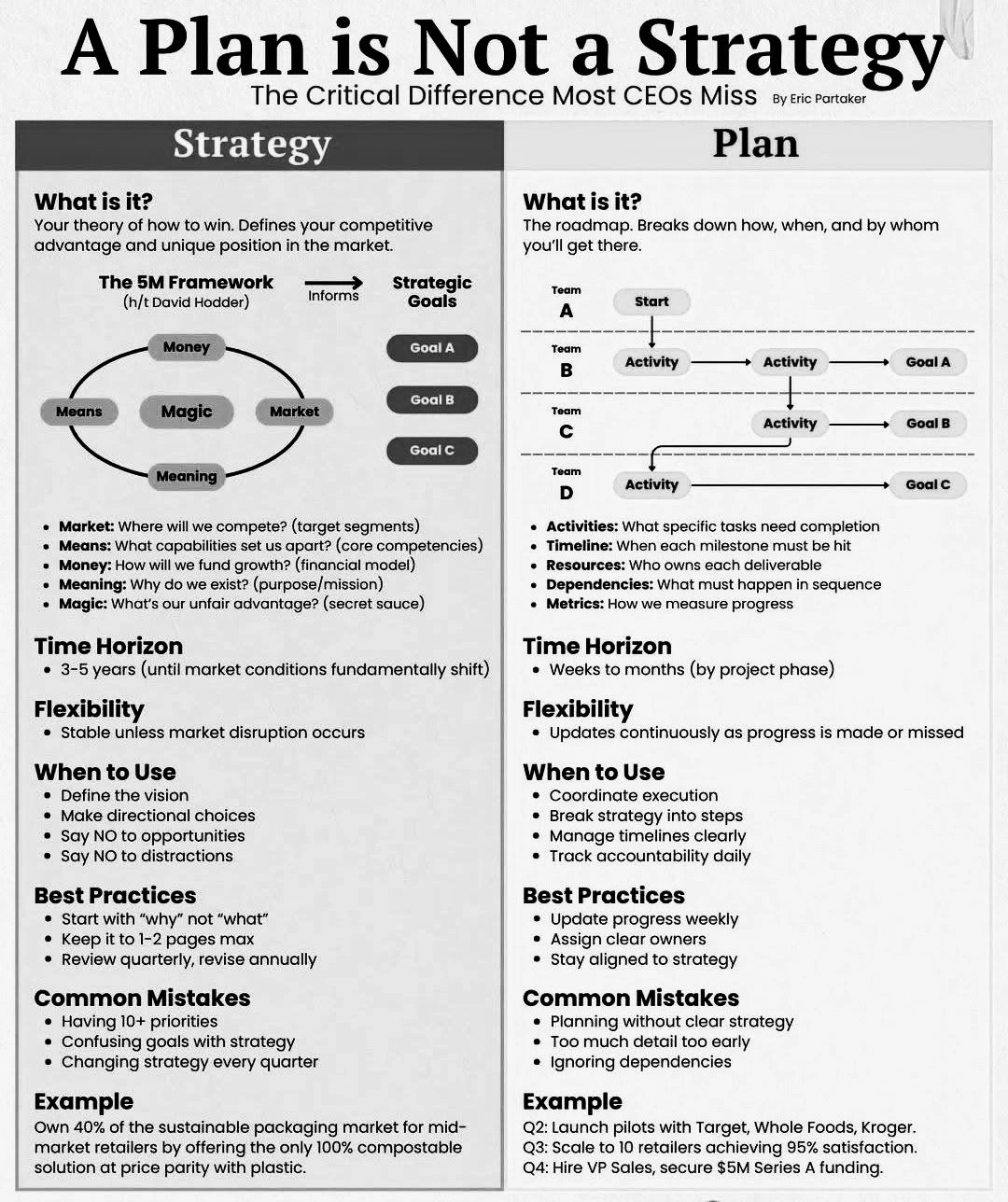
Operating Model / Strategy / Decisions
A domain-oriented operating model for a software consulting organization is a framework that structures the organization's operations and processes around specific industry domains or areas of expertise. It focuses on aligning the organization's capabilities, resources, and methodologies to effectively serve clients within those domains. Here are key components of a domain-oriented operating model for a software consulting organization:
Domain Expertise
The organization specializes in specific industry domains, such as healthcare, finance, retail, or manufacturing. It develops in-depth knowledge and expertise in the business processes, challenges, regulations, and technology landscape of those domains.
Talent Acquisition and Development
The organization recruits and develops consultants with domain-specific skills and knowledge. It invests in training and development programs to ensure consultants stay up to date with industry trends, technologies, and best practices.
Client Engagement
The organization engages with clients in a consultative manner, understanding their domain-specific needs, challenges, and goals. Consultants leverage their domain expertise to provide tailored solutions and insights that address client requirements effectively.
Solution Offerings
The organization develops specialized solution offerings that cater to the specific needs of clients within each domain. These solutions may include industry-specific software products, custom software development, system integration, data analytics, or process optimization services.
Methodologies and Frameworks
The organization adopts methodologies and frameworks that are tailored to the unique aspects of each domain. This ensures the delivery of efficient and effective solutions, leveraging industry-specific best practices and standards.
Knowledge Management
The organization establishes processes and systems to capture, organize, and disseminate domain-specific knowledge and expertise. This includes maintaining a knowledge base, conducting internal knowledge sharing sessions, and fostering a culture of continuous learning.
Partnerships and Alliances
The organization forms strategic partnerships and alliances with industry leaders, technology vendors, or domain experts. These partnerships provide access to additional resources, expertise, and technologies that complement the organization's domain-oriented capabilities.
Thought Leadership
The organization actively participates in industry forums, conferences, and publishes thought leadership content to establish itself as a trusted advisor and domain expert. This helps in building credibility, attracting new clients, and staying ahead of industry trends.
Governance and Quality Assurance
The organization implements governance processes and quality assurance measures specific to each domain. This ensures compliance with industry regulations, adherence to best practices, and delivery of high-quality solutions.
By adopting a domain-oriented operating model, a software consulting organization can differentiate itself from competitors, build deeper client relationships, and deliver more relevant and impactful solutions. It allows the organization to leverage its domain expertise to provide specialized services and become a trusted partner in the targeted industries.
- Focus
- granularity at every level
- accountability
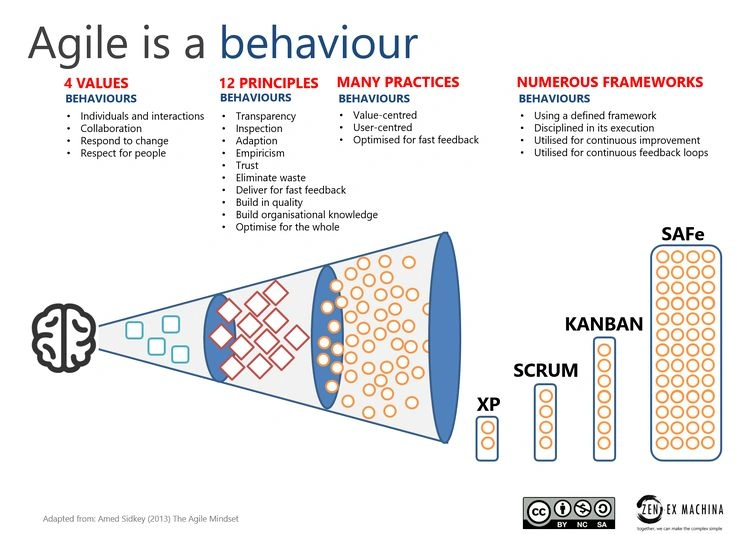
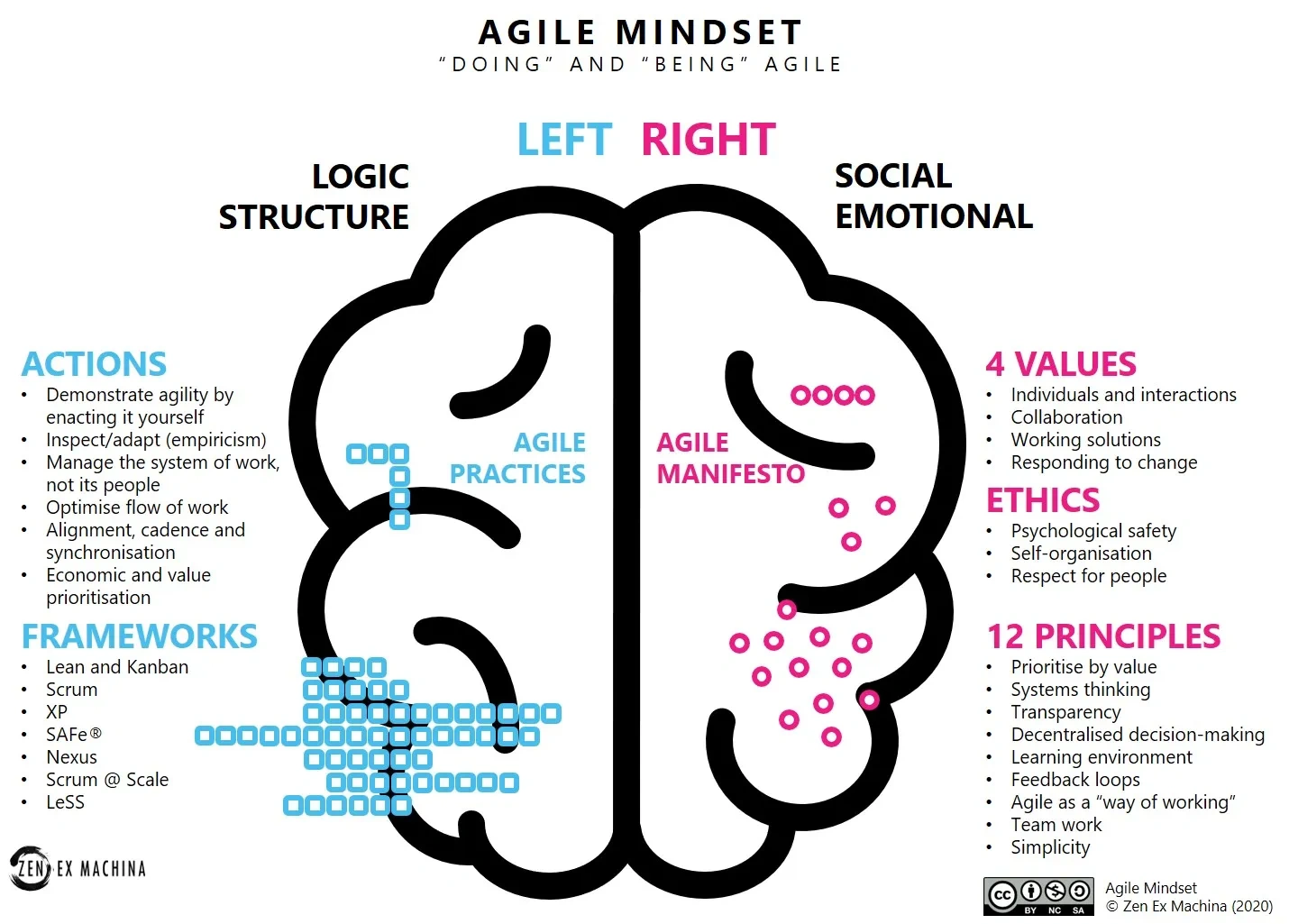
- Agility
- flatter organization > bring the right people together
- Expense Discipline
- expense management mindset as a continuous core responsibility, not a one-time event
US Small BUSINESS Administration
Worker Pay Structure
- Freelancer
- Seasonal
- Temporary
Principal Place of Business The principal place of business will be the main location in which the business they conduct is performed.
revenue share business model
Strategy
pricing strategy
Start with small clients
here's why:
- learning curve is less
- easier to sign up
- learning
- building portfolio
Planning
SEO Keywords
how to calculate freelance rates for web development
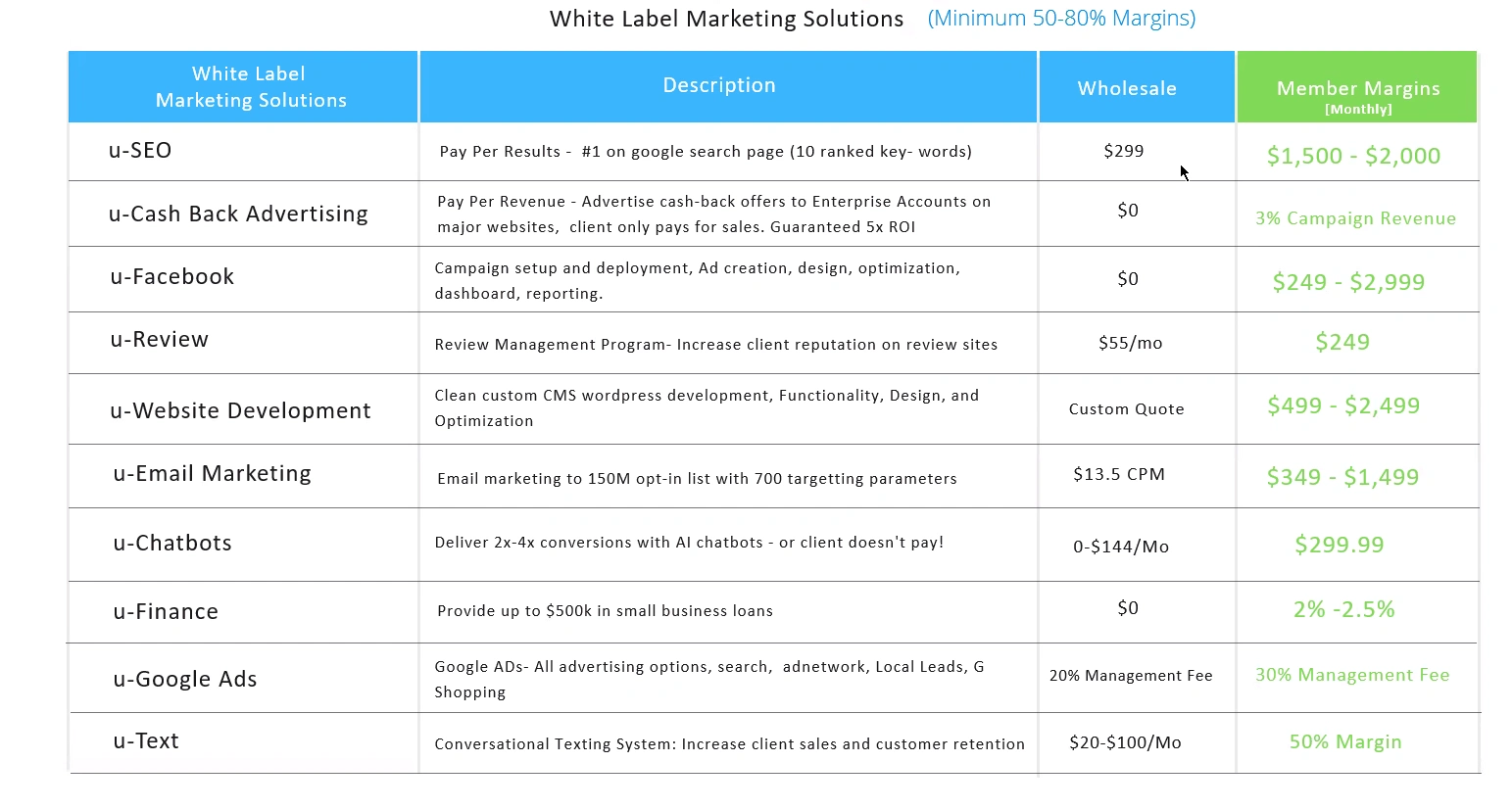
White Label Marketing
important questions to ask to make sure i'm getting a good developer tech stack of the project
don't give a hard deadline on tasks, first observe the new developer's pace, then plan sprints according to their capacity.
https://www.financestrategists.com/
Ads
google search facebook
Cloud / Server Costs
| Cloud | Cost |
|---|---|
| GCP | |
| AWS | |
| EC2 |
- Dev Account
- Read /write permissions
- Production vs dev tables
API keys
google maps
http://www.accountingweb.com/aa/law-and-enforcement/reciprocal-giving-ey-program-assists-startup-companies-motivates-employees https://strategyzer.com/
Productivity
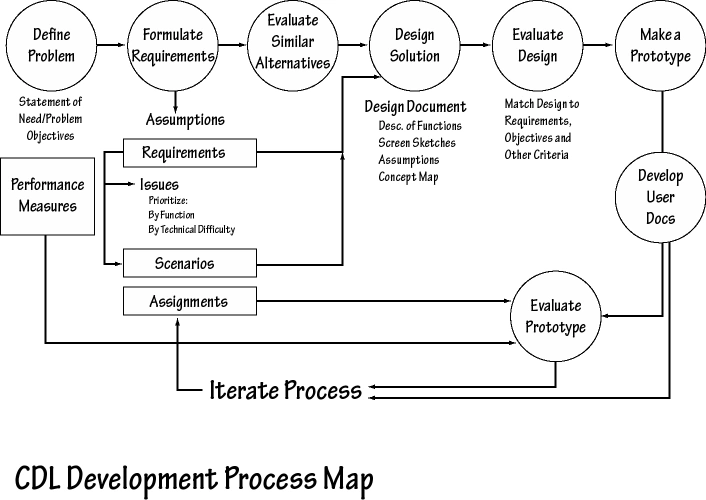
product or service plan
SMB websites
Key takeaway: For SMBs, Angular is your power tool, but you don’t need to bring a sledgehammer to hang a picture. By shifting to no-code for the majority of projects, you remove the “developer bottleneck” objection, while still using your UI/UX expertise to deliver results far above the average DIY site. If a client grows to need complex, bespoke web apps — then you pitch Angular or a custom stack.
the challenge of the small business web agency space: balancing software engineering pride (shiny object syndrome: bragging about cutting edge tech stacks ) with client expectations and operational scalability. Here’s the core of what’s going on: Business owners don’t care about Angular, React, or any tech buzzword — they care about “Can I change my content easily? Will it look professional? Will it bring me customers?” To them, Angular = “I’ll need a developer for every little change,” which means recurring cost and delay. In the SMB market, control & speed > technology sophistication. If they can get a decent, on-brand site that they or a junior staffer can update in minutes, that’s worth more than an advanced codebase.
Why no-code looks attractive to your clients. Platforms like Webflow, Wix Studio, Squarespace, and Shopify allow: Visual content updates without calling a dev, Built-in hosting, security, and responsive templates, Fast launch times — days or weeks, not months. From their perspective: If it looks as good as a corporate site, works reliably, and they can touch it without code, why pay for a code-heavy stack?
If you stay purely in custom Angular dev for small local clients: You’ll spend a lot of hours building features that no one truly values beyond the first launch. You create technical debt for yourself because every new feature/update is on your shoulders. You limit scalability — more clients means more maintenance, not more profits.
Instead of thinking “I’m abandoning engineering,” think: You’re selling design + conversion strategy + corporate polish, not just “code.” Use no-code as the delivery platform, but layer in your: Custom animations, layouts, and branding sophistication. Optimized UX flows (where most DIY sites fail). SEO & performance tuning. Integrations with marketing automation, analytics, or CRMs.
This gives you Faster delivery, Happier clients (who feel in control), Less ongoing maintenance burden, More capacity to serve 10–20 clients without burning out.
Key Impediments of Chasing New Tech Stacks:
- Feasibility: Newer tech may lack mature tooling, community support, or proven use cases in production environments.
- Scalability: A stack that works for a prototype or small user base might not scale efficiently in performance, cost, or team collaboration.
- Maintenance Burden: Cutting-edge frameworks evolve rapidly, leading to breaking changes and tech debt.
- Talent Availability: Hiring or training developers for niche or bleeding-edge tech can be difficult and expensive.
Example: SMB Website
- React (or Next.js, etc.): Great for dynamic, interactive UIs, but overkill for a static SMB site. It introduces build pipelines, hosting complexity, and dev overhead.
- Wix / Squarespace / Webflow: Low-code CMS platforms that offer fast deployment, built-in SEO, hosting, and maintenance—ideal for SMBs with limited dev resources and no need for custom backend logic.
Rule of Thumb:
Use the simplest tool that solves the problem effectively today and for the next 2–3 years.
Avoid the trap of optimizing for a future that may never come—especially when stakeholder needs are basic and time-to-market is critical.
Would you like a decision framework or checklist to help teams avoid this syndrome in early-stage projects?
It's important to carefully review the features and pricing of each service plan to determine which one is the best fit for your business needs.
Product or Service Offerings: The plan should clearly outline the products or services that the web development business will offer to its clients. This may include website design and development, e-commerce solutions, mobile app development, software development, and other related services.
Target Market: The plan should identify the target market for the products or services, including the specific industries or types of businesses that the web development business will focus on. This may include small businesses, startups, or larger enterprises.
Competitive Landscape: The plan should include an analysis of the competitive landscape, including the strengths and weaknesses of key competitors and how the web development business will differentiate itself from competitors.
Pricing Strategy: The plan should outline the pricing strategy for the products or services offered by the web development business. This may include hourly rates, fixed project fees, or retainer-based pricing models.
Sales and Marketing Strategy: The plan should include a sales and marketing strategy for promoting and selling the products or services offered by the web development business. This may include tactics such as online advertising, search engine optimization, content marketing, and social media marketing.
Delivery Model: The plan should outline the delivery model for the products or services offered by the web development business, including the process for delivering services, the tools and technologies used, and the timeline for completing projects.
Quality Assurance: The plan should include a quality assurance process for ensuring that the products or services offered by the web development business meet or exceed client expectations. This may include testing, bug fixing, and ongoing maintenance and support.
Overall, a product or service plan for a web development business should provide a clear and concise overview of the products or services offered, the target market, the competitive landscape, pricing strategy, sales and marketing strategy, delivery model, and quality assurance process. By having a well-defined product or service plan, web development businesses can increase their chances of success and make informed decisions about investment and growth opportunities.
Example A software service plan is a type of subscription plan that provides customers with access to a software application or platform. Here's an example of what a software service plan might include:
Basic Plan: This plan might include access to the software platform, basic customer support, and limited features or functionality.
Pro Plan: This plan might include all the features of the basic plan, plus additional features such as advanced reporting and analytics, integrations with other software tools, and priority customer support.
Enterprise Plan: This plan might include all the features of the Pro plan, plus custom development and integration options, dedicated account management, and 24/7 customer support.
Free Trial: Many software service plans offer a free trial period for new customers, which allows them to test out the software and decide if it's the right fit for their needs.
Pay-As-You-Go Plan: Some software service plans allow customers to pay for the service on a usage basis, with fees charged based on the number of users or the amount of data processed.
Annual Plan: Some software service plans offer discounts for customers who sign up for an annual plan, rather than paying on a monthly basis.
marketing agency service plan
carefully review the details to ensure that the services provided align with your business goals and budget.
Monthly Meetings: The marketing agency will schedule regular meetings with the client to review campaign performance, discuss new ideas, and make adjustments to the marketing strategy as needed.
Additional Services: Some marketing agency service plans may include additional services such as website design and development, search engine optimization (SEO), and public relations.
Business Description
We believe in the power of digital connectivity. BTM provides web development and digital marketing solutions for businesses. We empower people through software engineering to positively impact their bottom line
BTM Products & Services
BTM focuses on the technology needs of businesses
Sales Strategy Overview
- Retention -- 00:27
- Growth Rate -- 02:42
- CAC (Customer Acquisition Cost) -- 05:13
- Conversion -- 06:33
- LTV (Lifetime Value) -- 07:56
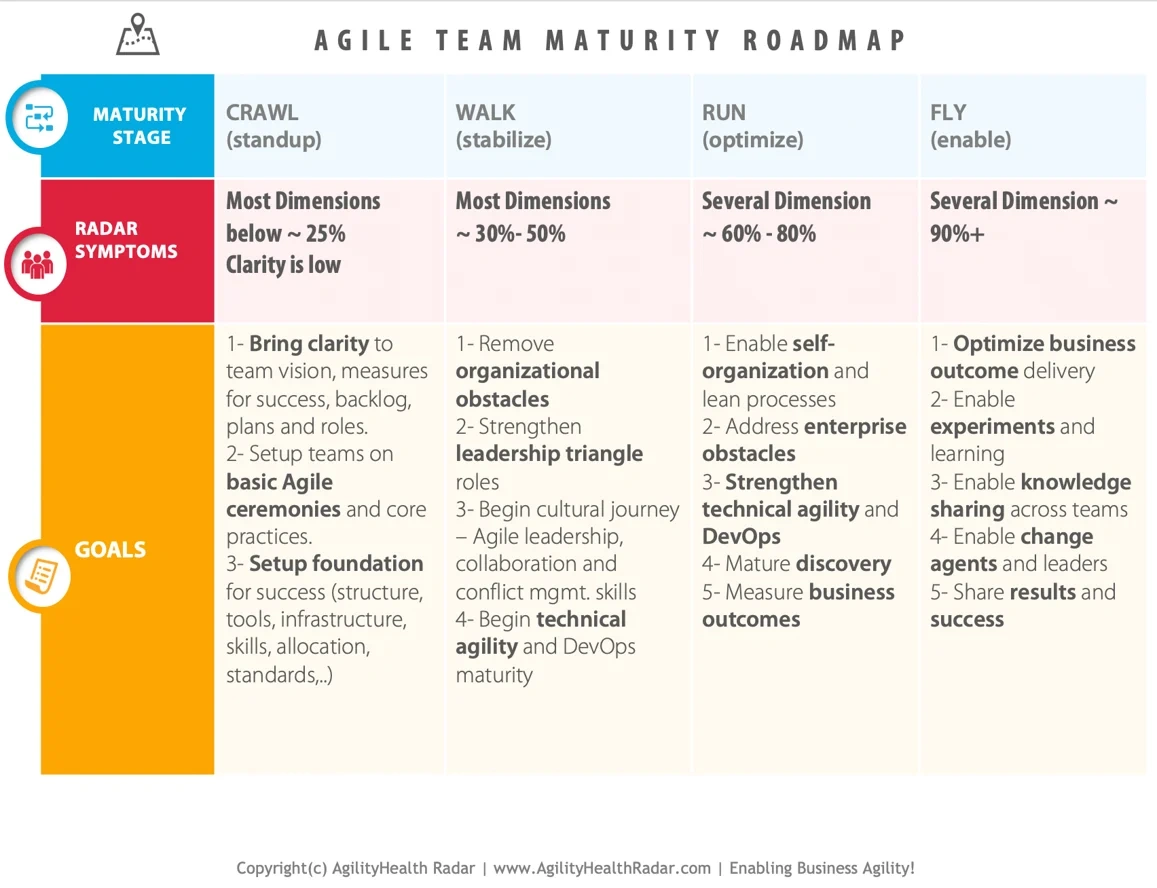
- identify high-impact and high-priority tasks
- Calendaring
- Accounting
- Email Marketing CRM
Work Breakdown Structure A Work Breakdown Structure (WBS) is a hierarchical decomposition of a project into smaller, more manageable components.