Core Values, Strategy, and Company Culture
The terms Core Values, Strategy, and Company Culture are all essential elements of a business plan, but they serve distinct purposes. They are interconnected, with core values often forming the foundation upon which strategy and culture are built.
Comparison and Contrast
The table below summarizes the comparison and contrast between these three critical components:
| Feature | Core Values | Strategy | Company Culture |
|---|---|---|---|
| Primary Focus | Guiding principles and beliefs | Long-term goals and plan for competition | Day-to-day behavior and work environment |
| Key Question | What do we believe? | How will we achieve our goals? | How do we behave/work? |
| Time Horizon | Timeless, enduring | Medium-to-Long-term (adapts regularly) | Evolves over time, relatively long-lasting |
| Formality | Formally documented (e.g., in a mission statement) | Formally documented (e.g., in the business plan) | Often unwritten, observed in actions and norms |
| Relationship | Informs both Strategy and Culture. | Directs the company's market approach. | Determines how Strategy is executed. |
Key Connections and Contrasts
- Core Values vs. Strategy: Core values are the "why"—the moral boundaries and drivers—while strategy is the "what" and "how"—the method to win in the market. A successful strategy must align with core values; for example, a value of Sustainability will directly influence product development and supply chain strategy.
- Core Values vs. Company Culture: Core values are the stated ideals (the roots of the tree), while culture is the lived reality (the trunk, branches, and fruit). A strong culture is one where the observable daily behaviors embody the stated core values.
- Strategy vs. Company Culture: Strategy is the intent (the plan on paper), but culture is the execution. As the famous quote often attributed to Peter Drucker says, "Culture eats strategy for breakfast," meaning a brilliant strategy will fail if the company culture is not aligned or motivated to execute it effectively.
🌟 Core Values
Core values are the fundamental, guiding principles and deeply held beliefs that dictate the company's behavior and decision-making, both internally and externally. They define what the company stands for and what is considered right versus wrong.
- Role in Business Plan: They are the moral compass and ethical standards of the business. They answer the question: "What do we believe?"
- Key Characteristics:
- Timeless: They are generally enduring and should not change with market conditions or short-term goals.
- Foundation: They are the bedrock for the company's identity and culture.
- Examples: Integrity, Customer Obsession, Innovation, Responsibility, Transparency.
Our Core Values
- Authenticity and Transparency
- honesty and integrity
Our team’s work ethic, passion, confidence, skills, and experience In a highly competitive field with a lot of churn from hustle culture burnouts. The founder, Abhi Ray, has strong leadership. He and the team constantly deliver high quality execution through effective time management and decision making. By applying what’s proven at big budget tech departments, like SAFe and SCRUM workflows, for our startup marketing agency. This approach has been successful at yielding positive results. A client happy with their website and their brand reaching all its technology goals
🤝 Company Culture
Company culture is the collective personality of the organization; the shared values, attitudes, beliefs, customs, and behaviors that govern how people interact and work every day. It is the "way things get done."
- Role in Business Plan: It is the social and psychological environment of the workplace. It answers the question: "How do we behave and operate in our daily work?"
- Key Characteristics:
- Lived Experience: It is the practical manifestation of the core values in day-to-day operations.
- Evolving: It develops organically over time, influenced by leadership, employee interactions, and practices, and can be intentionally shaped.
- Examples: A culture of open communication, a fast-paced and risk-taking environment, a collaborative and inclusive atmosphere, a hierarchical structure.
Our Company Culture
- People first
- exceed customer expectations
- Hard work is an essential ingredient in any recipe for success
🗺️ Strategy
Strategy is the long-term plan and roadmap that outlines how the company will achieve its business goals and objectives, often involving deliberate choices about where and how to compete.
- Role in Business Plan: It is the actionable blueprint for success. It answers the question: "How will we achieve our mission and goals?"
- Key Characteristics:
- Action-Oriented: It involves specific, planned actions, resource allocation, and market positioning.
- Adaptable: It changes over time in response to market shifts, competitive landscape, and internal performance.
- Examples: Focusing on cost leadership, entering a new market, developing a new product line, achieving a specific revenue target.
Our Strategy: Pillars of Our Plan
- structure
- remove complexity, embrace simplicity
- durable - organizational longevity and stamina
- presentation
- quality
- optimize
- efficiency
- productivity
- price perception
- differentiated value
- clarify decision making process
- does this align?
- transparency
| FROM | TO |
|---|---|
| siloed | collaborative |
| favoritism | meritocracy |
| tactics driven | values/purpose driven |
| paternalistic | empathetic |
| status quo | Continuous improvement |
Pragmatism
Pragmatism is a philosophical perspective that emphasizes practicality, effectiveness, and real-world solutions. In the context of a startup, pragmatism involves focusing on what works and what brings tangible results, rather than getting caught up in abstract theories or idealistic notions. A pragmatic approach can be highly beneficial for early-stage tech startups. By focusing on practicality, effectiveness, and real-world results, startups can make efficient use of their resources, develop products that meet customer needs, and adapt to market dynamics effectively.
Minimum Viable Product (MVP)
Pragmatism encourages startups to develop a minimum viable product—a basic version of their product or service that has enough features to meet the needs of early customers. By focusing on the core functionality and value proposition, startups can quickly test their ideas, gather feedback, and make necessary improvements without wasting time and resources on unnecessary features.
Iterative Development
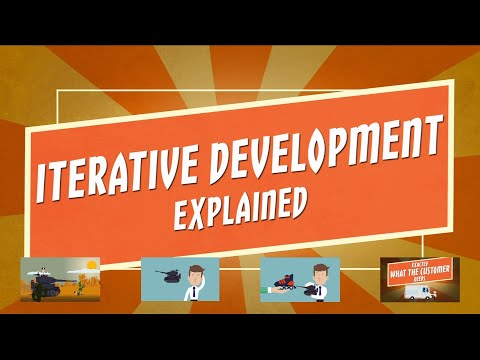
Pragmatism encourages startups to adopt an iterative approach to development. Rather than trying to build a perfect product from the start, pragmatism suggests releasing a basic version, gathering user feedback, and continuously improving and refining the product based on real-world usage and customer input. This allows startups to adapt to changing market conditions and customer needs effectively.
Lean Operations
Pragmatism promotes resource efficiency and effectiveness. Startups often have limited resources, especially in the early stages. By adopting lean practices and focusing on what's essential, startups can optimize their operations, reduce waste, and make the most of their available resources.
Customer-Centric Approach
Pragmatism emphasizes the importance of meeting customer needs and solving real-world problems. By taking a customer-centric approach, startups can prioritize their efforts based on customer feedback and market demand. This helps in developing products or services that are relevant, valuable, and have a higher chance of gaining traction in the market.
Data-Driven Decision Making
Pragmatism encourages startups to rely on data and evidence rather than assumptions or personal biases. By collecting and analyzing relevant data, startups can make informed decisions about product development, marketing strategies, and business operations. This data-driven approach helps in avoiding unnecessary risks and increasing the chances of success.

credibility
All business is human. All sales are human persuasion. All human persuasion is based on credibility. All credibility is limited to 5 things:
- Testimonies
- Expert interviews
- Emotional stories
- Factual opinions
- And of course: Numbers
- never be pushy with a prospect / lead
- Adaptability
- our customer's needs can change, our success will depend on how well we can pivot to provide solutions and services
- honesty, integrity, and transparency
- We won't ever engage in pushy tactics to close a sale
- Ambition
- We set lofty goals to drive us toward success
- Thorough, diligent
- We patiently review all work to guarantee its quality


Quick Stats
In Business for 4 years Projects created during that time:
- 2 Android/iOS Apps
- 7 Uniquely Branded Websites
- Over 30 Client Websites
as technology runs the organization, it becomes an IT company
Core Values
Here's how to explain the "Company Values" section of your business plan for use in public PR, such as on your "About Us" webpage:
1. Keep it Concise and Engaging
- Avoid Jargon: Use simple, everyday language that resonates with your target audience.
- Focus on Impact: Highlight how these values translate into benefits for customers (e.g., "We value transparency, so you'll always know exactly what you're paying for.")
- Use Storytelling: Weave your values into your company's origin story. For example, "Founded on the belief in sustainability, we strive to minimize our environmental impact..."
2. Choose Values That Truly Reflect Your Company Culture
- Authenticity is Key: Don't just list generic values. Select those that genuinely guide your decisions and actions.
- Actionable Values: Choose values that inspire specific behaviors (e.g., "Customer Focus" should lead to proactive customer support).
- Limit the Number: Focus on 3-5 core values to avoid overwhelming your audience.
3. Showcase How Values are Lived Out
- Provide Specific Examples:
- "Our commitment to innovation led us to develop [product/service]."
- "We support local charities because we value giving back to the community."
- "Employee well-being is paramount, so we offer flexible work arrangements."
- Employee Testimonials: Include short quotes from employees about how these values impact their work experience.
Example "Company Values" Section for a Website
Headline: "Our Guiding Principles"
At BUILD then MARKET, we believe in [Value 1], [Value 2], and [Value 3].
[Value 1] means we are always striving to [explain how it benefits customers/employees].
[Value 2] drives us to [explain how it manifests in daily operations].
[Value 3] ensures that [explain how it creates a positive impact].
We are proud to build a company that reflects these values in everything we do.
Key Considerations for PR/Website Use:
- Visual Appeal: Consider incorporating relevant imagery or icons to enhance the visual appeal of your values section.
- Regular Review: Periodically review and update your values to ensure they accurately reflect your evolving company culture.
- Consistency: Maintain consistency across all your marketing and communication channels (website, social media, etc.).
By presenting your company values in a clear, concise, and engaging manner, you'll build trust with your audience and demonstrate that you're more than just a business – you're a company with a purpose.