MARKET ANALYSIS
psychological biases that influence our purchasing decisions
Psychological Biases Shape Our Choices: The book highlights that our choices are not always as rational as we might think. Subtle changes in how products are positioned, promoted, and marketed can significantly impact customer behavior
Market Forecast
- Low-code/ no-code solutions have the potential to reduce the development time by 90%. (Redhat)
- The global low-code development platform market is predicted to generate a revenue of $187 billion by 2030, rising from $10 billion in 2019, and is expected to advance at a fast pace, 31% CAGR, during the forecast period. (GlobeNewswire)
- Nearly 60% of all custom apps are now built outside the IT department. Of those, 30% are built by employees with either limited or no technical development skills. (451 Research)
-
- 40% of companies state AI technologies and expertise are too expensive. (Deloitte)
Can’t Be “All Things to All People”
- Limited Resources to Market Offerings
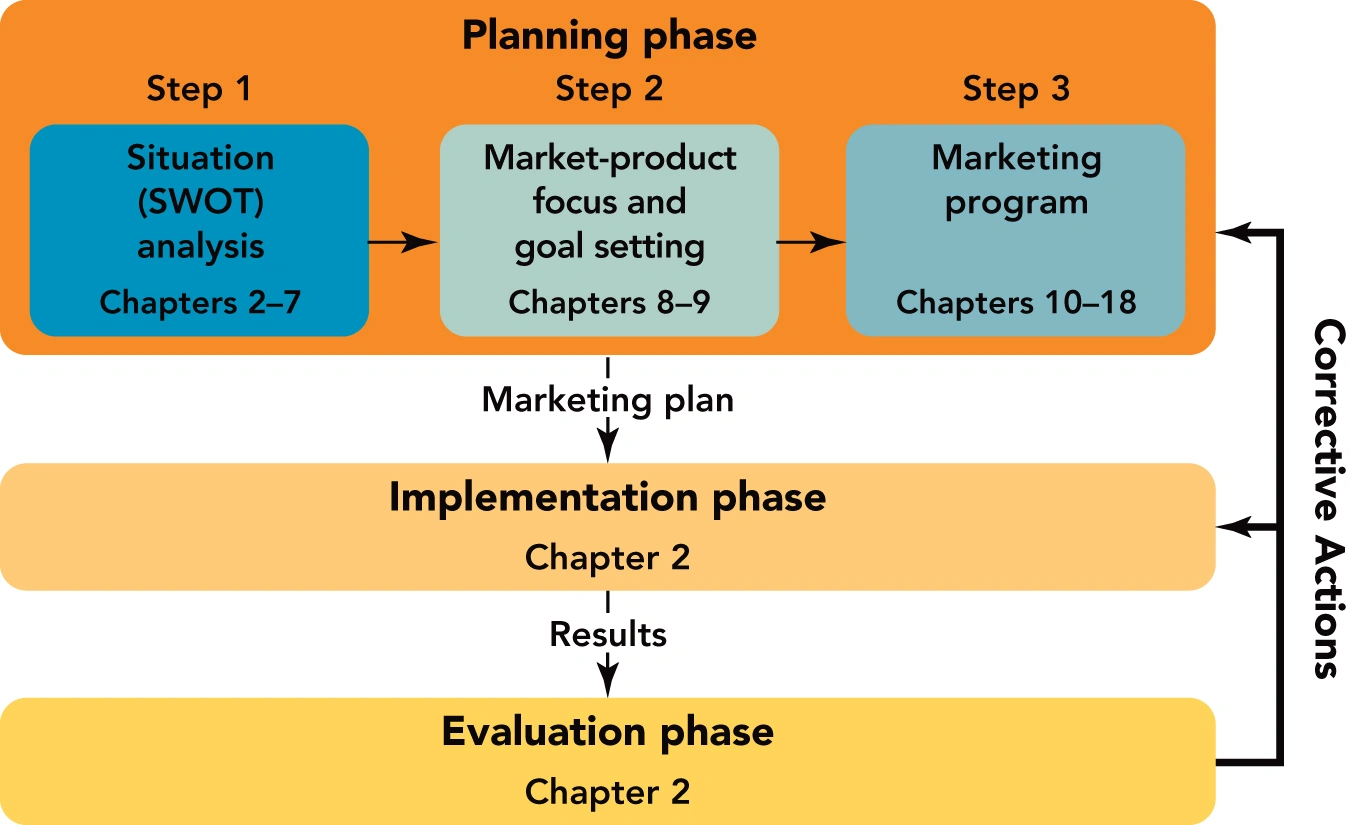
1. Market Analysis
- Research and understanding of your target customers, competitors, and industry trends.
- Identifies customer needs and pain points, including what tech stacks or solutions clients prefer.
3. Product Strategy or Service Offering
- Details about what exactly you will deliver --- your tech stack, features, pricing tiers, and packages.
- This is where you justify why you picked Webflow or Wix and your pricing model based on market demands.
6. Competitive Analysis
- Compares your offering and pricing against competitors, including custom dev shops and other no-code providers.
Product Market Fit
- Market Analysis
- Product/Service Offering
- Pricing & Business Model
1. Market Analysis
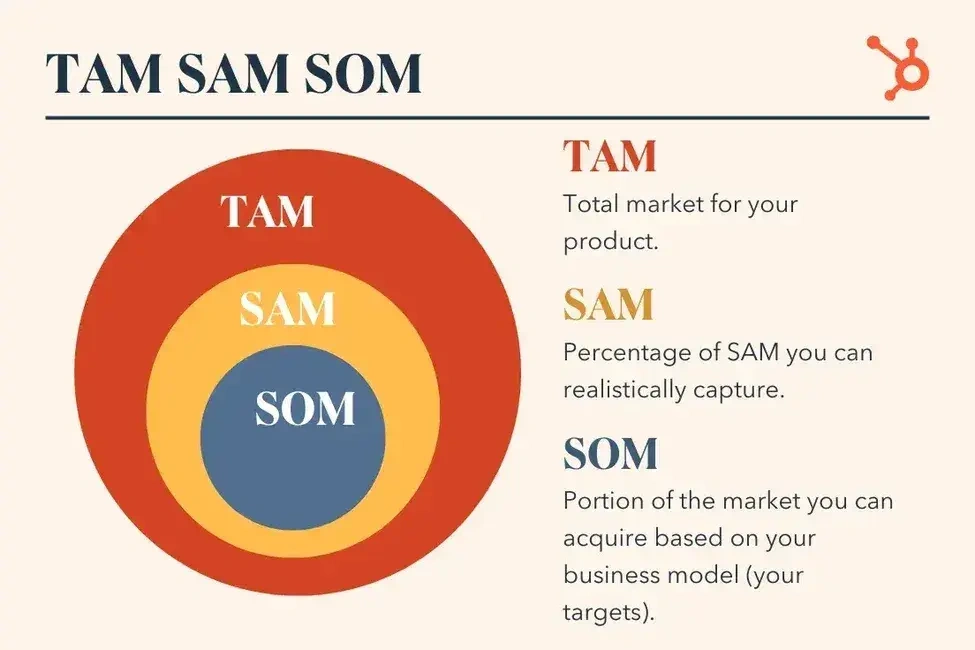
Target Market: Small and local businesses seeking professional, affordable websites that are easy to maintain without developer bottlenecks. These clients typically have limited budgets ($1,000--$5,000) and prioritize fast turnaround and content self-management.
Market Trends:
- Increasing SMB adoption of no-code/low-code platforms (Webflow, Wix) for cost-effective website solutions.
- Growing awareness that traditional custom development (Angular/React) is expensive, time-consuming, and creates ongoing dependency on developers.
- Demand for scalable yet easy-to-update websites that deliver corporate-level design and user experience.
Competitors:
- Low-cost local freelancers/agencies offering basic static sites on Wix/Squarespace.
- Larger dev agencies proposing costly custom builds ($50K+), out of reach for most SMBs.
- DIY SMB owners using templated sites but often frustrated by poor design or lack of polish.
top SMB website tech stacks
including all major CMSs, website builders, e-commerce platforms, and custom frameworks used by small and medium businesses. This covers more segments you might be missing, with approximate market share estimates for 2024--2025:
SMB & e-commerce Clients
- 50% of the market
looking for:
- quick
- low-cost marketing
- scalable CMS
- some custom design
sites → Wix, Squarespace, Webflow, Shopify
High-budget SMBs
Custom apps → React/Angular
- represent a smaller but important segment, mainly for SMBs with complex needs and bigger budgets.
Website Tech Stack Market Share
ONLY Websites Using No-Code Builders
| Platform | Approximate Market Share | Notes |
|---|---|---|
| Wix | ~45% | Largest no-code website builder by user base and sites. |
| Squarespace | ~25% | Popular for creatives & SMBs with strong templates. |
| Weebly | ~10% | Owned by Square (Block), popular for simple e-commerce. |
| Webflow | ~7–8% | Growing fast among design-savvy users and agencies. |
| Shopify | ~7–8% | Leading e-commerce focused platform with some no-code features. |
| GoDaddy Websites + Marketing | ~3% | Small business focused, integrates marketing tools. |
| Framer | <1% | Niche, mostly startups & landing pages. |
Websites Worldwide
| Platform | Approximate Market Share | Notes |
|---|---|---|
| WordPress | ~43% (CMS market share >65%) | Dominates CMS market; powers ~43% of all websites globally. Huge ecosystem but requires more maintenance. |
| Wix | ~3.5% | Popular for ease of use and fast site creation. Strong growth in SMB market. |
| Squarespace | ~2.7% | Popular for creative professionals and small businesses with stylish templates. |
| Webflow | ~0.4% | Rapidly growing among designers and agencies, especially for no-code/low-code custom designs. |
| Framer | <0.1% | Newer and niche, mostly used for landing pages and startups. |
All Websites
| Platform / Tech Stack | Approximate SMB Market Share | Notes & Segment Focus |
|---|---|---|
| WordPress (with plugins) | ~40% | The dominant CMS for SMBs; highly flexible but needs maintenance. |
| Wix (including Wix Studio) | ~20% | Leading no-code builder for SMBs with all-in-one hosting and tools. |
| Squarespace | ~10% | Popular for creatives and SMBs wanting polished templates. |
| Shopify | ~8% | The top e-commerce platform for SMBs, with marketing page features. |
| Weebly | ~5% | Simple builder with e-commerce integration; owned by Block (Square). |
| Webflow | ~3% | Fast-growing no-code/low-code platform for design-savvy SMBs and agencies. |
| Joomla | ~1% | Traditional CMS with some SMB usage, less popular than WordPress. |
| Drupal | ~1% | More enterprise-focused but used by SMBs with complex needs. |
| BigCommerce | ~1% | SaaS e-commerce platform targeting SMBs competing with Shopify. |
| Magento (Adobe Commerce) | <1% | Open-source e-commerce platform, often used by larger SMBs with dev resources. |
| Custom React / Angular / Vue | ~3% | SMBs with bigger budgets building custom web apps and portals. |
| Ghost | <1% | Niche CMS focused on blogging and membership sites, growing slowly. |
| Other (including TYPO3, Sitecore, Squarespace alternatives) | ~3% | Various smaller CMS, custom platforms, and legacy systems. |
Additional Notes
- WordPress + WooCommerce is often a combined tech stack for SMB e-commerce, boosting WordPress's share in commerce.
- No-code/low-code builders (Wix, Squarespace, Webflow, Weebly, Duda) make up about 40--50% of the SMB web space, favored for ease of use and fast deployment.
- Shopify and BigCommerce dominate SMB e-commerce but also serve marketing sites.
- Custom frameworks (React, Angular, Vue) represent a smaller but important segment, mainly for SMBs with complex needs and bigger budgets.
- Joomla and Drupal have declined in popularity but still maintain niche SMB users.
- Platforms like Ghost and Duda cater to specific niches like bloggers or agencies, but with small overall market share.
client segmentation map
SMB Client Segmentation by Website Tech Stack & Needs
| Client Type | Typical Needs & Priorities | Recommended Tech Stack(s) | Pricing & Approach |
|---|---|---|---|
| 1. Basic Local Business | Simple, clean online presence, low budget, minimal ongoing maintenance | Wix, Squarespace, Weebly | $1,000--$3,000 fixed price, mostly no-code setup, quick turnaround |
| 2. Creative Professionals / Portfolios | Stylish templates, image/video focused, easy updates | Squarespace, Webflow, Wix Studio | $2,000--$5,000 with custom designs, leverage Webflow for polish |
| 3. Content-Rich Small Businesses | Blog, news, frequent content updates, SEO | WordPress (CMS), Webflow | $3,000--$8,000; WordPress for scale, Webflow for design control |
| 4. SMBs with Moderate E-commerce | Online store, inventory management, marketing integration | Shopify, WooCommerce (WordPress), BigCommerce | $5,000--$20,000+ depending on catalog and features |
| 5. SMBs Needing Scalable Marketing Sites + CMS | Moderate content, lead gen forms, CRM integrations | Webflow, WordPress, Wix Studio | $3,000--$10,000; focus on CMS ease-of-use + design quality |
| 6. Tech-Savvy SMBs / Startups | Custom web apps, dashboards, APIs, integrations | Custom React / Angular / Vue | $50,000+; long timeline, ongoing dev & maintenance contracts |
| 7. Agencies & White Label Resellers | Multi-client management, brandable templates | Duda, Webflow Agency Plan | Varies; focus on scalable template-based projects |
3. Product / Service Offering
- Starter Package ($1,500): Custom-designed 5-page website with up to 8 content sections per page, responsive design, basic CMS for easy content updates, SEO optimization, and 1 year of support.
- Growth Package ($3,000): Expanded 10-page website with advanced animations, full CMS setup, blog or portfolio features, SEO + analytics integration, and premium 1-year support with content updates and small feature changes.
- Technology Stack: Primary development on Webflow for precision design and client handoff. Secondary option of Wix Studio for rapid visual builds and animation-heavy projects. No PHP or WordPress unless client requirements explicitly demand it.
BTM Web Dev Services
4. Pricing & Business Model
- Fixed-price project packages with clearly scoped deliverables to avoid scope creep.
- Annual hosting and CMS fees charged to clients directly (via platform subscriptions).
- Optional monthly maintenance/retainer packages for ongoing updates beyond included support hours.
- Upsell opportunities: SEO audits, content strategy consulting, marketing automation integration.
How to Use This Map
- Qualify leads by identifying where their needs and budget fall in this matrix.
- Position your $1,500--$3,000 Webflow/Wix builds clearly in segments 1--3 for fast wins.
- Upsell to segment 5 by emphasizing scalability and reduced future redesign.
- Know when to refer or partner on segments 4 and 6 if out of your scope.
- For agencies or freelancers working with other agencies, Duda or Webflow Agency Plans are great to scale template production.
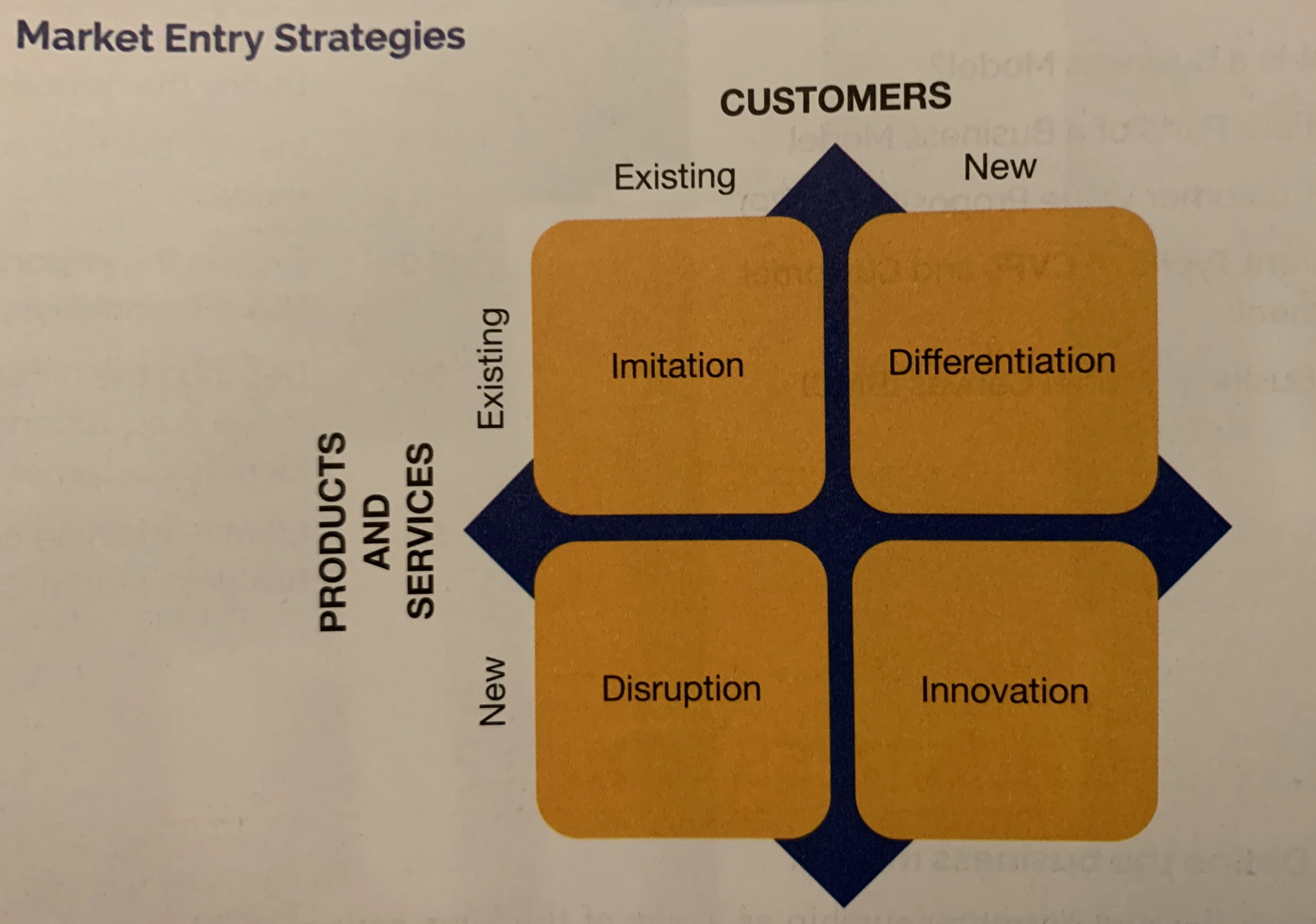
Market Entry Strategy: A plan detailing how to launch and establish your business in the target market, including initial customer acquisition tactics, competitive positioning, launch timeline, and methods to gain market share.