4 P's of the Marketing Mix

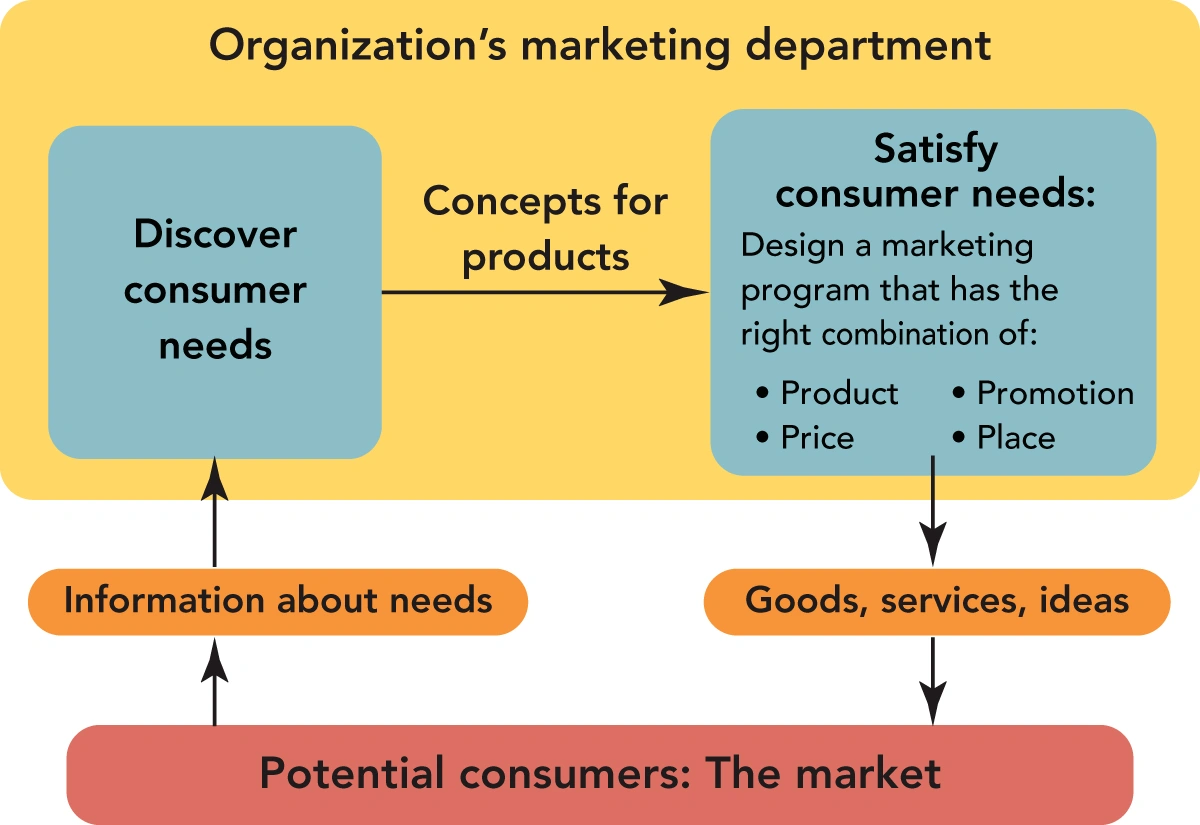
The marketing mix factors are the set of controllable, tactical marketing tools—Product, Price, Place, and Promotion—that you, as the marketer, can use to produce the response you want in your target market.
1. ⚙️ Product Strategy (Service Offering)
For a consultancy, your "product" is an intangible service offering, defined by the features, quality, and benefits you deliver.
- Focus & Quality: Your service should be highly specialized. Given your focus, this means clearly articulating and guaranteeing:
- Design Marketing: E.g., creating high-converting, user-centric (UX-focused) marketing assets and campaigns, or executing a brand's digital presence pivot.
- Software Development: E.g., developing bespoke MVPs (Minimum Viable Products), integrating specific API services, or providing specialized legacy system modernization.
- Agile Integration: The SCRUM and SAFe principles are a core part of your service quality and differentiation. Highlight how these processes provide the benefit of faster iteration, predictable delivery (via sprints/Program Increments), and client-centric flexibility, which is a massive value proposition for SMBs.
- Extended Services: Consider your service tiers: fixed-price projects, retainer-based consulting, or fractional CTO/CMO services.
2. 💲 Price Strategy (Value Proposition)
Value Strategies: Best Price or Best Product/Service?
Pricing for a service must reflect its perceived value, complexity, and the results (ROI) delivered, not just the hours worked.
- Value-Based Pricing: Move beyond simple hourly rates. Your price should be proportional to the business outcomes you enable (e.g., increased conversion rates from design, or cost savings from efficient software).
- Pricing Models: Offer a mix of options suitable for SMBs:
- Fixed-Price/Scope: For well-defined, smaller SCRUM Sprints (e.g., a "Discovery Phase" or "Landing Page Redesign").
- Tiered Packages: Based on the scope of support (e.g., "Basic Development Support," "Growth Marketing & Dev Package").
- Retainer: For ongoing maintenance, feature development, or strategic consulting, aligning with a continuous agile roadmap.
- Competitive Positioning: Analyze the prices of local/niche consulting firms and highlight your unique value as a solo developer—often signifying lower overhead, direct senior expertise, and greater agility than larger agencies.
3. 🌐 Place Strategy (Distribution/Access)
"Place" refers to where and how your service is delivered and where your clients purchase it. For a consultancy, this is predominantly digital and virtual.
- Digital Presence: Your primary "storefront" is your online consultancy platform (your website). It must clearly communicate your service offerings, expertise, and agile methodology.
- Distribution Channel: Your primary channel is direct sales via your website's "Book a Consultation" or "Project Discovery Session" CTA, followed by a personalized proposal.
- Strategic Visibility: This involves being "present" where your target SMB owners and tech leaders seek solutions:
- LinkedIn: Your professional network and content distribution hub.
- Niche Marketplaces: Specific platforms for hiring freelance/consulting developers or designers.
- Virtual Ecosystems: SaaS partner directories or industry-specific online forums.
4. 📣 Promotion Strategy (Communication Strategy)
Promotion covers all the activities you undertake to communicate the merits of your service and persuade customers to engage.
- Content Marketing (Inbound): Create high-value content (blogs, case studies) demonstrating your expertise in both design-marketing and software development, particularly focusing on agile adoption for small businesses. Case studies showcasing successful SCRUM/SAFe project execution are crucial.
- Digital Advertising: Targeted ads on platforms like LinkedIn to reach specific roles (e.g., VPs of Product, small business CEOs) with highly focused messages about solving their specific problems (e.g., "Stop Wasting Budget on Waterfall Development—Switch to Agile").
- Public Relations/Networking: As a solo developer, your personal brand is key. Present at virtual industry events, contribute to relevant publications, and focus on generating positive testimonials and referrals.
- Sales Enablement: Your proposal process and discovery calls should clearly articulate your agile value, acting as a direct promotional tool that converts qualified leads.
This video provides a foundational overview of how the 4 P's apply to service businesses, which is relevant for a design and software development consultancy. PRODUCT LAUNCH - 4Ps & 7Ps Of Marketing Mix
⚙️ 6. Marketing Mix (The 7 P's)
The Marketing Mix is your set of controllable, tactical levers. For a service-based firm like a digital marketing studio, adopting the extended 7 P's is crucial as it addresses the intangible nature of services.
Shutterstock
Explore
Core 4 P's (Product/Service Focus)
| P | Component | Service-Based Context (Digital Marketing Studio) |
|---|---|---|
| Product | What you offer to meet a need. | Intangible Service: Defining clear scopes for your services (e.g., 'Retainer-based SEO & Content Strategy,' 'Custom React Application Development,' or 'Agile Sprint Team Augmentation'). Focus on features (speed, technology stack) and benefits (ROI, lead quality, conversion rate). |
| Price | The monetary cost of the product/service. | Pricing Model: Choosing between tiered SaaS subscriptions, value-based pricing, hourly rates, or fixed-fee project models. Must reflect the perceived value and the quality of your talent/expertise. |
| Place | Where and how the customer accesses your offering. | Distribution/Access: Primarily digital, including your own website (as a showcase/funnel), online marketplaces (e.g., Clutch, Upwork for vetting), and strategic partnerships (agencies, consultancies). Accessibility and a seamless digital experience are key. |
| Promotion | The communication of value to the customer. | MarComms: Integrating digital channels---SEO, Content Marketing (thought leadership), PPC, Social Media, and Case Studies (demonstrating value/results). The message must be consistent and highly targeted to your ICP. |
Extended 3 P's (Service Delivery Focus)
| P | Component | Service-Based Context (Digital Marketing Studio) |
|---|---|---|
| People | All personnel involved in the delivery. | Human Capital: Your front-end developers, designers, project managers, and digital strategists. Focus on training, expertise (certifications), communication skills, and brand alignment. Your team is your product. |
| --- | --- | --- |
| Process | The procedures and flow of service delivery. | Workflow: The customer journey from lead generation to service delivery and ongoing support. This includes your agile methodology (sprints, stand-ups), client onboarding flow, invoicing systems, and transparent reporting process---all designed for efficiency and client trust. |
| Physical Evidence | Tangible cues that reinforce service quality. | Digital & Verbal Cues: While services are intangible, evidence includes your professional website/UI/UX, well-documented case studies, customer testimonials/reviews, consistent branding across all platforms, and the quality of your proposals/contracts. |
You'll need to continuously refine how each of these 7 P's aligns to maintain your competitive edge in the digital service market.