Email Blast Campaign Plan for a Tech Startup
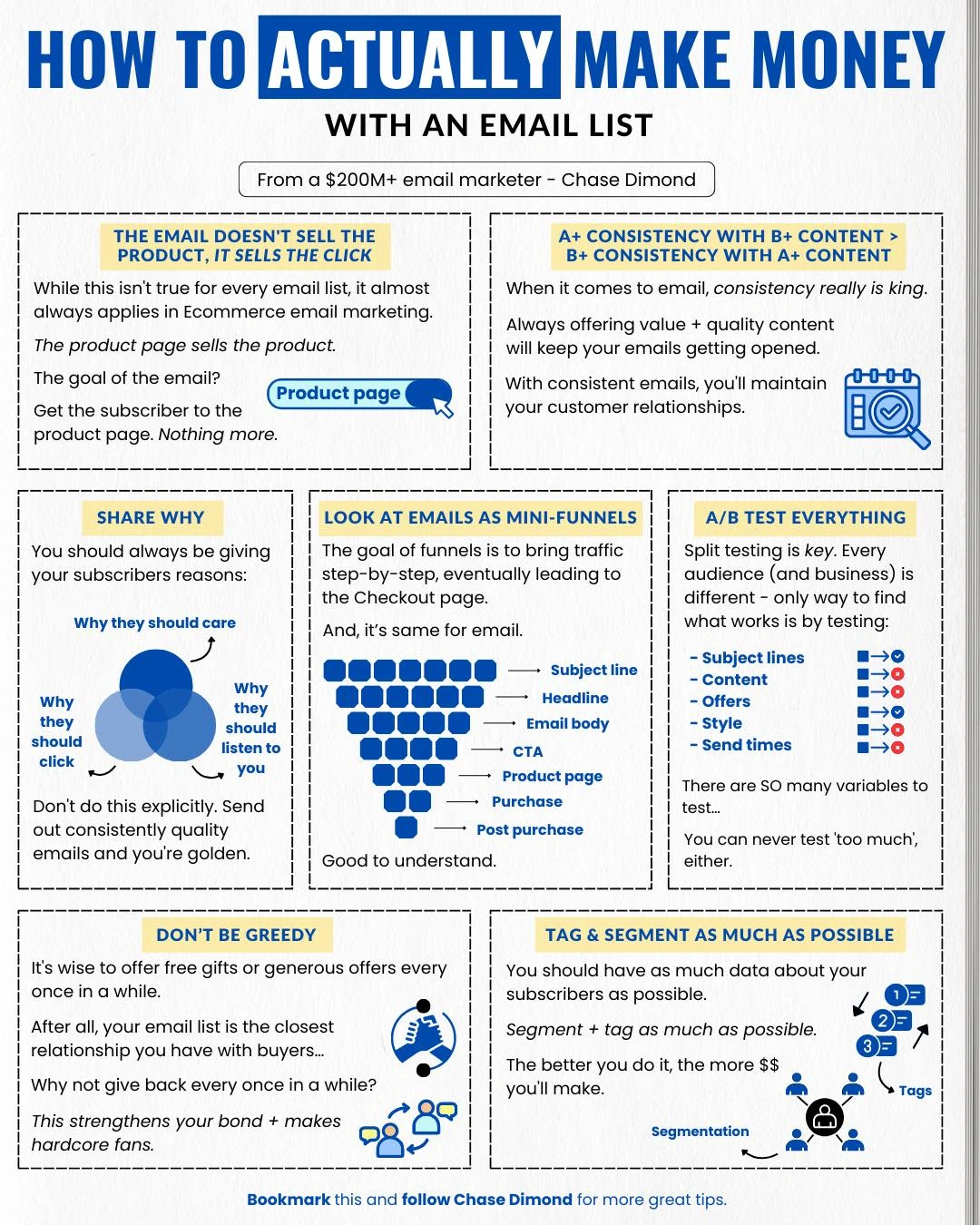
Leverage email blasts to drive awareness, generate leads, and nurture relationships with small business owners for a startup offering digital marketing and software engineering solutions.
Strategy Overview
- Target Audience: Small business owners, entrepreneurs, and decision-makers interested in affordable, user-friendly digital marketing tools or software solutions.
- Goals: Achieve a 20% open rate, 5% click-through rate, and 50+ qualified leads per campaign.
- Frequency: 1-2 email blasts per month to avoid overwhelming subscribers.
Action Plan
1. Audience Segmentation and List Building (Ongoing)
- Segment Lists:
- Prospects: Small business owners from trade shows, website sign-ups, or X interactions.
- Existing Customers: Users of the startup's software or marketing tools.
- Industry Partners: Local chambers, tech collaborators, or influencers.
- List Growth:
- Add opt-in forms on the website, blog, and landing pages.
- Offer lead magnets (e.g., "Free Guide: 5 Marketing Hacks for Small Businesses").
- Collect emails at trade shows or webinars with clear consent.
- Compliance: Ensure GDPR/CCPA compliance with opt-in confirmations and unsubscribe options.
2. Content Development (2-3 Weeks per Campaign)
- Email Types:
- Promotional: Announce new features, discounts, or free trials (e.g., "Try Our AI Marketing Tool Free for 30 Days").
- Educational: Share tips or case studies (e.g., "How Our Software Doubled a Retailer's Leads").
- Event-Based: Invite to webinars, demos, or trade show booths.
- Structure:
- Subject Line: Clear, compelling (e.g., "Boost Your Sales with Our New Marketing Tool").
- Body: Short (150-300 words), with a single call-to-action (CTA) like "Sign Up Now" or "Book a Demo."
- Visuals: Use branded graphics or screenshots of software/marketing dashboards.
- Personalization: Include recipient's name or business type where possible.
- Tools: Use Canva for visuals, Grammarly for editing, and templates from Mailchimp or HubSpot.
3. Campaign Execution (1 Week per Blast)
- Platform: Use email marketing tools like Mailchimp, Constant Contact, or SendGrid for automation and tracking.
- Timing: Send emails Tuesday or Wednesday mornings (8-10 AM) for optimal open rates.
- A/B Testing: Test subject lines, CTAs, or send times to optimize performance.
- Preview: Test emails across devices (desktop, mobile) to ensure compatibility.
4. Promotion and Integration
- Cross-Channel Amplification: Share email content snippets on X or LinkedIn to drive sign-ups.
- Example X post: "Small businesses, struggling with marketing? Our latest guide shares 5 easy tips to grow your brand. Join our email list! [link] #SmallBiz"
- Integration: Align email blasts with website landing pages, blog posts, or paid ads for consistent messaging.
- Follow-Ups: Send a follow-up email to non-openers after 3-5 days.
5. Measurement and Optimization (Weekly/Monthly)
- Track Metrics:
- Open rates, click-through rates, and conversions (via Mailchimp or Google Analytics).
- Lead quality (via CRM like HubSpot or Salesforce).
- Unsubscribe rates to gauge audience relevance.
- Optimize: Refine subject lines, content, or segments based on performance.
- Feedback: Monitor replies or X mentions to assess sentiment and address concerns.
Tools and Resources
- Email Platforms: Mailchimp, Constant Contact, or HubSpot for sending and tracking.
- Analytics: Google Analytics for website traffic; CRM for lead tracking.
- Design: Canva for visuals; Litmus for email testing.
- List Management: ZeroBounce or NeverBounce for email validation.
Key Considerations
- Budget: Use free or low-cost platforms like Mailchimp's free tier for small lists.
- Relevance: Tailor content to small business needs (e.g., affordability, ease of use).
- Engagement: Avoid spammy tactics; focus on value-driven content.
- Compliance: Include clear unsubscribe links and adhere to anti-spam laws.