Project Scope And Requirements
Project Charter
A project charter outlines key project elements and acts as a foundation for planning and execution.
- Provides direction for the project
- Aligns stakeholders on goals and objectives
- Prevents miscommunication
- Serves as a lifecycle reference point
Core Sections
- Project title
- Project purpose
- Objectives
- Scope
- Stakeholders
- Roles and responsibilities
- Deliverables
- High-level requirements
- Timeline
- Budget
- Risks, assumptions, and constraints
- Success criteria
- Approval and sign-off
Project Scope Statement
A scope statement defines project boundaries and deliverables in detail.
What is included
- Deliverables, features, functions, and characteristics of the product/service
What is excluded
- Explicit out-of-scope items to prevent scope creep
Scope statement components
- In-scope and out-of-scope
- Deliverables
- Acceptance criteria
- Constraints
- Assumptions
- High-level work breakdown
Reference: How to write project scope in software development
Scope of Work vs Project Scope Statement
- Scope of Work (SOW): Primarily client-facing and contractual; focused on milestones, deliverables, and payment-linked acceptance criteria.
- Project Scope Statement: Primarily internal project baseline; includes exclusions, assumptions, and constraints for execution control.
Why both matter
- SOW supports legal and commercial alignment
- Scope statement supports operational execution and scope control
Requirements Gathering / Needs Analysis

Requirements gathering flow
- Identify stakeholders
- Conduct user research
- Define project scope
- Create user stories
- Prioritize requirements (e.g., MoSCoW)
- Document requirements
- Validate requirements with stakeholders
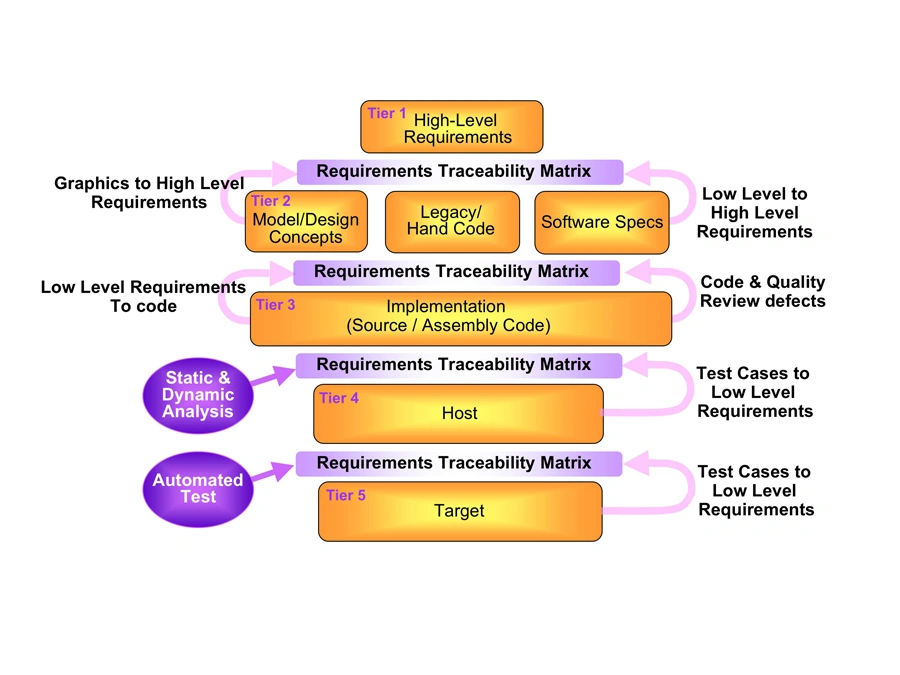
Scope statement checklist
- purpose and justification
- boundaries and constraints
- strategy
- deliverables
- acceptance criteria
- assumptions
- cost estimates
- cost-benefit analysis
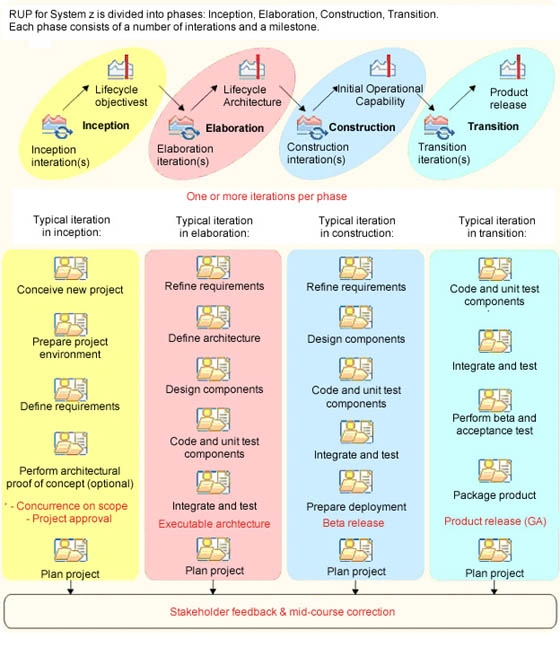
Uncover, Recap, Assure
- Uncover: Ask focused follow-up questions to identify primary business need.
- Recap: Confirm understanding of customer concerns.
- Assure: Present the proposed solution path.
Resource: Website brief template
Use Case Studies
Use case studies before design prototyping help determine app features.
Common product management use cases
- User onboarding
- Registration options
- Personalization prompts
- Guided tutorial
- Music discovery
- Recommendation engine
- Curated playlists
- Advanced search
- Social sharing
- Social platform sharing
- In-app recommendation sharing
- Collaborative playlists
Example metrics
- onboarding completion and first-week retention
- engagement with recommendations
- user-generated sharing activity